




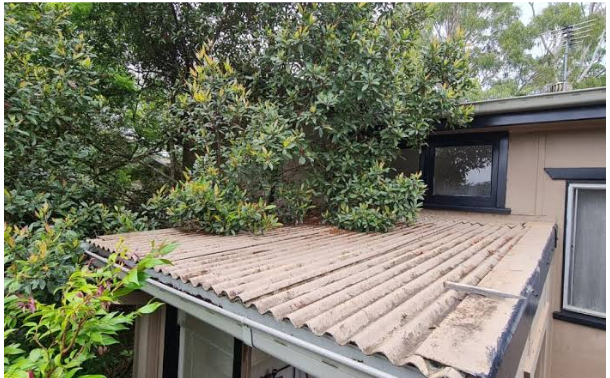
The Cost of Uncertainty: Managing Suspected Asbestos in Commercial Premises
Every older commercial building seems to have one. A patch of ceiling tiles in the back office, maybe, or the grey sheeting along one wall of the plant room. Someone decided years ago it was “probably fine”, nobody ever checked, and now everyone just walks around it.
Leaving it alone feels like the careful thing to do. But not knowing usually costs more than finding out would have, and the costs tend to hide in odd places.
Let’s walk through where that uncertainty costs you, how to identify asbestos in your building, and what to do once you know.
Why “Suspected” Is an Expensive Place to Stay
Here’s the problem. If something might be asbestos, everyone has to treat it like it is. Good for safety. Not so good for the budget.
Contractors price in extra precautions without telling you. Maintenance gets put off, because no one wants to be the person who drills into it. A simple job like running a data cable or changing a light fitting suddenly needs three people to sign off before anyone picks up a tool.
You won’t find any of this as one line in the accounts. It leaks out bit by bit, through delays, padded quotes, and small repairs that keep getting pushed to next month.
Delays When Work Can’t Wait
Then something urgent happens right beside that sheeting. A pipe bursts in the wall. A storm lifts part of the roof. A tenant’s fit out has a date it simply has to hit.
If you already know what’s there, you decide on the spot and get on with it. If you don’t, the job stops. Someone books testing, everyone waits for results, and only then can removal be booked if it’s needed. Meanwhile the trades stand around, and the business works around a taped off corner for a repair that should’ve taken two days.
Your Legal Obligations Don’t Wait Either
If you manage or control a workplace built before 2004, you’ll usually need an asbestos register and an asbestos management plan. The register lists where asbestos is, or is assumed to be, and what condition it’s in. The plan covers how it’ll be managed, and it has to be reviewed at least every five years.
Can you skip the testing and just assume it’s asbestos? You can. But then it has to be managed as asbestos in every respect, and you’re right back to the delays and extra costs.
And before any refurbishment or demolition, asbestos that could be disturbed has to be identified and, where reasonably practicable, removed. Not knowing doesn’t get you out of that. It just moves the problem later, usually to the worst possible week.
The Human Side of Not Knowing
People pick up on it, too. Staff notice when part of the building is suddenly roped off, or when a contractor won’t go near something. Tenants ask what’s going on. When nobody has a clear answer, rumours fill the gap pretty quickly.
With a clear, current register, you can answer those questions without any fuss. You can also brief contractors properly, so they know what to leave alone.
How to Identify Asbestos in a Commercial Building
So where do you begin? Figuring out how to identify asbestos starts with when the building went up. Buildings from before 1990 are the most likely to contain it, and the full ban only came in at the end of 2003.
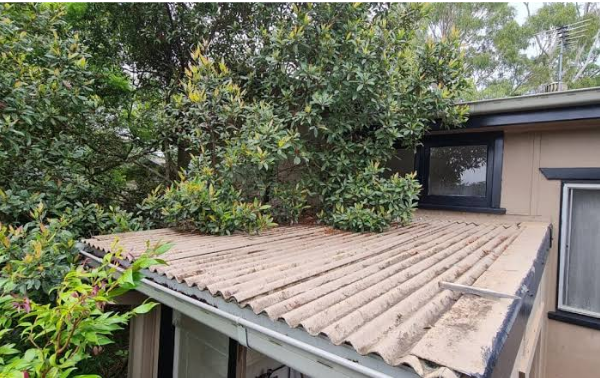
In offices, shops, and warehouses, the common suspects are ceiling tiles, wall and roof sheeting, vinyl floor tiles, pipe lagging, sprayed insulation on steel beams, and the boards behind switchboards. Plenty of them look almost identical to the asbestos free products that came later.
That’s the catch. Knowing how to identify asbestos helps you spot what looks suspect, but you still need a lab to confirm it. A licensed assessor takes samples and sends them to a NATA accredited laboratory, and the results tell you what’s there and whether it’s bonded or friable.
Turning Suspicion Into a Plan
Once the results are in, the guessing stops. Some materials will be in good condition and can stay where they are under your management plan. Some might be sealed. Some will have to come out.
If removal is the answer, commercial asbestos removal must be carried out by a licensed removalist with the right licence class. Class B covers bonded asbestos, and friable material needs Class A. A good contractor will plan around your trading hours and stage the job so the rest of the business can keep running where it can.
Ask for a written quote that lists removal, disposal, air monitoring, and clearance on separate lines. Once the work’s done, a clearance inspection confirms the area is safe, and the register gets updated.
Getting Ahead of It
Dealing with asbestos costs least when nothing’s urgent. If your building is older and the register is missing, vague, or years out of date, get it reviewed. If anything on it is still marked “suspected”, it may be worth testing so you finally know where you stand.
Got work coming up, whether it’s a full fit out or just a new air conditioning unit? Look at the register first. Booking commercial asbestos removal before the other trades arrive is nearly always easier than stopping halfway through a job.
Frequently Asked Questions
Can I just assume a material is asbestos instead of testing it?
You can, but it then has to be handled as asbestos every time anyone works near it, which tends to slow jobs down and push costs up.
How often does an asbestos management plan need reviewing?
At least once every five years. It should also be revisited when something changes, like removal work or damage to asbestos.
Who can remove asbestos from commercial premises?
It has to be a licensed removalist. For commercial asbestos removal, a Class B licence covers bonded asbestos, and friable asbestos needs Class A.