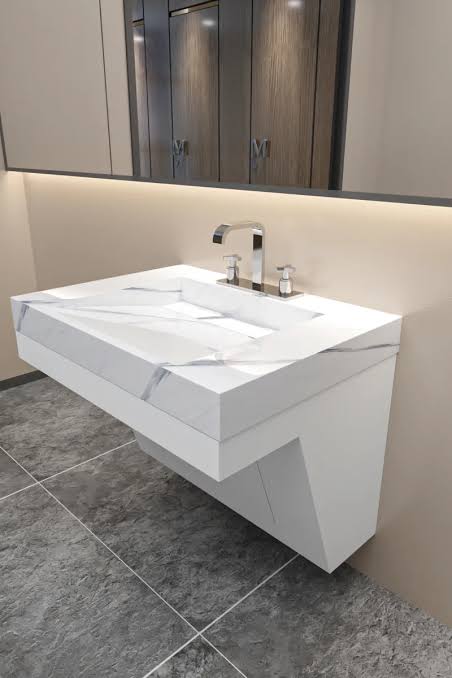






What Materials Are Commonly Used by Solid Surface Manufacturers?
Solid surface materials have become popular in residential and commercial interiors because they offer a combination of design flexibility, smooth finishes, and practical performance. They are widely used for kitchen countertops, bathroom vanity tops, reception desks, wall cladding, sinks, and customized furniture components. Their properties depend largely on the ingredients selected during manufacturing and how those ingredients are combined.
Unlike natural stone, solid surface products are generally engineered by combining mineral fillers, resin binders, pigments, and selected additives. Understanding these components helps buyers compare different products and identify the characteristics that matter for their applications. When evaluating a Solid Surface Manufacturer, knowing the materials used in production can also provide insight into product quality, appearance, fabrication requirements, and long-term performance.
1. Mineral Fillers
Mineral fillers are among the most important ingredients in many solid surface formulations. They provide much of the material’s body, contribute to its physical characteristics, and influence its appearance.
One commonly used mineral filler is aluminum trihydrate (ATH). It is frequently incorporated into acrylic solid surface materials because of its useful processing and performance characteristics.
Depending on the formulation, mineral fillers can help provide:
- A consistent material structure
- A smooth and uniform surface
- Improved dimensional stability
- Desired hardness and rigidity
- A suitable base for pigments and decorative effects
The proportion and quality of mineral fillers can influence the finished product. Manufacturers must select suitable grades and maintain consistent ingredient measurements to achieve the intended material properties.
2. Acrylic Resin
Acrylic resin is a common binder in solid surface manufacturing. It helps hold mineral particles together and creates a continuous material structure.
Products made with acrylic-based formulations are often valued for their fabrication flexibility and ability to achieve seamless-looking installations.
Important characteristics associated with acrylic solid surfaces include:
- Smooth surface finishes
- Good color consistency
- Thermoformability in suitable product grades
- Repairability of certain surface defects
- Compatibility with different decorative designs
Acrylic formulations can be used to produce sheets, countertops, sinks, and other molded components.
The performance of a finished product depends on the complete formulation and manufacturing process, not simply on the presence of acrylic resin.
3. Polyester Resin
Polyester resin is another binder used in some solid surface and engineered surface products.
Polyester-based materials can offer different characteristics from acrylic-based formulations, including variations in hardness, appearance, fabrication behavior, and cost.
The choice between acrylic and polyester depends on the intended application and the manufacturer’s product design.
Some factors to consider include:
- Resistance to selected chemicals
- Surface finishing requirements
- Color and pattern options
- Fabrication methods
- Repair requirements
- Product specifications
Buyers should avoid assuming that all polyester-based surfaces have identical performance. Resin quality, filler proportions, additives, and processing conditions can produce significant differences between products.
4. Acrylic-Modified Polyester Blends
Some manufacturers use blends of acrylic and polyester resins to combine selected characteristics of both materials.
These formulations may be developed to balance appearance, processing requirements, physical performance, and manufacturing costs.
The exact properties depend on the resin proportions and the formulation used. For example, a blend designed for a particular sheet product may behave differently from one developed for molded bathroom components.
When comparing blended materials, buyers should request technical specifications and ask manufacturers to explain the composition and intended application of each product.
5. Pigments and Colorants
Pigments are responsible for the color of solid surface products. They allow manufacturers to produce a broad range of shades, from plain white and neutral gray to darker colors and customized tones.
Colorants are carefully incorporated into the formulation to achieve a consistent appearance throughout production.
Common color categories include:
- White and off-white
- Beige and cream
- Gray and charcoal
- Black
- Brown and earth tones
- Custom colors for commercial interiors
Pigment selection affects more than basic color. Different pigments may influence opacity, visual depth, and the appearance of decorative patterns.
Manufacturers need accurate pigment measurements and controlled mixing procedures to minimize differences between production batches.
6. Decorative Particles and Pattern Materials
Solid surface products are available in more than simple uniform colors. Some designs contain particles or decorative elements that create visual depth and texture.
These may include mineral particles, colored chips, translucent elements, or other compatible decorative materials.
Depending on the manufacturing technique, decorative particles can create effects such as:
- Fine speckled patterns
- Terrazzo-inspired appearances
- Stone-like variations
- Subtle tonal movement
- Multi-color decorative designs
The distribution of these particles is important. Consistent mixing and controlled production help maintain the intended visual appearance across sheets and molded components.
Buyers planning large installations should review samples and confirm whether the selected design can be supplied consistently across multiple production batches.
7. Additives Used in Solid Surface Formulations
Manufacturers may include selected additives to support processing or improve specific material characteristics.
The additives used depend on the resin system, product design, and production method.
Possible additive categories include:
Curing agents: These support the chemical reaction required for certain resin systems to harden.
Catalysts and initiators: These help control curing reactions in formulations where they are required.
Pigment dispersants: These support more even distribution of colorants.
Processing aids: These may help improve mixing, flow, or production consistency.
Stabilizing ingredients: These can support formulation stability under defined conditions.
Not every product contains the same additives. Their selection and concentration must be compatible with the resin chemistry and intended manufacturing process.
8. Reinforcing Materials and Supporting Components
Some solid surface products may incorporate reinforcing materials or additional structural components, depending on their design.
Reinforcement can be relevant for products that require particular strength characteristics or more complex shapes. Supporting materials may also be used in specific installations to provide additional structural support.
However, reinforcement is not a standard ingredient in every solid surface sheet. It is important to distinguish between the composition of the solid surface material itself and the supporting structure used during installation.
For example, a countertop may require a supporting cabinet or substrate even when the surface material is sufficiently rigid for its intended use.
9. Materials Used in Acrylic Solid Surface Sheets
Acrylic solid surface sheets generally combine acrylic resin with mineral fillers, pigments, and selected additives.
The formulation is designed to produce a relatively uniform material that can be cut, shaped, joined, and finished using suitable fabrication techniques.
Common applications include:
- Kitchen countertops
- Bathroom vanity tops
- Reception counters
- Commercial work surfaces
- Wall panels
- Decorative furniture components
The material’s composition influences its fabrication behavior and finished appearance.
When purchasing acrylic sheets, buyers should review thickness, dimensions, color consistency, surface finish, and technical performance data.
10. Materials Used in Bathroom Sinks and Vanity Products
Solid surface sinks and bathroom components are often manufactured using related resin-and-mineral formulations.
The material may be cast or molded into different shapes, allowing manufacturers to produce integrated basins, freestanding washbasins, and coordinated vanity components.
The selected formulation should support the intended shape, surface finish, and usage requirements.
Important considerations include:
- Resistance to normal bathroom moisture
- Surface smoothness
- Cleaning requirements
- Dimensional accuracy
- Compatibility with installation fittings
- Resistance to commonly encountered bathroom substances
The design of joints, drainage connections, and installation details also influences the performance of the finished bathroom product.
11. How Material Selection Influences Product Performance
The combination of raw materials determines many of the characteristics that buyers associate with solid surface products.
Different formulations may offer different balances of appearance, fabrication flexibility, durability, and cost.
| Material component | Main contribution |
|---|---|
| Mineral fillers | Body, structure, and material consistency |
| Acrylic resin | Binding, fabrication flexibility, and surface characteristics |
| Polyester resin | Alternative binding and processing properties |
| Pigments | Color and visual consistency |
| Decorative particles | Patterns and visual texture |
| Additives | Processing and formulation support |
| Reinforcing materials | Additional support in selected product designs |
No single ingredient determines overall product quality. A well-designed formulation must combine compatible materials in appropriate proportions and undergo controlled manufacturing.
12. The Importance of Raw Material Quality
Even when manufacturers use similar ingredient categories, the quality and specifications of those ingredients may vary.
Differences in resin grade, filler purity, pigment quality, and additive compatibility can affect the final product.
A structured raw material inspection process helps manufacturers maintain consistent production standards.
Typical checks may include:
- Reviewing supplier specifications
- Verifying material grades
- Checking packaging and storage conditions
- Inspecting incoming batches
- Confirming formulation measurements
- Maintaining supplier and batch records
Proper storage is also important. Some ingredients require controlled environmental conditions to preserve their intended characteristics before production.
13. Sustainability Considerations in Material Selection
Environmental considerations are becoming increasingly relevant in engineered surface manufacturing.
Manufacturers may explore ways to reduce material waste, improve production efficiency, and select ingredients with more responsible sourcing profiles.
Potential approaches include optimizing formulations, improving cutting efficiency, reducing rejected products, and evaluating suitable recycled or alternative ingredients.
However, recycled content and environmental benefits should be verified rather than assumed. Buyers interested in sustainable materials should request supporting documentation about composition, sourcing, and relevant environmental claims.
It is also useful to consider product lifespan and maintenance requirements when evaluating the environmental impact of a surface material.
14. How Buyers Can Compare Different Solid Surface Formulations
Selecting a suitable material requires more than comparing color samples or prices. Buyers should understand the formulation and determine whether its characteristics match the project’s needs.
A practical comparison should consider:
- Resin composition: Determine whether the product is acrylic-based, polyester-based, or a blend.
- Mineral filler: Ask which filler is used and whether the manufacturer provides relevant specifications.
- Color options: Review samples and confirm consistency across production batches.
- Thickness and dimensions: Check whether available sizes suit the planned installation.
- Fabrication requirements: Confirm compatibility with the fabricator’s cutting, joining, and finishing equipment.
- Performance data: Review applicable technical tests and product documentation.
- Maintenance: Understand recommended cleaning procedures and repair options.
- Warranty: Examine the coverage, exclusions, and conditions provided by the supplier.
Requesting a physical sample is particularly useful because it allows buyers to examine color, finish, and material feel before placing a large order.
15. Questions to Ask a Solid Surface Manufacturer About Materials
Before purchasing, buyers can ask manufacturers several practical questions to understand their product formulations.
- Which resin system is used in the product?
- What mineral filler is included?
- Are material specifications available?
- How are pigments and decorative particles controlled?
- Are raw materials inspected before production?
- What performance tests have been conducted?
- Are different formulations available for specific applications?
- Can the manufacturer provide technical data sheets?
- How is color consistency maintained between batches?
- What cleaning and maintenance procedures are recommended?
Clear answers supported by documentation make it easier to compare suppliers and identify products that meet project requirements.
Conclusion
Solid surface manufacturing involves several material categories, including mineral fillers, acrylic and polyester resins, pigments, decorative particles, and specialized additives. Each component contributes to the formulation and influences the finished product’s appearance, fabrication characteristics, and performance.
The right material combination depends on the intended application, whether it is a kitchen countertop, bathroom basin, commercial work surface, or decorative interior component. Buyers should therefore look beyond appearance and examine product composition, technical specifications, manufacturing controls, and maintenance requirements.
Understanding these materials makes it easier to evaluate solid surface products and select a formulation that provides the appropriate balance of functionality, design flexibility, and long-term value.