




Centrifugal Slurry Pump Installation: A Practical Guide
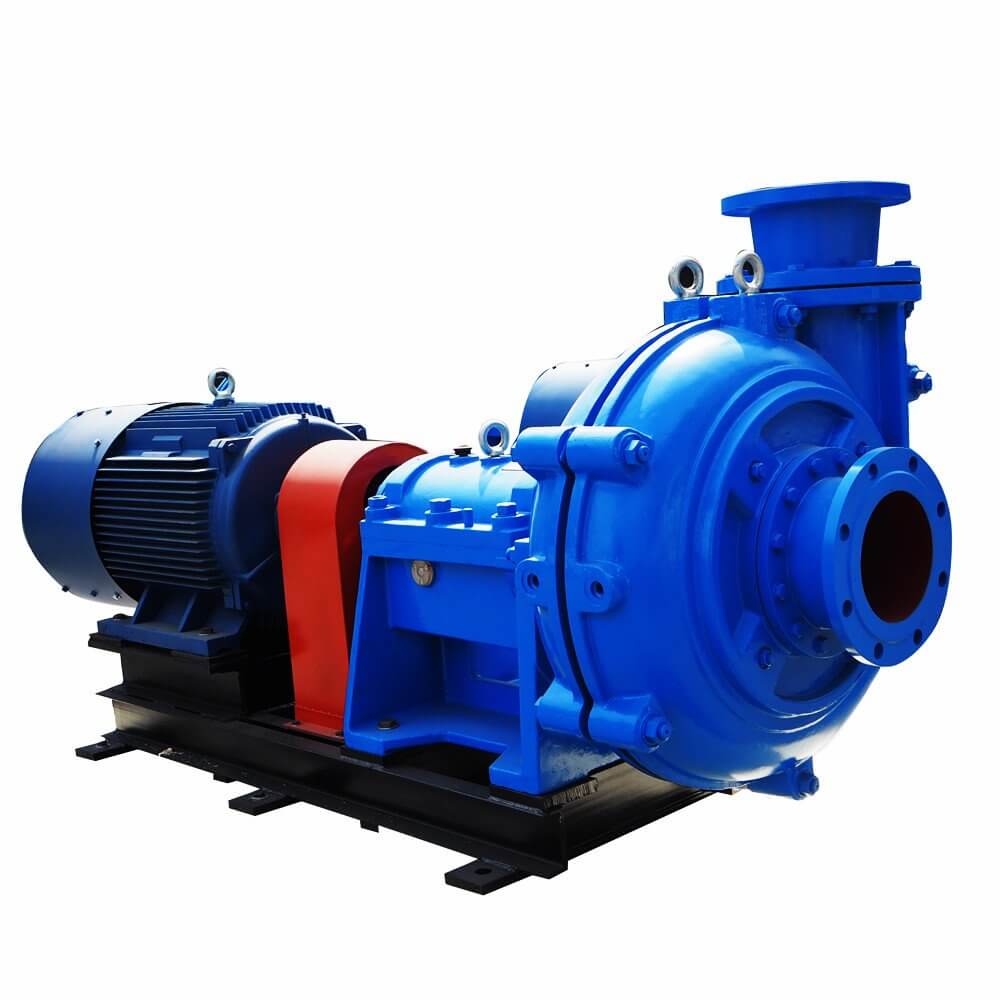
Proper installation is essential for achieving reliable performance from a slurry pumping system. Because slurry contains abrasive solids, installation errors can contribute to vibration, excessive wear, leakage, and unstable flow.
Before installing a centrifugal slurry pump, review the application requirements, equipment specifications, foundation conditions, and piping arrangement. A careful installation process helps ensure that the pump operates within its intended range and reduces the risk of premature component damage.
Prepare the Installation Site
Start by ensuring that the installation area is clean, accessible, and capable of supporting the complete pumping system. The foundation should be strong enough to resist vibration and maintain alignment during operation.
Allow sufficient space around the pump for inspection, lubrication, seal maintenance, and replacement of wear components. Good access can make routine maintenance significantly easier.
Check the Pump Before Installation
Inspect the pump and associated components before positioning the equipment. Look for visible damage that may have occurred during transportation or storage.
Check the following areas:
- Casing and liners
- Impeller
- Shaft and bearings
- Sealing components
- Coupling
- Base and mounting surfaces
Make sure rotating components can move freely and that protective packaging or temporary supports have been removed according to the equipment instructions.
Install on a Suitable Foundation
A stable foundation helps maintain pump alignment and minimize vibration. Position the pump carefully and ensure that the base is properly supported.
The foundation should be level and sufficiently rigid for the expected operating loads. Poor foundation conditions can cause movement, misalignment, and mechanical problems during operation.
Align the Pump and Drive
Correct alignment between the pump and its drive is one of the most important installation steps. Misalignment can place excessive loads on bearings, shafts, and couplings.
Alignment should be checked after the pump has been securely mounted. It should also be verified again after connecting the piping because pipe loads can sometimes shift the equipment.
Install the Suction Piping Correctly
The suction line should be designed to provide a smooth and stable flow into the pump. Avoid unnecessary bends, sudden reductions, and restrictions near the pump inlet.
The suction pipe should be properly supported so its weight is not transferred to the pump casing. Uncontrolled pipe loads can cause distortion, alignment problems, and leakage.
Where possible, keep the suction line as short and direct as practical.
Check the Discharge Piping
The discharge line should be properly supported and sized for the required flow and slurry characteristics.
Pay attention to bends, valves, and fittings because they contribute to system resistance. The piping arrangement should also minimize areas where solid particles can settle when the system is shut down.
Inspect Connections and Seals
All pipe connections, flanges, and sealing points should be checked before startup. Loose connections can cause leakage or allow air to enter the suction system.
The shaft sealing arrangement should be installed according to the equipment requirements. Incorrect installation or insufficient sealing support can lead to premature leakage and component damage.
Verify Rotation Direction
Before operating the pump at full speed, confirm that the motor rotation matches the required pump rotation direction.
Incorrect rotation can cause poor hydraulic performance and may damage certain components. Follow the appropriate equipment procedure for checking rotation safely before connecting the pump to normal operation.
Prime the Pump and Check Suction Conditions
A centrifugal pump should not be operated without the required liquid at the pump inlet. The appropriate priming procedure depends on the system configuration.
Before startup, verify that valves are positioned correctly and that sufficient slurry or liquid is available at the suction side. Poor suction conditions can contribute to cavitation, vibration, and unstable performance.
Start the Pump Gradually
After completing the installation checks, start the pump according to the recommended operating procedure. Avoid making sudden changes to flow or pressure immediately after startup.
During initial operation, monitor:
- Flow rate
- Discharge pressure
- Motor current
- Vibration
- Bearing temperature
- Seal condition
- Unusual noise
These observations can reveal installation problems before they develop into serious failures.
Monitor the First Operating Period
The first hours of operation are particularly important. Check the equipment regularly for loose connections, abnormal vibration, leakage, or unexpected changes in operating conditions.
Pay attention to slurry concentration and particle characteristics as well. If the actual slurry differs substantially from the design conditions, pump performance and wear rates may also change.
Common Installation Mistakes to Avoid
Several installation mistakes can negatively affect pump performance:
- Installing the pump on an unstable foundation.
- Failing to align the pump and drive correctly.
- Allowing piping loads to act on the pump casing.
- Using an unsuitable or undersized suction line.
- Creating unnecessary restrictions near the suction inlet.
- Starting the pump without proper priming.
- Ignoring abnormal vibration or leakage during initial operation.
- Failing to verify the actual slurry conditions.
Avoiding these problems can significantly improve startup reliability.
Final Installation Checklist
Before placing the system into regular service, confirm that the foundation, alignment, piping, valves, seals, electrical connections, and lubrication requirements have all been checked.
It is also useful to record initial operating data such as flow, pressure, motor current, vibration, and temperature. These measurements provide a baseline for future maintenance and troubleshooting.
Final Thoughts
Correct installation provides the foundation for reliable slurry pumping. From the foundation and alignment to suction piping, sealing, and initial startup, each step can affect equipment performance and component life.
A careful installation process helps minimize vibration, leakage, cavitation, and premature wear. Once the pump is operating, continued monitoring and preventive maintenance are essential for maintaining stable performance under demanding slurry conditions.