




Why Xprinter Thermal Printers Are Suitable for Modern POS Systems
Modern point-of-sale (POS) systems play an essential role in managing business transactions, processing payments, tracking sales, and maintaining customer records. Retail stores, supermarkets, restaurants, cafes, and other service businesses rely on efficient POS equipment to handle daily operations. Among the important components of these systems, receipt printers help ensure that transactions are completed smoothly and customers receive accurate purchase records.
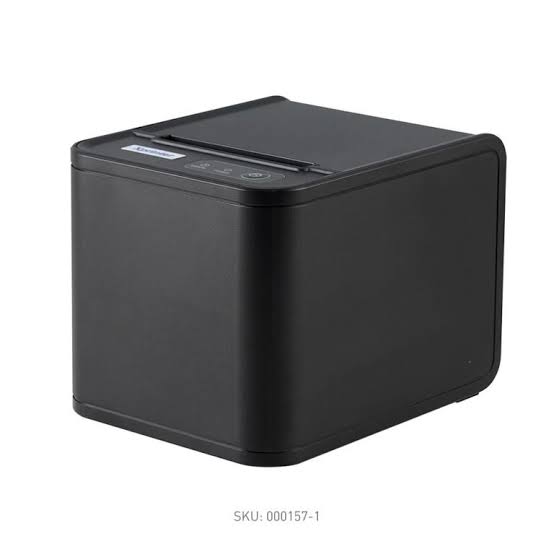
Thermal printing technology has become a popular choice for POS applications because of its fast output, compact design, and relatively simple maintenance requirements. An Xprinter Thermal Printer can support different transaction environments by providing printing solutions for receipts, order tickets, and other business documents. Understanding the features that make thermal printers suitable for modern POS systems can help businesses choose equipment that matches their operational requirements.
Understanding the Role of Thermal Printers in POS Systems
A POS system combines hardware and software to manage sales transactions and related business activities. Common components include computers or terminals, barcode scanners, cash drawers, payment devices, and receipt printers.
Thermal printers receive transaction information from compatible POS software and convert it into printed receipts. Depending on the configuration, they can also produce order tickets, payment confirmations, and other transaction-related documents.
Most POS receipt printers use direct thermal technology. This method relies on heat-sensitive paper that changes color when exposed to a heated printhead. Since it does not require ink cartridges or toner, it offers a convenient printing solution for businesses that handle frequent transactions.
1. Fast Printing for Busy Checkout Environments
Printing speed is one of the most important requirements in a modern POS environment. Retail businesses often process numerous transactions within short periods, particularly during weekends, holidays, and promotional events.
Thermal receipt printers can produce transaction records quickly, helping cashiers complete checkout procedures without unnecessary delays.
Fast receipt printing is particularly beneficial for:
- Supermarkets with multiple checkout counters
- Convenience stores with frequent customer purchases
- Restaurants handling dine-in and takeaway orders
- Cafes managing busy service periods
- Shopping centers with high customer traffic
By reducing the time required to generate receipts, thermal printing helps employees maintain a smoother checkout process.
2. Clear and Readable Receipt Printing
Customers need receipts that clearly display important transaction information. These documents may include product names, quantities, prices, taxes, payment methods, and purchase totals.
Thermal printers can produce sharp text and graphics when compatible paper and suitable print settings are used. Clear output makes it easier for customers to review purchases and helps businesses maintain organized transaction records.
Receipt readability is also important when customers request refunds, exchanges, or warranty-related assistance.
Businesses should consider print resolution, paper quality, and the printer’s ability to reproduce small text when evaluating POS printing equipment.
3. Easy Integration With POS Software
Compatibility with existing software is essential when selecting a receipt printer. A POS printer should communicate reliably with the software responsible for processing sales and generating transaction information.
Many thermal printers support common interfaces and printing commands that allow integration with different POS environments.
Before purchasing, businesses should check:
- Supported operating systems
- Available printer drivers
- Compatibility with POS applications
- Supported printing command languages
- Available software development kits
- Connection options for existing terminals
Proper integration allows transaction information to move from the POS application to the printer without requiring employees to enter the same details manually.
4. Multiple Connectivity Options
Modern businesses use different POS configurations depending on their size, location, and operational requirements. Therefore, connectivity flexibility is an important feature when selecting a thermal receipt printer.
USB Connectivity
USB connections are commonly used for direct communication between receipt printers and POS computers. They are suitable for individual checkout stations and straightforward installations.
Ethernet Connectivity
Ethernet allows printers to connect to a local business network. This can be useful in larger stores or restaurants where printing equipment is installed at multiple workstations.
Bluetooth Connectivity
Bluetooth supports wireless connections with compatible mobile devices. It can be useful for mobile ordering stations, temporary checkout areas, and selected portable POS configurations.
Wi-Fi Connectivity
Wi-Fi provides wireless network communication for supported printer models. It can offer more flexibility when physical network cabling is inconvenient.
Businesses should select connectivity options according to their existing infrastructure and verify compatibility with their POS hardware.
5. Compact Design for Limited Counter Space
Retail counters and restaurant service stations often contain several devices, including payment terminals, barcode scanners, cash drawers, and customer displays.
Large printing equipment can make these workspaces difficult to organize. Many thermal receipt printers feature compact designs that fit comfortably alongside other POS components.
Their space-saving construction helps businesses maintain cleaner checkout areas while keeping essential equipment within employees’ reach.
Compact models are particularly useful for small retail stores, cafes, food stalls, and service counters where available workspace is limited.
6. Lower Printing Consumable Requirements
Managing printing expenses is an important part of controlling business operating costs.
Direct thermal POS printers use heat-sensitive paper instead of traditional ink cartridges or toner. This eliminates the need to purchase and replace these consumables.
The simplified printing process can also reduce certain routine maintenance tasks associated with conventional printing technologies.
However, businesses still need to purchase compatible thermal paper and maintain the printhead and other components. The paper’s sensitivity to heat and light should also be considered when storing receipts for extended periods.
7. Automatic Cutting for Convenient Transactions
Some POS thermal printers include automatic paper cutters that separate receipts after printing.
This feature is useful in environments where employees process many transactions throughout the day. Instead of manually tearing each receipt, cashiers can provide printed documents more conveniently.
Automatic cutters can also create consistent receipt edges and improve the overall checkout experience.
When evaluating this feature, businesses should review cutter durability, maintenance requirements, and whether the printer supports automatic or partial cutting.
8. Support for Different Business Applications
Thermal POS printers are useful across a variety of industries because transaction printing is a common requirement in many commercial environments.
Retail Stores and Supermarkets
Retailers use receipt printers to generate purchase records, payment confirmations, and transaction summaries. They help maintain organized checkout procedures and provide customers with proof of purchase.
Restaurants and Cafes
Food service businesses use thermal printers for customer receipts, kitchen order tickets, takeaway documentation, and delivery information.
Some POS configurations allow orders to be sent automatically to different printers based on their preparation locations. For example, beverage orders may go to a bar station while food orders are directed to the kitchen.
Hotels and Hospitality Businesses
Hotels, guesthouses, and other hospitality facilities may use thermal printers to produce payment receipts, service tickets, and transaction summaries.
These documents support front-desk operations and help employees maintain organized records.
Pharmacies and Healthcare Retail
Pharmacies use POS receipt printers for purchase documentation and payment confirmations. Depending on the system, printing equipment may also support additional labeling requirements.
Clear and accurate transaction information helps staff and customers review completed purchases.
9. Reliable Performance for Daily Business Operations
A POS printer must operate consistently because printing interruptions can affect checkout activities and customer service.
Businesses should select equipment designed to handle their expected daily transaction volume. Important specifications include printhead durability, printing speed, cutter life, and recommended operating conditions.
Regular maintenance also contributes to reliable performance. Cleaning the printhead, checking paper alignment, and using compatible printing supplies can help reduce common operational problems.
It is equally important to review manufacturer documentation and technical support availability before purchasing equipment.
10. Improved Customer Experience
The checkout process is often one of the final interactions customers have with a business. Delays, unclear receipts, and printing interruptions can create an inconvenient experience.
Thermal printers support smoother transactions by producing receipts quickly and consistently. Their integration with POS software also helps ensure that printed information reflects the details recorded during payment processing.
A well-organized receipt printing process can contribute to shorter waiting times, clearer purchase documentation, and more efficient customer service.
Important Features to Consider When Selecting a POS Thermal Printer
Although thermal printers offer several advantages, businesses should compare individual specifications before choosing a particular model.
| Feature | Why It Matters |
|---|---|
| Printing speed | Helps maintain efficient checkout operations |
| Print resolution | Supports readable text and graphics |
| Connectivity | Determines compatibility with POS hardware |
| Paper width | Ensures compatibility with receipt requirements |
| Automatic cutter | Simplifies receipt separation |
| Software support | Enables integration with POS applications |
| Printer durability | Supports regular commercial workloads |
| Maintenance requirements | Influences long-term operating convenience |
The best combination of features depends on the business’s transaction volume, installation environment, and software requirements.
Best Practices for Maintaining POS Thermal Printers
Regular maintenance helps preserve printing quality and reduces the likelihood of unexpected interruptions.
Businesses can follow these practical recommendations:
- Clean the printhead: Remove dust and paper residue using manufacturer-approved cleaning materials.
- Use compatible thermal paper: Select the correct paper width and quality for the printer.
- Check paper loading: Ensure that rolls are installed correctly to prevent feeding problems.
- Inspect the automatic cutter: Check for accumulated paper fragments or signs of damage.
- Maintain software compatibility: Keep drivers and supported firmware updated when recommended.
- Monitor printing quality: Investigate faded text, missing lines, or inconsistent output before problems become more serious.
These maintenance practices can help businesses keep their POS printing equipment in suitable working condition.
Conclusion
Thermal printing technology is well suited to modern POS systems because it combines fast output, clear receipt production, convenient operation, and flexible connectivity. These characteristics make thermal printers useful for retail stores, supermarkets, restaurants, cafes, and other businesses that handle regular customer transactions.
Xprinter thermal printing solutions can support different POS requirements through suitable printing configurations and connectivity options. By evaluating printing speed, software compatibility, durability, paper handling, and maintenance needs, businesses can select equipment that fits their checkout environment.
Ultimately, choosing an appropriate POS thermal printer can help streamline transaction processing, support accurate documentation, and create a more organized experience for both employees and customers.