




How Solar Diodes Improve Protection and Performance in Photovoltaic Systems
Photovoltaic systems convert sunlight into electrical energy using solar cells, but their performance depends on more than the panels themselves. Electrical components play an important role in maintaining efficient power generation, preventing damage, and ensuring safe operation. Among these components, diodes help manage current flow and protect solar modules under different operating conditions.
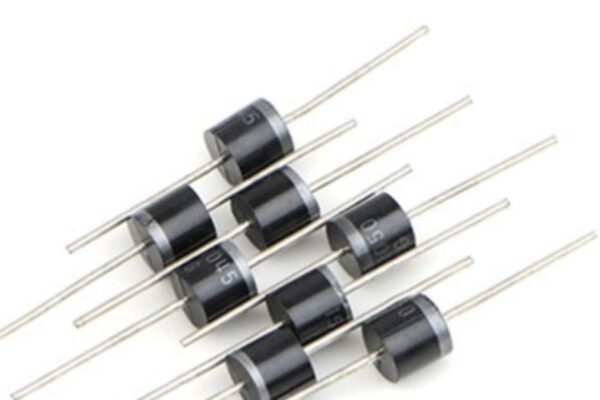
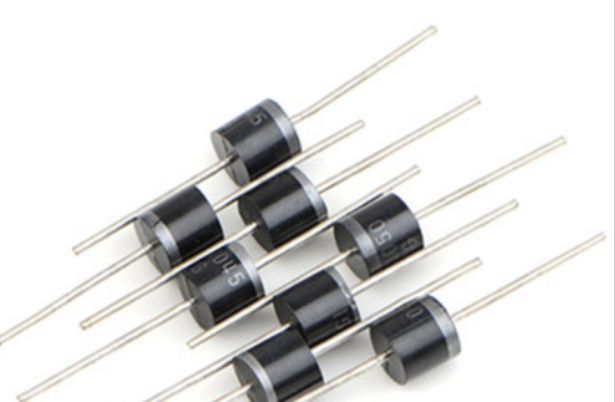
A Solar Diode is a semiconductor component used in photovoltaic systems to control the direction of electrical current and support reliable energy generation. Bypass and blocking diodes perform different protective functions, helping reduce the effects of shading, prevent unwanted reverse current, and improve system reliability. Understanding how these components work makes it easier to design and maintain an effective solar installation.
What Is a Solar Diode?
A solar diode is a diode used in a photovoltaic system to regulate current flow and provide electrical protection. Like other semiconductor diodes, it allows current to pass primarily in one direction while restricting current in the opposite direction.
Solar installations commonly use two main types of diodes: bypass diodes and blocking diodes. Although both support system protection, they serve different purposes.
- Bypass diodes provide an alternative current path around shaded or underperforming solar cells.
- Blocking diodes help prevent reverse current from flowing back into a solar panel or string under certain operating conditions.
The correct diode configuration depends on the system architecture, module design, and electrical requirements.
How Solar Diodes Work in Photovoltaic Systems
Solar panels contain multiple photovoltaic cells connected together to produce the required voltage and current. When sunlight reaches these cells, they generate direct current through the photovoltaic effect.
However, shading, dirt, physical damage, or uneven illumination can affect individual cells. These conditions may create electrical imbalances within a panel or between connected modules.
Diodes help manage these situations by controlling the available current paths. Their operation supports safer energy transfer and helps prevent certain conditions that could reduce output or damage components.
Types of Diodes Used in Solar Panels
1. Bypass Diodes
Bypass diodes are commonly installed inside solar module junction boxes and connected across groups of solar cells. Their primary function is to provide an alternative path for current when a section of the panel becomes shaded or experiences a fault.
Without bypass protection, shaded cells can become reverse-biased as other cells in the same series-connected string continue driving current. This can create localized heating, commonly known as a hot spot.
When the affected section becomes sufficiently reverse-biased, the bypass diode conducts and allows current to flow around that section. This helps reduce the electrical stress on shaded cells.
2. Blocking Diodes
Blocking diodes are used in certain photovoltaic configurations to prevent unwanted reverse current. For example, they may help stop current from a battery or another parallel-connected solar string from flowing backward through a panel under low-light conditions.
These diodes are particularly relevant in some off-grid systems and installations with specific parallel-string arrangements.
However, blocking diodes are not necessary in every modern solar installation. Many systems use charge controllers, inverters, or other protective arrangements that provide suitable reverse-current management.
Key Benefits of Solar Diodes
Solar diodes contribute to photovoltaic system reliability and protection in several important ways.
Reduced Risk of Hot Spots
Partial shading can cause some solar cells to dissipate electrical energy instead of generating it. This may lead to excessive localized heating.
Bypass diodes help reduce this risk by allowing current to travel around affected cell groups, limiting the stress placed on shaded sections.
Improved Energy Generation Under Partial Shading
When a portion of a solar panel is shaded, bypass diodes can help maintain current flow through the remaining active sections.
Although bypassing a cell group reduces the panel’s available voltage, it can prevent a heavily shaded section from restricting the output of the entire series-connected string.
Protection Against Reverse Current
Blocking diodes help prevent unwanted current from flowing in the reverse direction in suitable system configurations. This can protect photovoltaic modules from certain electrical conditions that may occur during nighttime or when connected strings operate at different voltages.
Greater System Reliability
By managing current paths and reducing electrical stress, diodes support the dependable operation of photovoltaic installations. Their protective role can help reduce the likelihood of damage associated with shading and reverse-current conditions.
Support for Flexible System Design
Different diode arrangements allow solar engineers to design photovoltaic systems for a variety of installation conditions. Their use depends on panel configuration, system voltage, current requirements, and the protection features already included in other equipment.
How Solar Diodes Affect Photovoltaic Performance
Solar diodes can improve system performance by helping panels operate more effectively under certain abnormal conditions. Their contribution is especially noticeable when individual cell groups experience partial shading.
For example, if leaves, nearby buildings, or other objects block sunlight from part of a panel, the affected cells may limit current through a series-connected circuit. A bypass diode can provide an alternative path, allowing the unaffected sections to continue supplying power.
However, bypassing a section also reduces the panel’s operating voltage. Therefore, diodes do not eliminate the energy losses caused by shading. Instead, they help manage those losses and reduce the risk of excessive heating.
The overall performance of a photovoltaic system also depends on panel orientation, inverter efficiency, wiring quality, temperature, and maintenance.
Factors to Consider When Selecting Solar Diodes
Choosing appropriate diodes is essential for ensuring compatibility and reliable photovoltaic operation.
1. Current Rating
The diode must be capable of handling the expected operating current without exceeding its thermal or electrical limits.
2. Reverse Voltage Rating
The maximum reverse voltage rating should be suitable for the photovoltaic module or system configuration. Adequate voltage margin helps prevent reverse breakdown.
3. Forward Voltage Drop
A diode’s forward voltage drop affects power dissipation when current flows through it. Lower forward voltage can reduce energy losses, although other specifications must also be considered.
4. Temperature Performance
Solar panels are exposed to changing outdoor temperatures. Diodes should have appropriate temperature ratings and thermal characteristics for the intended installation environment.
5. Reverse Leakage Current
Reverse leakage can affect efficiency and protection performance. Selecting a component with suitable leakage characteristics helps support dependable operation.
6. Compatibility with the Solar Module
Diode specifications and installation arrangements should match the module manufacturer’s requirements. Junction box design, electrical ratings, and thermal management are important considerations.
Maintenance and Inspection of Solar Diodes
Solar diodes are often installed inside module junction boxes, so they may not be directly visible during routine inspections. Nevertheless, their condition can influence overall panel performance.
Regular photovoltaic system maintenance should include checking for unusual temperature patterns, damaged junction boxes, loose electrical connections, and unexpected reductions in energy output.
Thermal imaging can help identify hot spots or abnormal heating, while electrical testing can support the diagnosis of suspected diode failures. Any inspection involving electrical connections should be performed by a qualified technician using appropriate safety procedures.
Damaged or failed diodes should be replaced with components that meet the manufacturer’s specifications.
Common Problems Associated with Solar Diodes
Although solar diodes are designed for reliable operation, they can experience faults under excessive electrical or thermal stress.
- Open-circuit failure: A diode may stop conducting when it is expected to provide a bypass path, potentially reducing protection against shaded-cell hot spots.
- Short-circuit failure: A bypass diode that remains shorted can permanently bypass its associated cell group, reducing the module’s output voltage.
- Overheating: Inadequate heat dissipation or excessive current can cause the diode temperature to rise beyond its safe operating range.
- Incorrect installation: A diode with unsuitable ratings or incorrect polarity may fail to provide the intended protection.
Using properly rated components and following the manufacturer’s installation guidance helps minimize these risks.
Conclusion
Solar diodes are important components in photovoltaic systems because they help manage current flow, reduce electrical stress, and protect solar modules under specific operating conditions. Bypass diodes are particularly valuable when partial shading affects individual cell groups, while blocking diodes can prevent unwanted reverse current in suitable system configurations.
Although they cannot eliminate all energy losses caused by shading or other environmental factors, correctly selected and installed diodes contribute to safer, more reliable solar power generation. Understanding their functions, ratings, and maintenance requirements helps engineers and system owners support the long-term performance of photovoltaic installations.