






Why Wholesale Tissue Culture Tropical Plants Are Popular Among Plant Retailers
The demand for tropical plants has grown across garden centers, specialty plant shops, home décor stores, and online plant businesses. Their attractive foliage, diverse shapes, and suitability for indoor and outdoor environments make them appealing to a wide range of customers. As retailers look for dependable ways to maintain attractive product collections, tissue culture propagation has become an increasingly useful source of commercial planting material.
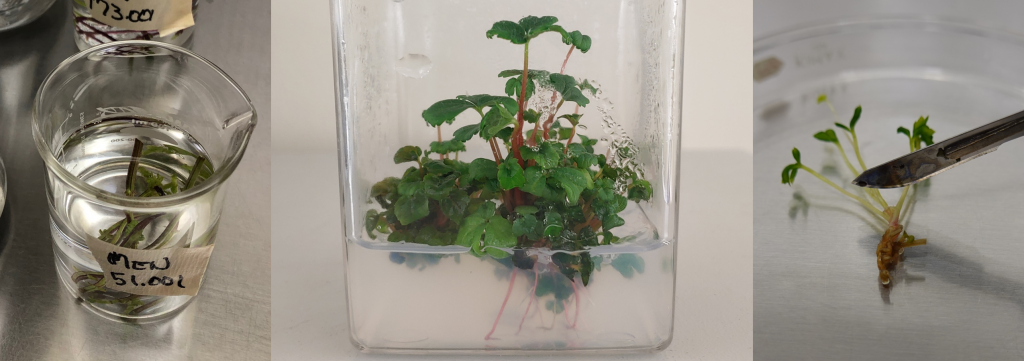
Purchasing Wholesale Tissue Culture Tropical Plants allows retailers and nursery businesses to access young plants produced through controlled propagation processes. This sourcing approach offers several advantages, including access to diverse varieties, more consistent plant characteristics, and opportunities for organized inventory planning. Understanding these benefits explains why tissue culture plants have become popular in the commercial horticulture market.
1. Access to a Wide Variety of Tropical Plants
Product diversity is important for plant retailers because customers have different preferences, budgets, and growing environments. Some shoppers prefer compact foliage plants for apartments, while others look for distinctive tropical varieties to decorate offices, gardens, and larger interiors.
Tissue culture suppliers can offer a selection of tropical plants that may be difficult or time-consuming to multiply through conventional methods. This gives retailers more opportunities to develop varied collections and introduce new products.
A broader selection can help retailers:
- Attract customers with different plant preferences
- Offer distinctive foliage varieties
- Develop specialized tropical plant collections
- Respond to seasonal purchasing trends
- Create more choices for indoor plant enthusiasts
Retailers should review supplier catalogs carefully to identify varieties that suit their customer base and local growing conditions.
2. More Consistent Plant Characteristics
Consistency is valuable when retailers purchase plants in bulk. Customers generally expect plants within the same variety to have similar foliage characteristics, growth habits, and overall appearance.
Tissue culture propagation uses selected plant material and controlled multiplication procedures. This can help maintain consistent genetic characteristics across production batches, although plant appearance and development can still vary with environmental conditions and cultivation practices.
For retailers, consistent plant characteristics can simplify product grading, pricing, labeling, and display preparation. It also helps businesses present a more organized collection to customers.
3. Reliable Supply for Regular Inventory
Maintaining sufficient stock is a common challenge for plant retailers. Popular varieties may sell quickly, and shortages can result in missed sales opportunities or gaps in product displays.
Wholesale tissue culture sourcing can help retailers arrange larger purchases through specialized suppliers. When order quantities and delivery schedules are planned in advance, businesses can coordinate incoming plants with expected sales demand.
A more organized supply arrangement is particularly useful for retailers that operate multiple locations, sell through online channels, or supply plants to commercial customers.
However, buyers should confirm supplier production capacity, variety availability, and lead times before depending on a particular product for regular inventory.
4. Opportunities for Competitive Product Pricing
Retailers must balance product quality with purchasing costs to maintain healthy profit margins. Wholesale buying can provide access to more favorable unit prices when larger quantities are ordered.
Tissue culture plants may also offer cost-management advantages by allowing retailers to source propagated material instead of investing in extensive in-house propagation facilities.
The final financial benefit depends on several factors, including:
- Wholesale unit prices
- Minimum order quantities
- Packaging and transportation expenses
- Import costs, where applicable
- Acclimatization and growing requirements
- Expected plant losses before retail sale
Retailers should compare the complete cost of sourcing and preparing plants rather than focusing only on the initial purchase price.
5. Easier Introduction of New Plant Varieties
Keeping a product collection fresh can help plant retailers attract returning customers and reach new market segments. New tropical varieties can generate interest among collectors, interior designers, and people looking for distinctive decorative plants.
Tissue culture propagation can make selected varieties available in larger quantities than some traditional propagation methods. Retailers can use this opportunity to test customer interest in new products without first developing their own parent plant collections.
Introducing new varieties gradually also helps businesses evaluate which plants sell well, how customers respond to their prices, and whether additional stock should be ordered.
6. Efficient Use of Retail and Nursery Space
Space is an important resource for plant retailers, especially those operating smaller garden centers or indoor plant shops. Efficient inventory management helps businesses maintain attractive displays without overcrowding their facilities.
Tissue culture plants are often supplied at young growth stages, allowing buyers to manage their development before preparing them for retail sale. Depending on the supplier’s product specifications, retailers may choose plants that fit their available growing and handling facilities.
A planned workflow can include receiving, inspection, acclimatization, transplanting, and preparation for sale.
Businesses should remember that young tissue culture plants may require controlled humidity, suitable light, and careful watering during acclimatization. Adequate space and staff attention are necessary to establish plants successfully before retail distribution.
7. Support for Product Quality Management
Retail customers pay attention to plant appearance and condition. Healthy foliage, suitable root development, and correct variety identification all contribute to a positive shopping experience.
Tissue culture plants are propagated under controlled laboratory conditions, which can help limit contamination during production. However, their quality after delivery also depends on packaging, transportation, handling, and growing conditions.
Retailers should establish receiving procedures that include checking plant condition, verifying quantities, reviewing labels, and separating any damaged material.
Following supplier recommendations during acclimatization can help young plants adapt to the retail nursery environment and improve their readiness for sale.
8. Suitable for Different Retail Business Models
Tropical plants appeal to several customer groups, making them suitable for different retail business models. A specialty plant shop may focus on unusual foliage varieties, while a garden center may prefer a broader collection of popular tropical plants.
Online plant sellers can also use tissue culture sourcing to develop inventory for customers interested in growing plants at home. Meanwhile, businesses serving offices, hotels, and interior landscaping projects may need consistent quantities of selected varieties.
Wholesale purchasing gives retailers an opportunity to organize their product range according to their specific sales channels.
The most suitable varieties will depend on local climate, customer preferences, plant care requirements, and available retail space.
9. Potential to Support More Organized and Responsible Sourcing
Tissue culture allows selected plants to be multiplied from relatively small amounts of starting material. For certain varieties, this may reduce the need to maintain extensive parent plant collections and provide an alternative to some conventional propagation practices.
It can also help suppliers plan production in batches, supporting more predictable purchasing and inventory management.
However, environmental performance depends on the entire production and distribution process. Laboratory energy use, packaging, transportation, growing media, irrigation, and plant survival all need to be considered.
Retailers interested in responsible sourcing should ask suppliers about their production methods and request supporting information for environmental claims.
10. What Retailers Should Check Before Buying Wholesale
Although tissue culture plants offer several commercial advantages, selecting the right supplier remains essential. Retailers should evaluate both product specifications and the practical requirements of handling young plants.
Before placing an order, consider these points:
Variety selection: Confirm that the supplier offers plants suited to your target customers and local market.
Plant specifications: Ask about growth stage, size, packaging format, and variety identification.
Quality procedures: Understand how plants are inspected before shipment and what standards are followed during production.
Supply capacity: Check whether the supplier can fulfill larger orders and support future purchases.
Shipping arrangements: Review packaging methods, delivery timelines, and relevant import documentation.
Growing guidance: Request recommendations for acclimatization, humidity, light, watering, and transplanting.
Starting with a smaller order can help retailers evaluate actual plant quality and supplier performance before committing to regular bulk purchases.
Conclusion
Wholesale tissue culture tropical plants are popular among plant retailers because they provide access to diverse varieties, support more consistent plant characteristics, and offer opportunities for organized inventory management. They can also help businesses introduce new products, manage purchasing costs, and serve different customer groups.
Successful sourcing still requires careful supplier selection and appropriate post-delivery care. By checking plant specifications, reviewing shipping arrangements, planning acclimatization, and understanding total purchasing costs, retailers can make informed decisions and build a dependable supply of tropical plants for their businesses.