



Why Choose an Interlocking Block Making Machine for Sustainable Construction
Construction methods are continually evolving as builders look for ways to use materials efficiently, manage labor, and reduce unnecessary waste. Interlocking blocks are one option in this wider effort. Their shaped edges or profiles are designed to fit together in a particular arrangement, potentially reducing the need for conventional mortar in some systems. Whether they are suitable depends on the design, engineering requirements, and local building regulations.
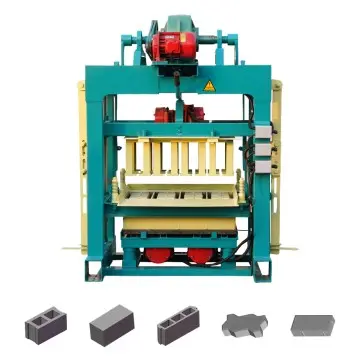
An Interlocking Block Making Machine manufactures blocks with specific profiles that allow adjoining units to connect or align. The machine uses compatible molds to form the required shape from a prepared mixture. Consistent dimensions and accurate profiles are essential because even small variations can affect how the units fit together during construction.
What Are Interlocking Blocks?
Interlocking blocks are designed with features such as grooves, projections, recesses, or other complementary shapes. These features help position adjoining blocks and can provide alignment during assembly.
Different systems use different designs. Some are made from concrete, while others use compressed earth or other suitable materials. Their construction methods and performance characteristics are not interchangeable.
An interlocking profile does not automatically make a wall structurally suitable. Engineers must determine whether the system can meet the required loads, stability, weather resistance, and other performance criteria. Reinforcement, grout, mortar, or additional connections may still be required depending on the design.
1. Accurate Profiles for Better Fit
The machine’s mold determines the geometry of each block. For an interlocking product, the profile must be formed accurately so that adjoining units can fit as intended.
Mold quality, material distribution, compaction, and demolding all affect the finished shape. Poorly formed projections or recesses may create gaps, alignment difficulties, or damaged edges.
Manufacturers should inspect the profile of sample blocks and confirm that dimensions remain consistent across production batches. Worn molds should be repaired or replaced before they produce large quantities of defective units.
2. Potential to Simplify Certain Building Processes
Some interlocking systems are designed to reduce or limit the use of mortar between blocks. Their profiles help guide placement and alignment, which may simplify selected construction tasks.
The actual labor and time savings depend on the building design, worker experience, block dimensions, and site conditions. Not every interlocking system can be installed without mortar or other connecting materials.
Before promoting a product as a mortar-free solution, manufacturers should understand the system’s installation requirements and provide accurate technical information to customers.
3. Material Efficiency and Waste Management
Interlocking blocks can be manufactured using carefully proportioned materials and repeatable molds. Standardized production may help reduce dimensional defects and rejected products when the process is well controlled.
Some systems use locally available materials, which may reduce transportation requirements. However, local sourcing is beneficial only when the materials meet the product’s technical requirements.
Sustainable manufacturing also involves managing water use, energy consumption, cement content, material storage, and waste. Rejected blocks and leftover concrete should be handled responsibly, with reuse considered only where technically and legally appropriate.
4. Opportunities for Different Construction Markets
Interlocking blocks may be used in selected residential, landscaping, boundary, or low-rise construction applications. The appropriate use depends on the block material, design, and tested performance.
A manufacturer should research the needs of local builders before investing in specialized molds. Demand may differ between urban developments, rural housing projects, landscaping contractors, and infrastructure work.
Offering several designs can broaden a product range, but each additional mold requires investment, storage, and production planning. It is usually better to begin with products that have identifiable customers.
5. Selecting the Right Machine Configuration
Interlocking block machines vary in their forming methods, production capacity, and level of automation. Buyers should compare the machine’s mold system, compaction arrangement, operating cycle, and ability to produce the exact profile required.
Ask the supplier to demonstrate the intended block design. Examine the finished units for accurate dimensions, clean edges, and repeatable interlocking features. Confirm whether additional molds can be installed and what adjustments are needed when changing products.
The machine should also suit the available factory space, electrical supply, labor arrangements, and budget.
6. Quality Control and Product Testing
A consistent block shape is important, but geometric accuracy is only one part of product quality. The material mixture, curing process, and finished strength must also meet the requirements of the intended application.
Manufacturers should maintain documented mix proportions, inspect production samples, and arrange appropriate testing. Technical data should clearly explain the product’s limitations and installation requirements.
Supporting More Considered Construction Choices
An interlocking block-making machine can help manufacturers produce specialized units for construction systems that value accurate fitting and efficient assembly. Its sustainability benefits should be assessed across the complete product and building process rather than assumed from the block shape alone.
By selecting suitable materials, using well-designed molds, controlling production, and providing reliable technical guidance, manufacturers can offer interlocking products that respond to practical construction needs.