



How Pneumatic Butterfly Valves Improve Automation and Efficiency in Industrial Applications
Industrial facilities rely on dependable flow-control equipment to maintain production, manage fluid movement, and reduce unnecessary operational interruptions. As manufacturing processes become increasingly automated, valves that can respond to remote control signals are becoming important components of modern pipeline systems. Pneumatic butterfly valves offer a practical solution by combining the compact structure of a butterfly valve with an actuator powered by compressed air.
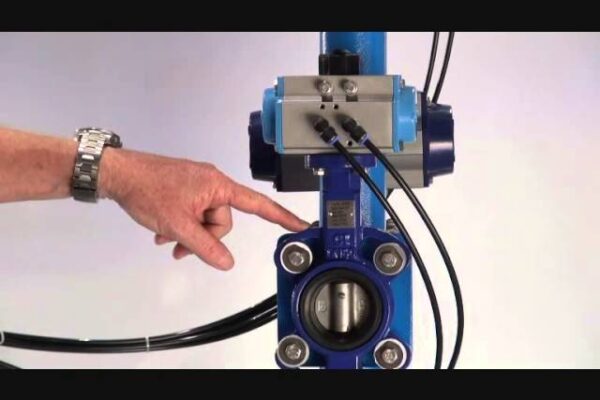
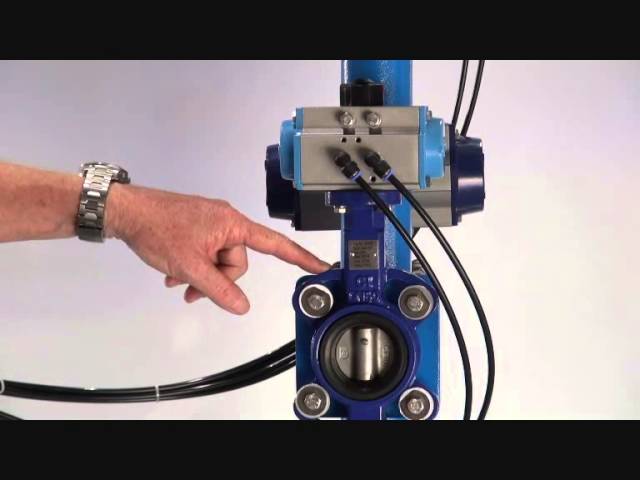
A Pneumatic Butterfly Valve uses a rotating disc to regulate or isolate fluid flow, while a pneumatic actuator provides the force needed to operate the valve. Instead of requiring manual movement, the actuator responds to control signals from an automation system or operator. This arrangement supports faster operation, remote control, and integration with industrial process equipment.
What Is a Pneumatic Butterfly Valve?
A pneumatic butterfly valve is an automated valve designed to control the movement of liquids, gases, or compatible process media through a pipeline. Its main components include a valve body, rotating disc, stem, seat, and pneumatic actuator.
The disc is positioned inside the pipeline and rotates around a central axis. When the disc aligns with the direction of flow, fluid can pass through the valve. When it turns across the pipeline, the disc restricts or stops the flow.
The pneumatic actuator converts compressed-air energy into mechanical movement. Depending on the actuator design, this movement may rotate the valve through a quarter turn to open or close it.
How Pneumatic Butterfly Valves Work
The operating process combines pneumatic power with a simple mechanical valve arrangement.
Compressed Air Powers the Actuator
Compressed air enters the actuator through a designated connection. The air pressure acts on an internal piston or diaphragm, depending on the actuator construction, creating the force required to move the valve mechanism.
The Actuator Rotates the Disc
The actuator transfers movement through a coupling to the valve stem. This rotates the disc, changing the opening inside the pipeline.
A quarter-turn movement is generally sufficient to move the valve between its fully open and fully closed positions.
Control Signals Manage Valve Operation
In automated systems, a controller or other control device sends a signal to a solenoid valve or pneumatic control accessory. This regulates the air supply to the actuator and determines the required valve position.
Positioners and feedback devices can also be used when more precise control or monitoring is necessary.
Different Actuator Configurations
Pneumatic butterfly valves commonly use two main actuator arrangements:
- Double-acting actuators: Compressed air is used to move the valve in both directions.
- Spring-return actuators: Air pressure moves the valve in one direction, while an internal spring returns it when air pressure is removed.
Spring-return designs can be selected for applications that require a defined fail position, provided the valve and actuator are correctly specified for that safety requirement.
Key Benefits of Pneumatic Butterfly Valves
These valves provide several operational advantages that make them suitable for automated industrial systems.
Faster Operation
Pneumatic actuators can operate valves quickly, depending on actuator sizing, air pressure, and control arrangements. This is useful in processes where flow isolation or adjustment must happen within a short period.
Rapid operation should still be evaluated carefully because closing a valve too quickly can contribute to pressure surges or water hammer in some liquid pipelines.
Improved Automation
Pneumatic butterfly valves can connect to industrial control systems, allowing operators to manage flow from a central control room or automated production line.
This reduces the need for personnel to operate every valve manually and supports coordinated control across multiple process stages.
Reduced Manual Work
Remote operation can be especially valuable when valves are installed in difficult-to-access locations, large industrial facilities, or areas where frequent manual operation would be inconvenient.
Automated control also helps reduce repetitive tasks for maintenance and operations teams.
Compact and Space-Efficient Design
Butterfly valves generally have a relatively compact structure compared with some other valve types. Their short face-to-face dimensions can make them suitable for installations where available pipeline space is limited.
The pneumatic actuator adds some height and weight, so the complete assembly should be considered during equipment layout planning.
Suitable for Different Pipeline Sizes
Butterfly valves are available in a broad range of sizes. This makes them useful in applications involving both smaller process lines and larger water distribution pipelines.
The appropriate size must be determined from flow requirements, pressure conditions, and the valve’s performance characteristics.
Integration with Control and Monitoring Equipment
Pneumatic actuators can be fitted with accessories such as solenoid valves, limit switches, position indicators, and positioners.
These components allow automated systems to monitor valve status, send operating commands, and coordinate valve movements with other equipment.
Common Types of Pneumatic Butterfly Valves
Different butterfly valve constructions are available to meet particular pressure, sealing, and installation requirements.
Wafer-Type Pneumatic Butterfly Valves
Wafer-type butterfly valves are installed between two pipeline flanges and secured with suitable bolts. Their compact construction makes them useful in applications where installation space and weight are important considerations.
Lug-Type Pneumatic Butterfly Valves
Lug-type designs include threaded inserts or lugs around the valve body for connection to pipeline flanges. Depending on the design and pressure requirements, they may allow certain pipeline sections to be disconnected without removing the entire valve assembly.
Double-Offset Pneumatic Butterfly Valves
Double-offset designs use an offset disc and shaft arrangement to reduce contact between the disc and seat during part of the opening and closing movement. This can reduce seat friction and support improved durability in suitable applications.
Triple-Offset Pneumatic Butterfly Valves
Triple-offset designs use a more specialized geometry to create a metal-to-metal sealing arrangement. They are often considered for demanding applications involving higher temperatures or more challenging operating conditions, subject to the manufacturer’s specifications.
Industrial Applications of Pneumatic Butterfly Valves
Their combination of automated operation and compact construction makes pneumatic butterfly valves useful across several industries.
Water Treatment and Distribution
Water treatment facilities use automated valves to manage flow through filtration systems, pumping stations, storage tanks, and distribution pipelines.
Pneumatic butterfly valves can support remote isolation and process sequencing, helping operators coordinate different treatment stages.
Chemical Processing
Chemical plants use automated valves to control compatible liquids and gases throughout production systems. Material selection is especially important because the valve body, disc, seat, and seals must withstand the chemical properties of the process medium.
Food and Beverage Manufacturing
Food and beverage facilities may use suitable butterfly valve configurations in water, utility, and compatible process lines. Hygienic applications require appropriate surface finishes, materials, cleaning compatibility, and relevant sanitary design approvals.
Power Generation
Power plants use valves in cooling water systems, auxiliary pipelines, and other utility applications. Automated butterfly valves can help manage flow between different equipment sections.
The specific valve design must match the pressure, temperature, and fluid conditions.
Pharmaceutical Production
Pharmaceutical facilities require carefully controlled process environments. Appropriate automated valves can support water and utility distribution, while applications involving product-contact surfaces require suitable hygienic specifications and regulatory compliance.
HVAC and Building Services
Large commercial buildings use automated valves to manage water flow through heating and cooling systems. Pneumatic operation can be useful where compressed-air control infrastructure is already available.
How Pneumatic Butterfly Valves Improve Industrial Efficiency
Automation can improve efficiency by making valve operation more consistent and reducing the time required for routine flow-control tasks.
Coordinated Process Control
A control system can operate multiple valves according to a defined sequence. This helps coordinate pumping, filling, draining, and other industrial processes.
For example, a treatment system may open one valve while closing another to direct water through a selected filtration line.
More Consistent Operating Conditions
Automated valves can respond to control signals without depending entirely on manual intervention. When fitted with appropriate feedback and positioning equipment, they can help maintain more consistent process conditions.
Reduced Operational Delays
Remote valve operation can reduce the time workers spend traveling between equipment locations. This is particularly useful in large facilities with extensive pipeline networks.
Better Process Monitoring
Position indicators and limit switches can provide information about whether a valve has reached its open or closed position. This helps operators identify incomplete movements and investigate possible equipment problems.
However, monitoring a valve’s position does not automatically confirm that the valve is sealing correctly or that the required flow rate has been achieved.
Important Factors When Selecting a Pneumatic Butterfly Valve
Choosing the right assembly requires evaluating both the valve and its actuator. The following considerations help ensure that the equipment matches the intended application.
- Pipeline size: Select a valve that matches the required nominal diameter and installation arrangement.
- Pressure rating: Confirm that the body and seat design can withstand operating pressure and foreseeable pressure variations.
- Temperature range: Check the limits of the body, disc, seat, seals, and actuator components.
- Fluid compatibility: Select materials suitable for the chemical and physical properties of the process medium.
- Flow requirements: Review the valve’s flow characteristics, pressure drop, and intended operating range.
- Actuator torque: Ensure that the actuator provides sufficient torque under the expected pressure and operating conditions.
- Air supply: Confirm that the available compressed-air pressure and quality meet actuator requirements.
- Fail position: Determine whether the application requires the valve to remain in position or move to a defined safe position when air pressure is lost.
- Control accessories: Identify whether solenoid valves, limit switches, positioners, or feedback devices are needed.
- Connection type: Verify compatibility with the pipeline flanges and installation standards.
Careful evaluation of these factors helps prevent undersized actuators, unsuitable sealing materials, and operational problems after installation.
Installation and Maintenance Best Practices
Correct installation is essential for achieving reliable performance. Before fitting the valve, inspect the pipeline flanges, remove debris, and confirm that the pipe alignment is suitable.
The disc should be positioned according to the manufacturer’s installation instructions. Incorrect positioning or insufficient clearance can interfere with disc movement and damage the sealing surface.
The pneumatic system should also be checked. Air lines, fittings, solenoid valves, and actuator connections must be installed correctly to prevent pressure loss and inconsistent operation.
A regular maintenance routine should include:
- Inspecting the valve body, flange connections, and actuator for visible damage.
- Checking compressed-air lines for leakage.
- Testing opening and closing movements.
- Examining the disc and seat for wear or deposits.
- Checking position indicators and electrical control accessories.
- Confirming that the actuator operates at the specified air pressure.
- Replacing worn components according to manufacturer recommendations.
Before servicing, isolate the process line, release stored pressure, and disconnect the actuator air supply where required. Electrical and mechanical safety procedures should also be followed when working with automated control equipment.
Pneumatic Butterfly Valves Compared with Manual Butterfly Valves
Both designs use a rotating disc to regulate flow, but their operating methods differ.
| Feature | Pneumatic Butterfly Valve | Manual Butterfly Valve |
|---|---|---|
| Operation | Powered by compressed air | Operated by a handle or gearbox |
| Remote control | Supported with suitable control accessories | Generally requires additional automation equipment |
| Operating effort | Actuator provides the required movement | Operator supplies the operating force |
| Automation integration | Suitable for automated control systems | Limited without modification |
| Air supply | Required for pneumatic operation | Not required |
| Initial equipment cost | Generally higher because of the actuator and accessories | Usually simpler and less expensive |
The choice depends on operating frequency, automation requirements, available utilities, maintenance resources, and project budget.
Conclusion
Pneumatic butterfly valves improve industrial flow control by combining a compact disc-based design with automated compressed-air operation. Their ability to support remote commands, coordinated process sequences, and consistent valve movement makes them useful in water treatment, manufacturing, chemical processing, HVAC, and other industrial applications.
Successful implementation depends on selecting the correct valve construction, materials, pressure rating, and actuator capacity. Proper installation, reliable air supply, and routine maintenance are equally important. When these requirements are addressed, pneumatic butterfly valves can contribute to more efficient automation and dependable operation across industrial fluid control systems.