

What Should Businesses Know Before Buying Shoe Packaging in Bulk?
Buying shoe boxes in bulk sounds like the easy part of running a shoe business. Pick a size, pick a quantity, wait for the truck. Then the pallets arrive and the lids don’t close right on your boots, or the bottom row of boxes has caved in after two weeks in the warehouse. Order 100 boxes and that’s a headache. Order 10,000 and it’s a bad month.
A little checking up front prevents most of this.
Measure the Shoes First
Don’t start with a supplier’s catalog of standard sizes. Start with your actual shoes. A size 12 work boot takes up far more room than a size 12 running shoe, and a high-top sneaker needs height a flat loafer never will. If your line covers several styles, plan on two or three box sizes instead of forcing one box to do everything.
Pack a few pairs the way a customer would get them, tissue and inserts included, and measure those. Always go by the biggest pair in each style. If the biggest one fits, the rest will too.
Don’t Skimp on Board Strength
Thin board is the cheapest way to cut a quote, and it’s also the most common reason bulk orders fail. Boxes get stacked on shelves, on pallets, and inside shipping cartons, and the ones on the bottom carry all of it. Corrugated board holds up much better than plain paperboard because the wavy layer in the middle resists crushing.
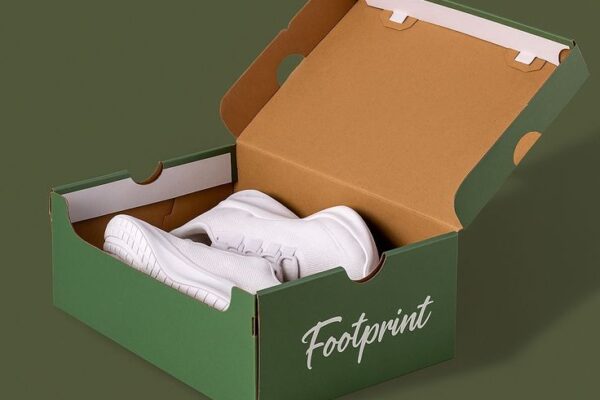
That’s why most shoe sellers who ship or store stock look at corrugated cardboard shoe boxes wholesale in USA rather than basic paperboard. Single wall is usually enough for lighter shoes that don’t sit around long. If you’re packing heavy boots, storing inventory for months, or stacking high, go with double wall. You’ll pay a bit more per box, but far less than you would replacing crushed ones.
Pick the Right Lid
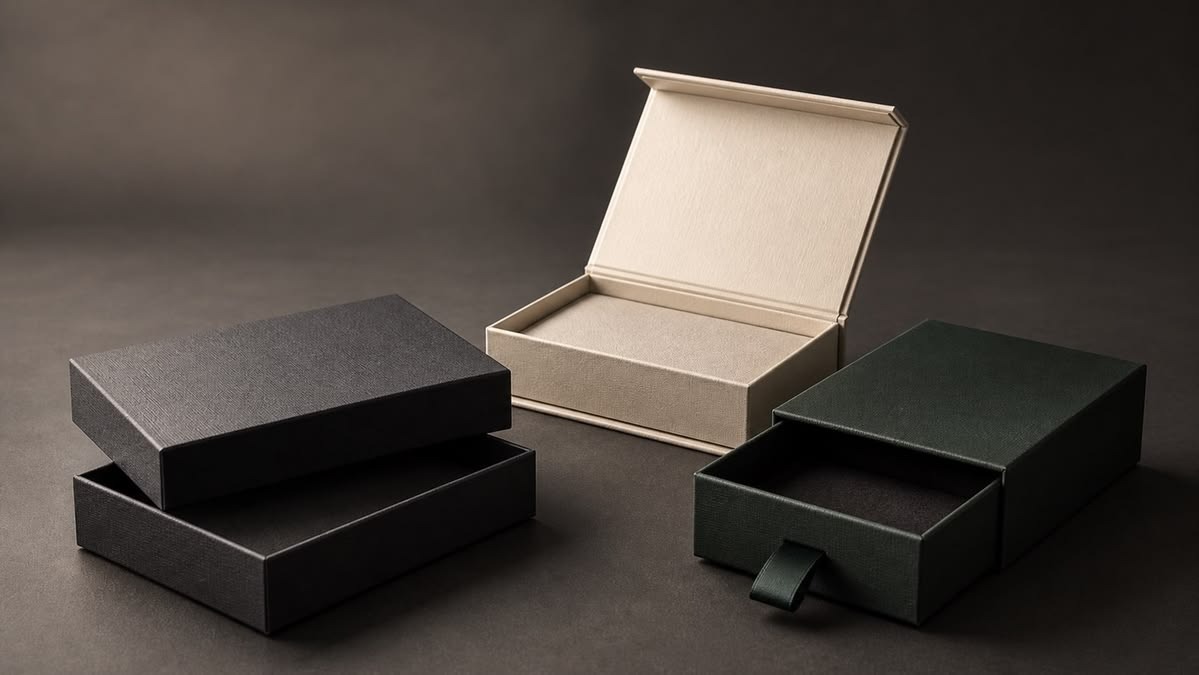
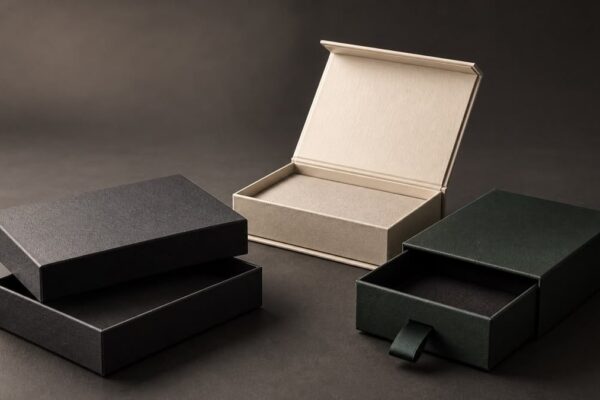
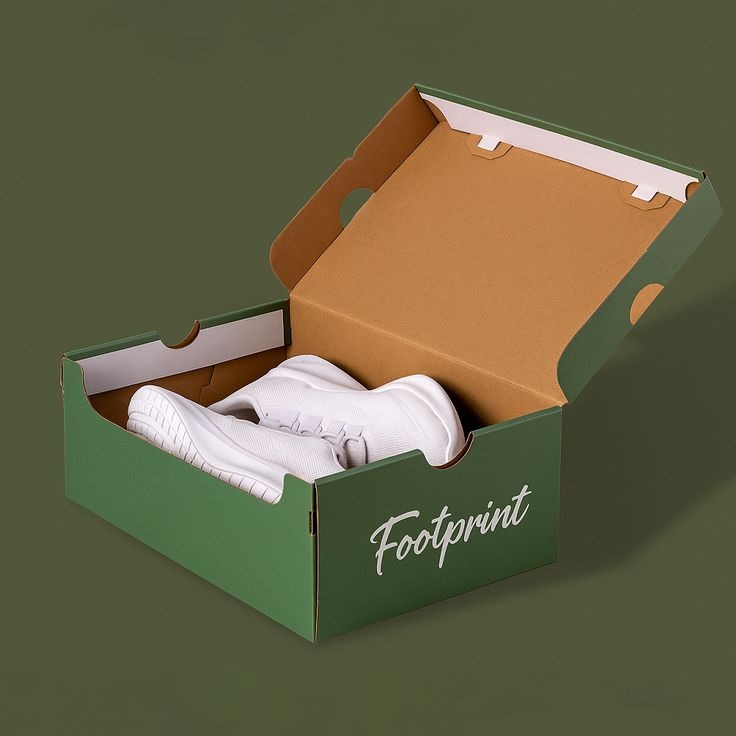
The classic two-piece box, with a separate lid that slips over the base, is popular for good reason. The lid adds its own strength, so stacked weight doesn’t flatten it. A one-piece fold-over box is quicker to assemble and takes up less room before you use it. Both work. Think about where most of your boxes will end up: on a store shelf, in a mailer, or in a back room for six months.
Printing and Minimums
Printing is where the price gets tricky. Setup costs for plates or digital files are spread over the whole run, so the price per box drops fast as quantities go up. The catch is that minimum order sizes can be higher than a small brand expects, especially for full-color jobs.
Before you say yes to a quote, ask:
- Is printing setup included in the price, or billed separately?
- How many ink colors are covered, and what does adding one cost?
- Does the finish (matte, gloss, or plain kraft) change the price?
- What happens if you need a change after approving the proof?
A plain kraft box with a one-color logo is the least expensive option and looks good. Full-color coated boxes pop on a retail shelf but cost quite a bit more. Decide up front how much of your budget goes to looks and how much goes to protection.
Timing and Storage
Custom orders typically take several weeks from the day you approve artwork, and shipping comes after that. If you’re getting ready for back-to-school or the holidays, order sooner than feels necessary. Also find out whether the boxes arrive flat or already assembled. Flat-packed boxes take up a small fraction of the space, which matters a lot when thousands land on your dock at once.
Sustainability
More shoppers notice packaging waste now, and some retailers ask suppliers directly about recycled content. Corrugated is easy to recycle and often has a high share of recycled fiber. If this matters to your brand, get specifics: the recycled content percentage, whether the inks and coatings are recyclable, and whether the supplier can supply certification if a retail partner asks for it.
Test Before You Commit
A spec sheet won’t tell you how a box behaves in real life. Get physical samples, load them with actual shoes, stack a few, and drop one. Leave the stack for a few days and see what happens. Then, once production starts, check a box from the real batch too, because small differences can show up between the sample run and the full order.
Finding a Supplier
A low price doesn’t help if the quality varies from box to box. Look for a supplier that gives straight answers, shows photos from similar jobs, and commits to a timeline. The Premier Packaging is one example of a company that handles bulk shoe packaging for businesses. Get quotes from a few suppliers like it, and you’ll have a much better idea of what a fair price looks like.
Quick Reference Table
| Factor | What to Check | Why It Matters |
| Box size | Measure the largest shoe in each style, packed with tissue or inserts | If the biggest pair fits, the rest will |
| Board strength | Single wall for lighter shoes, double wall for heavy boots or tall stacks | Thin board crushes under weight |
| Material | Corrugated or plain paperboard | Corrugated resists crushing much better |
| Lid style | Two-piece lid or one-piece fold-over | Affects stacking strength, assembly time, and storage space |
| Printing costs | Setup fees, colors included, finish, changes after proof | Extra charges and high minimums are common |
| Print style | One-color kraft or full-color coated | Kraft costs least; coated looks sharper but costs more |
| Lead time | Weeks from artwork approval to delivery, plus shipping | Seasonal orders need to be placed early |
| Delivery format | Flat-packed or pre-assembled | Flat-packed saves a lot of warehouse space |
| Sustainability | Recycled content, recyclable inks and coatings, certification | Retailers and customers increasingly ask |
| Samples | Real shoes, stacking, drop tests, plus a production batch sample | Shows problems a spec sheet can’t |
| Supplier | Clear answers, sample photos, firm timelines, several quotes | Keeps quality consistent across thousands of boxes |
Bottom Line
Most bulk packaging problems come from skipping basic checks. Measure the real shoes, match the board strength to how the boxes will be handled, get printing costs and timelines in writing, and test samples before you place the full order. None of it is hard, but skipping it is how a good deal ends up as a stack of boxes you can’t use.