




What Buyers Should Know Before Sourcing SDIC Granular for Commercial Water Treatment
Commercial water treatment requires reliable disinfectants that can support consistent microbial control, efficient handling, and compliance with relevant quality standards. Municipal facilities, industrial operations, institutional water systems, and sanitation service providers must carefully evaluate chemical products before incorporating them into their treatment processes. Factors such as active chlorine content, product purity, dissolution characteristics, packaging, and supplier reliability can all influence treatment performance.
One product that attracts attention in chlorine-based sanitation is sodium dichloroisocyanurate, commonly known as SDIC. Available in different solid formulations, SDIC Granular provides a convenient format for preparing disinfecting solutions in applications where the product is approved. Its ability to release available chlorine when dissolved makes it useful for selected water treatment and sanitation processes. However, commercial buyers should understand its specifications, application requirements, and handling considerations before placing bulk orders.
What Is SDIC Granular?
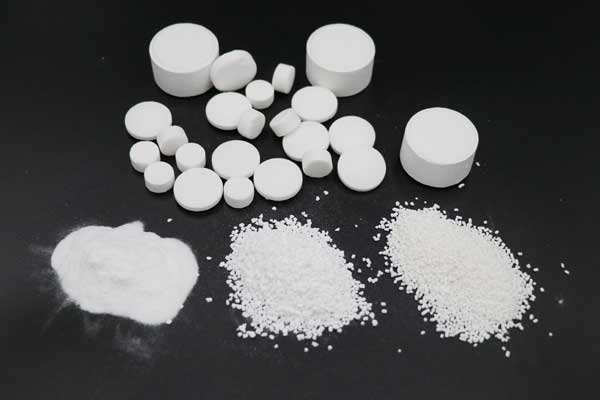
SDIC granular is a solid chlorine-releasing disinfectant made from sodium dichloroisocyanurate. When it dissolves in water, it releases available chlorine, which produces disinfecting species capable of inactivating susceptible bacteria, viruses, and other microorganisms under appropriate conditions.
The granular format offers flexibility in measuring quantities for different treatment volumes. Compared with preformed tablets, granules can be weighed and adjusted according to a specific preparation requirement. This can be useful for commercial facilities that prepare disinfectant solutions in varying quantities.
SDIC is also a stabilized chlorine compound because its chemical structure contains a cyanuric acid component. This helps protect chlorine from ultraviolet degradation in certain outdoor applications, although cyanuric acid accumulation must be considered in systems where the product is used repeatedly.
Important product characteristics include:
- Available chlorine percentage.
- Chemical purity and composition.
- Granule size and physical appearance.
- Dissolution characteristics.
- Moisture content and product stability.
- Packaging specifications and shelf life.
- Intended applications and regulatory approvals.
These details help buyers determine whether a product meets the technical requirements of their water treatment operation.
Why Commercial Buyers Consider SDIC Granular
Selecting a disinfectant for commercial use involves more than comparing purchase prices. Buyers must consider how a product fits into their existing treatment procedures, storage arrangements, and operational requirements.
1. Flexible Quantity Measurement
Granules can be weighed to prepare different solution volumes and concentrations. This flexibility may be valuable for commercial operations where treatment requirements vary according to water volume, contamination levels, or process conditions.
Accurate weighing equipment and product-specific dosing instructions are essential to achieve consistent results.
2. Convenient Solid Form
SDIC granular is generally easier to package and transport than many liquid chlorine products. Its solid form can also support organized inventory management when stored in appropriate conditions.
However, the product must be protected from moisture and incompatible substances throughout transportation and storage.
3. Available Chlorine Release
When dissolved in water, SDIC releases available chlorine that can support microbial control. This makes it suitable for selected water treatment and sanitation applications when the product is approved for the intended purpose.
The actual effectiveness depends on concentration, contact time, water quality, and other operating conditions.
4. Suitability for Different Commercial Requirements
Commercial facilities may require different disinfectant preparation volumes and dosing arrangements. Granular products can offer greater flexibility than fixed-size tablets when quantities need to be adjusted.
This characteristic can make SDIC granular a practical option for certain industrial and institutional sanitation programs.
Important Specifications to Check Before Purchasing
Technical specifications should be among the first considerations when sourcing SDIC granular. They provide information about product quality and help determine whether the disinfectant is appropriate for the intended application.
Available Chlorine Content
Available chlorine is one of the most important indicators of a chlorine-based disinfectant’s capacity. Different SDIC grades may contain different percentages of available chlorine.
Buyers should confirm the stated concentration and compare it with the requirements of their treatment process. Product specifications should clearly identify the chemical composition and relevant performance characteristics.
Purity and Impurity Levels
Product purity can influence consistency and suitability for particular applications. Buyers should request relevant technical documentation and, where appropriate, a certificate of analysis for the supplied batch.
Impurity limits may be especially important in regulated applications, where chemical quality requirements are more demanding.
Granule Size and Appearance
Granule size can affect handling, measurement, and dissolution behavior. Buyers should check whether the physical form is suitable for their dosing equipment and preparation procedures.
The product should have consistent physical characteristics in accordance with the manufacturer’s specifications.
Moisture Content
Moisture exposure can affect the stability and handling properties of solid chlorine products. Commercial buyers should review packaging quality and storage recommendations to reduce the risk of deterioration.
Dissolution Characteristics
The time required for granules to dissolve depends on product formulation, particle size, water temperature, and agitation. Understanding these characteristics helps operators determine whether the product is compatible with their treatment system.
Applications of SDIC Granular in Commercial Water Treatment
SDIC granular may be used in different sanitation settings, depending on product specifications and regulatory approval.
Institutional Water Sanitation
Certain institutional facilities operate water hygiene programs to manage microbial contamination in designated systems. SDIC may be considered when chlorine-based disinfection is suitable and the product is approved for the application.
Treatment procedures should include appropriate preparation, dosing, monitoring, and recordkeeping.
Emergency Water Disinfection
During emergencies or temporary disruptions to water infrastructure, suitable chlorine-based products may support contingency sanitation programs.
SDIC can be convenient to transport in solid form, but only products specifically suitable for the intended water use should be selected. Drinking-water applications require compliance with relevant public-health standards and validated treatment instructions.
Industrial Water Hygiene
Some industrial operations require microbial control in water-related processes. SDIC may be appropriate for selected applications where its chemical properties are compatible with the system.
Operators should evaluate water chemistry, treatment objectives, material compatibility, and applicable discharge requirements before use.
Swimming Pool and Recreational Water Treatment
Certain SDIC products are designed for swimming pool and recreational water sanitation. Their chlorine-releasing and stabilizing properties can support pool maintenance programs.
However, pool-grade products should not automatically be used in drinking-water systems or other regulated applications. Product approval and labeling must be checked carefully.
Factors That Influence Treatment Performance
Even a high-quality disinfectant may not deliver the intended result if application conditions are unsuitable. Commercial buyers should understand the variables that affect chlorine performance.
Chlorine Concentration
The correct available chlorine concentration depends on the application, water volume, contamination level, and target microorganisms.
An insufficient concentration may result in inadequate microbial control, while excessive dosing can create safety concerns and affect water quality.
Contact Time
Microorganisms require sufficient exposure to the active disinfectant. The necessary contact time varies according to the target organism, concentration, water quality, and treatment conditions.
Operators should follow validated procedures and product instructions rather than assuming that rapid dissolution means immediate disinfection.
Water Quality and Organic Matter
Organic substances, suspended particles, and certain chemical compounds can consume available chlorine. These conditions may reduce the amount of active disinfectant remaining in the water.
Pre-treatment or filtration may therefore be necessary, depending on the source water and treatment objective.
pH and Temperature
The pH affects the balance between hypochlorous acid and hypochlorite ions in chlorinated water. Hypochlorous acid generally has stronger disinfecting activity, making pH management important in many treatment systems.
Temperature can also influence chemical reactions and microbial inactivation rates.
SDIC Granular Compared with Other Chlorine Products
Commercial buyers may evaluate SDIC against other chlorine-based disinfectants before selecting a suitable product.
| Feature | SDIC Granular | SDIC Tablets | Sodium Hypochlorite | Calcium Hypochlorite |
|---|---|---|---|---|
| Physical form | Granules | Tablets | Liquid | Powder, granules, or tablets |
| Quantity adjustment | Flexible weighing | Tablet-based measurement | Liquid-volume dosing | Depends on formulation |
| Chlorine stabilization | Contains cyanuric acid | Contains cyanuric acid | No cyanuric acid | No cyanuric acid |
| Storage | Dry, controlled conditions | Dry, controlled conditions | Suitable chemical containers | Strict dry storage |
| Handling considerations | Dust and chemical exposure precautions | Careful tablet handling | Liquid chemical precautions | Careful handling and segregation |
| Typical applications | Selected water and sanitation processes | Selected pool and sanitation programs | Water treatment and surface hygiene | Selected water treatment applications |
The most appropriate choice depends on the treatment system, dosing equipment, storage conditions, product approvals, and operational requirements.
Packaging and Storage Considerations for Bulk Orders
Packaging plays an important role in maintaining product quality during transportation and long-term storage. Commercial buyers should examine packaging specifications before agreeing to large-volume purchases.
Moisture Protection
SDIC granular should be packed in suitable moisture-resistant containers or bags. Damaged or poorly sealed packaging can expose the product to environmental moisture and affect its stability.
Clear Product Identification
Packages should provide clear information about product identity, available chlorine content, batch number, manufacturing date, expiry information, and storage instructions.
This information supports inventory management and traceability.
Storage Conditions
Store the product in a cool, dry, well-ventilated area according to the manufacturer’s recommendations. Keep it away from heat, combustible materials, moisture, acids, and other incompatible chemicals.
Transportation Requirements
Buyers should confirm that the supplier follows appropriate chemical packaging, labeling, and transportation requirements. Bulk shipments should be handled by personnel familiar with the safe transport of oxidizing chemicals.
Safety Requirements for Commercial Handling
SDIC is a chlorine-releasing oxidizing chemical. Its use requires established workplace safety procedures, particularly when handling bulk quantities.
Important precautions include:
- Provide suitable gloves, eye protection, and other protective equipment.
- Avoid inhaling dust during weighing and preparation.
- Use appropriate ventilation in chemical handling areas.
- Never mix SDIC with acids, ammonia, other chlorine products, or incompatible cleaning chemicals.
- Use clean, dry, dedicated equipment for measuring and preparing solutions.
- Keep containers closed when the product is not being used.
- Restrict storage and handling areas to trained personnel.
- Keep the safety data sheet accessible to employees.
Commercial facilities should also establish procedures for spills, accidental exposure, emergency response, and chemical waste management.
How to Evaluate an SDIC Granular Supplier
Choosing a dependable supplier is essential for maintaining consistent product quality and reliable procurement.
Manufacturing Experience
Review the supplier’s manufacturing background, quality control procedures, and ability to maintain consistent product specifications.
Technical Documentation
Request documentation such as:
- Technical data sheets.
- Safety data sheets.
- Certificates of analysis.
- Product specifications.
- Batch traceability information.
- Relevant quality certifications.
Documentation should match the product being supplied rather than provide only general information about SDIC.
Product Consistency
For recurring commercial purchases, consistency between batches is important. Buyers should establish clear specifications and inspection requirements before placing regular orders.
Supply Capacity
Evaluate whether the supplier can meet expected order volumes and delivery schedules. Consistent availability is especially important for facilities that depend on uninterrupted sanitation operations.
Communication and Technical Support
A professional supplier should be able to explain product specifications, packaging options, storage requirements, and application limitations. Clear communication can help prevent purchasing errors and operational problems.
Environmental and Regulatory Considerations
Commercial water treatment must account for environmental responsibilities and local regulations. Chlorine can react with organic matter and may contribute to the formation of disinfection by-products under certain conditions.
Operators should monitor relevant water-quality parameters and follow applicable standards for residual chlorine, wastewater discharge, and chemical handling.
For products containing cyanuric acid, repeated use can also lead to accumulation in certain water systems. This should be considered when developing long-term treatment procedures.
Buyers should verify that the selected SDIC product is approved for the intended use and that its application complies with local regulatory requirements.
Conclusion
Sourcing SDIC granular for commercial water treatment requires careful evaluation of product specifications, available chlorine content, purity, dissolution characteristics, packaging, and supplier reliability. Its solid formulation and flexible quantity measurement make it a practical option for selected water sanitation and industrial hygiene applications.
However, product quality alone does not guarantee effective treatment. Correct concentration, sufficient contact time, suitable water conditions, safe storage, and trained handling are all essential. Commercial buyers should also verify application approvals and request appropriate technical documentation before purchasing.
By evaluating these factors systematically, organizations can select a suitable SDIC granular product and build a more consistent, safe, and reliable water sanitation program.