




Wall Mounted Vs Floor Standing Wudu Sink: Which One Is Better?
Choosing bathroom fixtures involves more than finding a design that matches the interior. Homeowners also need to consider how each fixture fits into their daily routines. This is particularly important when planning a dedicated ablution area, where comfort, accessibility, and available space all affect the washing experience.
A Wudu sink can come in different installation styles, with wall-mounted and floor-standing models among the options worth considering. Both designs serve the same basic purpose, yet they differ in installation requirements, floor space, cleaning, and overall appearance. Understanding these differences makes it easier to choose a model that suits your bathroom layout and household needs.
What Is The Difference Between Wall Mounted And Floor Standing Wudu Sinks?
The main difference comes down to how each basin connects to the bathroom structure.
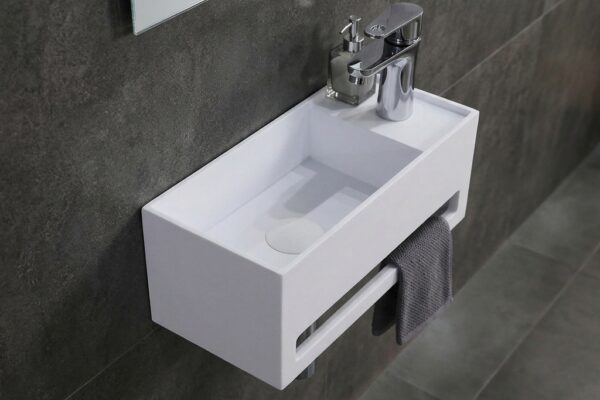
A wall-mounted model attaches directly to the wall, leaving the floor underneath mostly open. Its installation depends on suitable wall support and properly positioned plumbing connections.
A floor-standing model rests on the bathroom floor and may use a pedestal, base, or supporting structure. It generally has a more substantial appearance and can conceal some plumbing connections within its base.
Neither option automatically works better for every bathroom. The right choice depends on the installation area, available support, user preferences, and maintenance requirements.
Wall Mounted Wudu Sink: Features And Benefits
Wall-mounted basins suit bathrooms where homeowners prefer an open layout and a simple appearance. Their raised installation also provides flexibility when planning the surrounding floor space.
Saves Floor Space
One of the main advantages of a wall-mounted basin is the open area underneath. This arrangement makes the bathroom appear less crowded and provides more room for movement.
It works particularly well in smaller bathrooms where every available section matters. Users can also clean the floor underneath without moving around a bulky base.
Offers Flexible Installation Height
A wall-mounted model allows installers to select a suitable height according to the household’s requirements. This can make daily washing more comfortable for people of different heights.
The installation also provides an opportunity to plan the basin around nearby fixtures and the intended foot-washing arrangement.
Creates A Modern Appearance
Wall-mounted basins often have clean lines and a minimal design. They work well with contemporary bathroom interiors that use simple colors, concealed plumbing, and uncluttered surfaces.
Homeowners can pair them with wall-mounted faucets and coordinated bathroom fittings for a consistent appearance.
Makes Floor Cleaning Easier
Since the basin does not extend down to the floor, there are fewer surfaces where dirt and water residue can collect.
This arrangement can make routine cleaning easier, particularly in an ablution area that experiences frequent water use.
Limitations Of Wall Mounted Models
Despite their advantages, wall-mounted basins require careful installation.
The wall must support the combined weight of the fixture and the pressure created during regular use. Weak walls may require additional reinforcement before installation.
Plumbing connections also need accurate positioning. Any mistake during the initial installation can lead to additional repair work later.
Floor Standing Wudu Sink: Features And Benefits
Floor-standing basins provide a different approach to bathroom installation. Their base rests directly on the floor, creating a stable and more traditional fixture arrangement.
Provides A Supported Structure
A floor-standing basin transfers much of its weight to the floor rather than relying entirely on wall brackets.
This makes it a suitable option when the bathroom wall cannot support a heavy fixture without additional reinforcement. However, the floor must still provide a level and stable surface.
Can Conceal Plumbing Connections
Many floor-standing designs include a pedestal or enclosed base that covers the drainage pipe and other connections.
This creates a tidy appearance without requiring all plumbing components to remain visible. It may also reduce the need for additional decorative covers around the installation.
Suits Larger Bathroom Layouts
Floor-standing basins can work well in spacious bathrooms where there is enough room for a larger fixture.
Their solid appearance can also complement traditional interiors, natural stone finishes, and bathrooms with other floor-mounted fittings.
Offers Different Design Options
These models come in different shapes, sizes, and base configurations. Homeowners can select a design that matches the bathroom’s overall style.
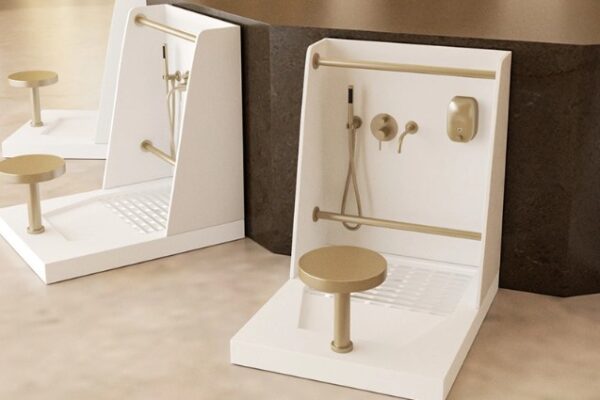
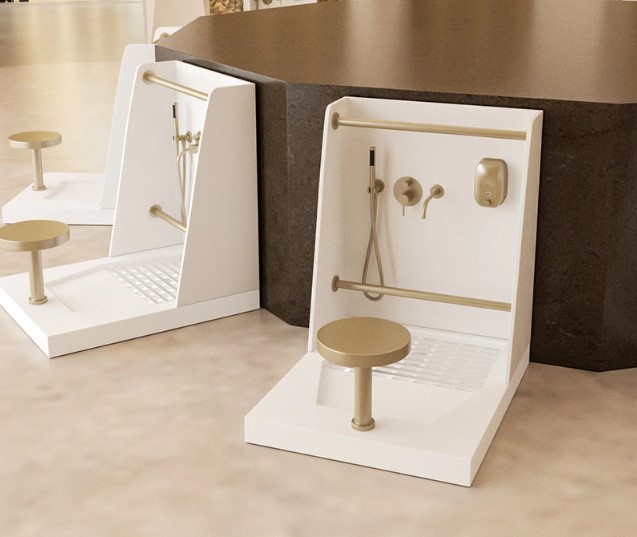
Some options feature a separate lower section for foot washing, depending on the manufacturer’s design.
Limitations Of Floor Standing Models
The base occupies floor space and may make smaller bathrooms feel more crowded. Cleaning around the bottom can also require additional attention, especially where water collects near the edges.
The installation position is usually less flexible once the drainage and water connections have been prepared.
Wall Mounted Vs Floor Standing Wudu Sink: A Direct Comparison
Both installation styles have useful features, yet their practical differences become clearer when compared side by side.
| Comparison Factor | Wall Mounted Model | Floor Standing Model |
| Installation | Attached to the wall | Rests on the floor |
| Floor space | Leaves more open space | Occupies space around its base |
| Wall support | Requires suitable reinforcement | Usually needs less wall support |
| Cleaning | Easier access underneath | Requires cleaning around the base |
| Height adjustment | More flexible during installation | Depends more on the model |
| Plumbing | Connections may remain visible or concealed | Often concealed within the base |
| Appearance | Modern and minimal | Solid and traditional |
| Small bathrooms | Often more suitable | May occupy too much space |
| Installation planning | Requires accurate wall preparation | Requires suitable floor and plumbing preparation |
This comparison provides a starting point, yet the actual dimensions and construction of individual models also matter.
Which Wudu Sink Is Better For A Small Bathroom?
A wall-mounted model is generally the more practical option for a small bathroom. Its open underside helps preserve floor space and makes the room feel less restricted.
It also provides more freedom when arranging nearby storage and other bathroom fixtures. Homeowners can select a compact basin and position it at a comfortable height.
However, check the wall construction before making a decision. A small bathroom with weak or unsuitable wall support may require reinforcement, which can affect the overall installation cost.
A compact floor-standing model remains an option when wall mounting is not practical. Just make sure its base does not interfere with movement around the washing area.
Which Option Works Better In A Large Bathroom?
A larger bathroom gives homeowners more flexibility, so either installation style may work.
A wall-mounted basin suits modern interiors where open floor space and simple lines are important. It can also work well as part of a customized ablution station with separate washing sections.
A floor-standing model may suit homeowners who prefer a more substantial fixture. It can become part of a dedicated washing area without requiring the entire bathroom layout to follow a minimal design.
For family bathrooms, consider the number of regular users and the amount of space needed around the basin. A comfortable washing area matters more than the installation style alone.
What About Installation And Maintenance Costs?
The total cost depends on the basin material, dimensions, plumbing arrangement, and labor requirements. The installation style can also affect how much preparation the bathroom needs.
Wall Mounted Installation Costs
Wall-mounted basins may require additional wall reinforcement, especially when the existing structure does not provide enough support.
Installers also need to position mounting brackets, water connections, and drainage outlets accurately. These preparation requirements can increase installation costs.
However, the simpler floor area may reduce some cleaning and maintenance effort over time.
Floor Standing Installation Costs
Floor-standing models may require less wall preparation, particularly when the existing bathroom structure cannot support a wall-mounted fixture.
Their installation still depends on proper floor leveling and compatible plumbing connections. Models with enclosed bases may also require careful access planning for future repairs.
Compare the complete installation requirements rather than judging the cost by the basin’s purchase price alone.
How To Choose The Right Material For Your Wudu Sink
Material quality affects the basin’s appearance, durability, and maintenance requirements. Both wall-mounted and floor-standing models are available in different materials.
Ceramic And Porcelain
Ceramic and porcelain remain common choices for bathroom fixtures. Their smooth surfaces are easy to clean and work with a wide range of interior styles.
They are available in different shapes and finishes, making them suitable for both installation types. However, heavy impacts may cause chips or cracks.
Solid Surface Materials
Solid surface materials offer greater flexibility in basin shapes and customized designs. They also provide a smooth finish that supports routine cleaning.
Homeowners comparing contemporary bathroom fixtures can explore solid surface products from Kingkonree. The brand offers options for different bathroom applications, making its material and design specifications worth reviewing during the selection process.
Natural Stone
Natural stone creates a distinctive appearance and can complement bathrooms with premium finishes. Marble and other stone varieties work with both traditional and modern interiors.
However, maintenance requirements vary according to the stone type. Some surfaces need sealing and special cleaning products to maintain their condition.
Important Factors To Check Before Installation
Before purchasing either model, review the practical requirements of your bathroom.
- Wall strength: Confirm that the wall can support a wall-mounted basin and its mounting hardware.
- Floor condition: Check that the installation surface is level and suitable for a floor-standing model.
- Drainage position: Make sure the basin outlet matches the existing plumbing arrangement.
- Faucet placement: Select a faucet that provides comfortable access and controls water splashing.
- Foot-washing space: Check whether the design includes enough room for comfortable foot washing.
- User accessibility: Consider the needs of children, older adults, and other regular users.
- Maintenance access: Make sure plumbing connections remain accessible for future repairs.
These checks help prevent problems that may otherwise appear after the basin has been installed.
Why Consider Kingkonree When Comparing Bathroom Basins?
Selecting a bathroom basin involves comparing more than its shape and installation method. Material quality, surface finish, available dimensions, and customization options also influence the final decision.
Kingkonree offers solid surface bathroom products and sanitary ware solutions for different interior requirements. Homeowners planning a new ablution area can review its product specifications and compare available designs according to their space and installation needs.
When evaluating any manufacturer, check the product dimensions, material details, cleaning instructions, and installation recommendations. This helps ensure that the selected fixture suits the intended application.
Final Thoughts
Wall-mounted and floor-standing wudu basins serve the same purpose, yet each offers different practical advantages. Wall-mounted models work well in compact bathrooms and contemporary interiors where open floor space matters. Floor-standing designs suit homeowners who prefer a supported base and a more substantial fixture.
The better option depends on your bathroom dimensions, wall construction, plumbing arrangement, and household requirements. Compare these details before purchasing, and give equal attention to comfort, drainage, and maintenance.
A carefully selected basin will make the ablution area easier to use and help maintain a bathroom layout that remains practical for everyday needs.