




How Metro Transformers Support Safe and Reliable Urban Railway Operations
Urban railway systems depend on a stable and reliable electrical supply to keep trains moving, stations operating, and passenger services running smoothly. From traction power equipment to station lighting, ventilation, signaling, and communication systems, every part of a metro network requires carefully managed electricity. Transformers play an essential role in distributing power at the correct voltage while helping maintain operational safety and efficiency.
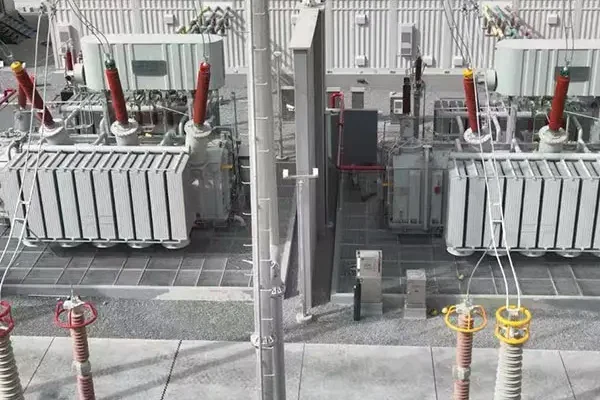
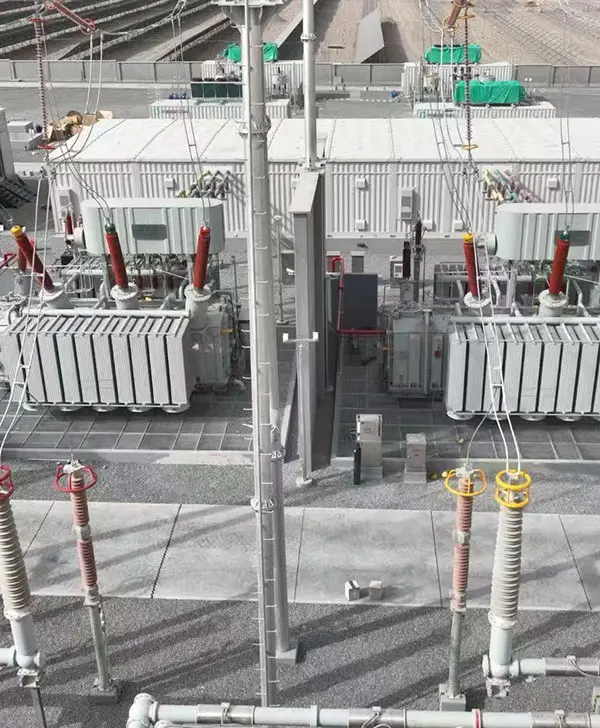
A properly selected Metro Transformer supports the electrical infrastructure required for modern urban railways. By providing suitable voltage conversion, reliable power distribution, and compatibility with railway operating conditions, these transformers help reduce electrical disruptions and support the long-term performance of metro networks.
Understanding the Role of Transformers in Metro Systems
Metro railways use complex electrical networks to supply power to trains and supporting infrastructure. Depending on the system design, electricity may be received from the utility grid at high or medium voltage before being distributed to traction substations and station-level electrical equipment.
Transformers adjust voltage levels to meet the requirements of different railway applications. In traction substations, they may supply equipment used to convert incoming AC power into the DC or AC power required by the traction system. Other transformers provide electricity for station facilities, tunnel ventilation, lighting, escalators, lifts, and control equipment.
The precise configuration depends on the railway’s traction technology, network voltage, power demand, and operating requirements.
How Metro Transformers Support Railway Operations
1. Providing Stable Power for Train Movement
Electric trains require a dependable power supply to accelerate, maintain speed, and operate safely along their routes. Traction substations form a critical part of this supply network, and transformers help deliver electricity at the voltage required by the traction power conversion equipment.
In DC railway systems, transformers commonly supply rectifiers that convert AC electricity into DC power. In AC railway systems, transformer arrangements depend on the traction supply voltage and network configuration.
Correct equipment sizing helps accommodate variations in train demand, including high power consumption during acceleration and changing loads throughout the day.
2. Supporting Station Electrical Infrastructure
Metro stations contain numerous electrical systems that must operate consistently to maintain passenger comfort and safety. These include lighting, escalators, lifts, ventilation, air conditioning, ticketing equipment, and public information displays.
Distribution transformers provide suitable voltage levels for these systems. Their capacity must account for both normal operating demand and the additional requirements of equipment that may start or operate simultaneously.
Reliable station power is particularly important in underground environments, where ventilation, emergency lighting, and other essential services contribute to safe operations.
3. Improving Power Distribution Efficiency
Electrical energy can be lost as heat during transmission and transformation. Selecting transformers with appropriate ratings and low-loss designs helps reduce these losses and improve the overall efficiency of railway electrical infrastructure.
Efficiency depends on factors such as core materials, winding design, loading patterns, and operating temperature. Since metro systems often operate for extended hours, reducing unnecessary transformer losses can provide meaningful energy savings over the equipment’s service life.
Efficient power distribution also helps limit avoidable heat generation in electrical rooms and substations.
Essential Types of Transformers Used in Metro Railways
Different railway applications require different transformer designs. The main categories depend on whether the equipment serves traction power, auxiliary loads, or specialized electrical systems.
Traction Transformers
Traction transformers support the supply of electrical power used to operate trains. Their design depends on the railway’s traction technology and may involve supplying rectifiers, converters, or traction power distribution equipment.
These transformers must accommodate demanding electrical conditions, including rapidly changing loads and, where applicable, harmonic currents produced by power electronic equipment. Thermal performance, insulation strength, and short-circuit withstand capability are important design considerations.
Auxiliary Power Transformers
Auxiliary transformers supply non-traction loads across metro infrastructure. They may serve station equipment, depots, workshops, tunnel systems, and other operational facilities.
Their design should account for continuous electrical demand, motor starting requirements, environmental conditions, and the importance of the connected loads. Some facilities also require separate supplies for essential services to support resilience during power interruptions.
Distribution Transformers
Distribution transformers reduce medium voltage to the lower voltage levels needed by local electrical systems. They are commonly used in station buildings, maintenance facilities, and supporting infrastructure.
Depending on the installation, oil-immersed or dry-type designs may be appropriate. Indoor locations with specific fire-safety or environmental requirements may favor dry-type equipment, while other installations may use oil-immersed units where their design and safety provisions are suitable.
Isolation and Specialized Transformers
Some railway systems use isolation transformers or specialized transformer arrangements to address electrical separation, power quality, control, or equipment interface requirements.
Their application depends on the system design and relevant electrical standards. Engineers must determine whether isolation is required and select equipment with suitable electrical ratings and protective measures.
Important Design Requirements for Metro Transformers
Metro environments place particular demands on electrical equipment. Transformer selection must consider operating performance, passenger safety, installation constraints, and long-term maintenance.
Electrical Capacity and Load Characteristics
Engineers need to evaluate expected demand, peak loading, short-duration overloads where permitted, and the possibility of future service expansion.
Train acceleration and braking can cause significant changes in traction power demand. Regenerative braking may also return energy to the electrical network, depending on the train and substation design.
A detailed load assessment helps determine transformer ratings and supports coordination with rectifiers, converters, switchgear, and protective devices.
Insulation and Thermal Performance
Transformers generate heat during operation, and excessive temperatures can accelerate insulation deterioration. Effective cooling and suitable insulation systems are therefore essential for long-term reliability.
Designers should account for ambient temperatures, ventilation, enclosure conditions, and the expected load profile. Underground substations and enclosed station rooms may require particular attention to heat removal and access for maintenance.
Harmonics and Power Quality
Modern metro trains often use power electronic converters that can introduce harmonic currents into electrical systems. If these effects are not properly considered, they may increase transformer heating and affect other connected equipment.
Harmonic studies help engineers assess distortion levels and determine whether specialized transformer designs, appropriate ratings, or additional mitigation measures are required.
Power quality assessments should also consider voltage fluctuations, reactive power needs, and interactions between traction equipment and the upstream supply network.
Fire Safety and Environmental Protection
Metro transformers may be installed in confined spaces, underground stations, tunnels, or locations with restricted emergency access. These conditions make fire safety and environmental protection important considerations.
The selection process should evaluate insulation materials, fire performance, liquid containment where applicable, ventilation, enclosure protection, and compliance with local railway and building regulations.
The appropriate design depends on the installation and the hazards identified during project risk assessments.
How Metro Transformers Improve Electrical Safety
Electrical safety in metro networks depends on coordinated protection systems and suitable equipment design. Transformers must operate alongside circuit breakers, protective relays, grounding systems, and monitoring equipment.
Protective relays can identify abnormal conditions such as overcurrent, earth faults, and internal transformer faults. When configured correctly, they initiate the appropriate protective response to isolate affected equipment and reduce the risk of further damage.
Additional safety measures may include temperature monitoring, pressure-relief devices where applicable, electrical interlocks, and suitable grounding arrangements.
Regular testing and maintenance are necessary to confirm that these protective systems continue to function as intended. Transformer safety should always be considered as part of the wider railway electrical design rather than as an isolated equipment feature.
Maintenance Practices for Reliable Metro Operations
Unexpected transformer failures can disrupt train services and affect essential station functions. Preventive maintenance helps identify developing problems before they cause major interruptions.
A maintenance program may include:
- Inspecting bushings, cable connections, terminals, and accessible insulation components.
- Monitoring transformer temperature, loading, and unusual operating conditions.
- Checking cooling fans, pumps, ventilation pathways, and other cooling equipment.
- Testing protective relays, alarms, and associated control circuits.
- Evaluating insulating oil condition for oil-filled transformers according to the maintenance plan.
- Reviewing fault records and monitoring data to identify recurring issues.
Maintenance intervals should reflect manufacturer recommendations, equipment criticality, operating conditions, and railway safety requirements.
Condition monitoring can further support maintenance planning by identifying unusual temperature changes, abnormal loading, or other indicators of potential deterioration.
The Role of Smart Monitoring in Metro Power Systems
Digital monitoring technologies are becoming increasingly valuable in railway electrical infrastructure. Sensors and intelligent monitoring systems can collect information about transformer temperature, electrical loading, voltage conditions, and selected equipment parameters.
When integrated with a railway’s supervisory control and data acquisition system, this information can help operators assess equipment status and identify developing problems more quickly.
Remote monitoring is particularly useful for substations located in tunnels or restricted-access areas, where physical inspections may require additional planning. However, monitoring systems must be properly configured, maintained, and supported by procedures that ensure alerts lead to appropriate action.
Data analysis can also help operators identify recurring faults and refine maintenance schedules based on actual operating conditions.
Challenges in Metro Transformer Installation
Installing transformers in metro infrastructure involves practical challenges beyond electrical performance. Space limitations, restricted transportation routes, ventilation requirements, vibration, and maintenance access can all influence equipment selection and installation planning.
Underground facilities may require transformers to be transported through limited access points and installed within tightly constrained electrical rooms. Engineers must also coordinate equipment foundations, cable routing, fire protection, drainage, and emergency access.
In addition, installation and maintenance activities must be planned around railway operating schedules and site safety procedures. Early coordination among electrical engineers, civil contractors, railway operators, and equipment manufacturers can reduce delays and avoid costly design changes.
Choosing the Right Transformer for a Metro Project
Selecting suitable equipment begins with a clear understanding of the railway’s electrical architecture and operational priorities. Project teams should evaluate the intended application, rated capacity, voltage requirements, insulation system, cooling method, and environmental conditions.
Compliance with applicable standards is equally important. Depending on the equipment and project, relevant requirements may include IEC 60076 for power transformers, IEC 62271 for applicable switchgear, and additional railway-specific, fire-safety, and national regulations.
Buyers should also review manufacturing quality, routine and type-test documentation where applicable, warranty conditions, spare parts availability, and technical support. Considering these factors together helps ensure that the selected equipment meets both immediate project needs and long-term reliability goals.
Conclusion
Metro transformers are essential to the reliable operation of urban railway networks. They support traction power conversion, station electricity distribution, and the operation of critical systems that contribute to passenger safety and service continuity.
Their performance depends on correct sizing, suitable insulation and cooling, power quality management, coordinated protection, and regular maintenance. As cities continue to expand their metro networks, well-designed transformer systems will remain an important part of building efficient, dependable, and resilient urban transportation infrastructure.