


How Giant Dinosaur Statues Are Designed and Fabricated for Outdoor Attractions
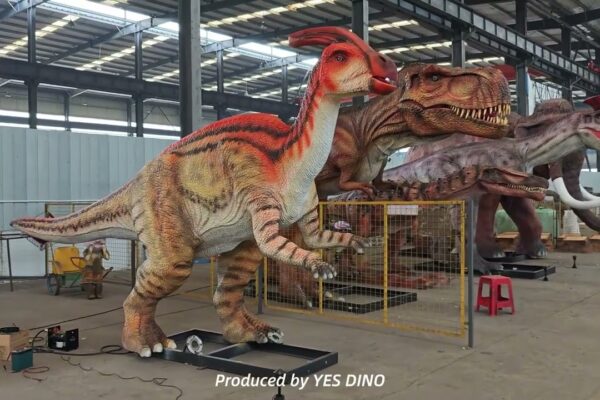
Giant dinosaur statues have become striking features of theme parks, museums, recreational destinations, and outdoor exhibitions. Their impressive size, recognizable shapes, and detailed surfaces can transform an ordinary open space into an engaging prehistoric environment. However, creating these large installations requires much more than artistic sculpting. Designers and manufacturers must consider structural stability, material selection, weather resistance, transportation, and installation from the beginning.
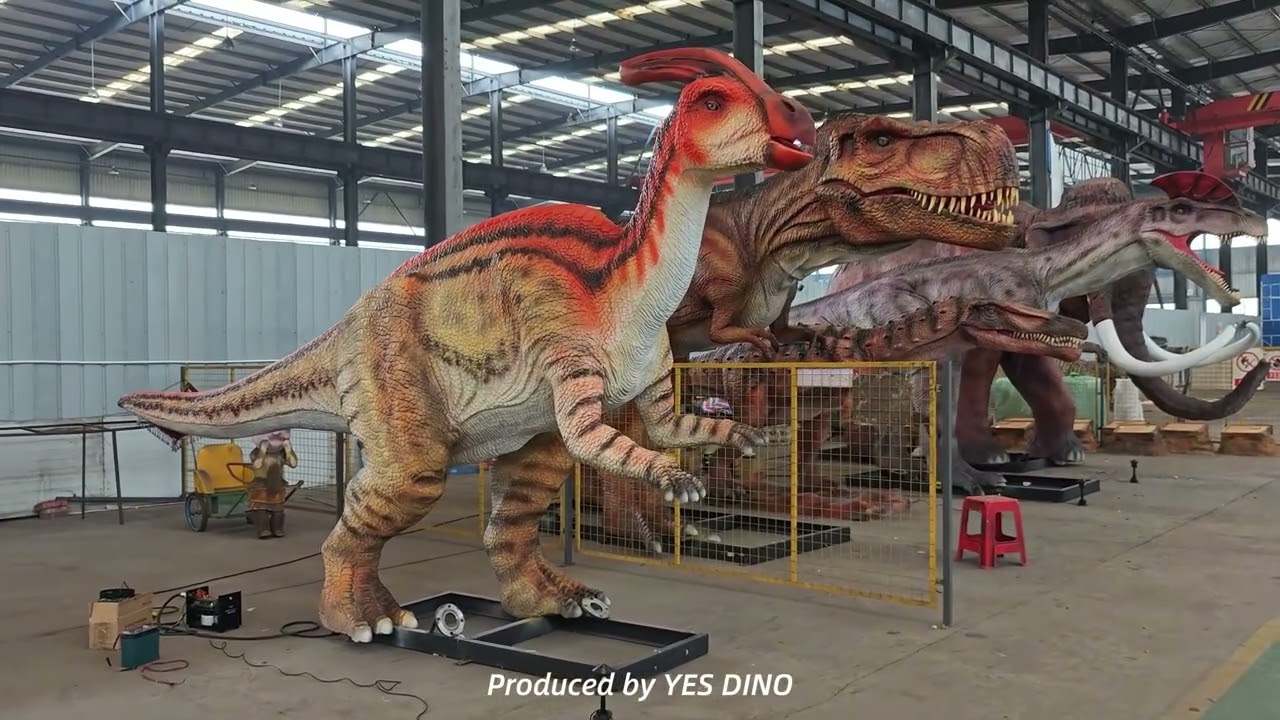
To Fabricate Giant Dinosaur Statues successfully, manufacturers combine creative design with engineering expertise and specialized production techniques. Every stage, from the initial concept to the final outdoor installation, contributes to the statue’s appearance, durability, and long-term performance.
Understanding the Design Process
The first step in creating a giant dinosaur statue is establishing its purpose and intended environment. A dinosaur designed for a theme park entrance may need a different appearance and structural configuration from one displayed in a museum garden or along an outdoor educational trail.
Design teams typically evaluate the available space, expected viewing distance, environmental conditions, and the audience the installation is intended to attract. These factors influence the statue’s dimensions, pose, surface details, and overall construction method.
Selecting the Dinosaur Species
The chosen species provides the foundation for the design. Popular options include Tyrannosaurus rex, Triceratops, Brachiosaurus, and Spinosaurus, each with distinctive anatomical features.
For example, a Tyrannosaurus rex statue may emphasize a large skull and powerful hind limbs, while a Brachiosaurus installation requires a long neck and a carefully supported body structure. A Spinosaurus design often highlights its elongated snout and prominent back sail.
Designers use fossil references, scientific illustrations, and anatomical reconstructions to guide these decisions. Although some details, such as skin coloration, remain uncertain for extinct species, a scientifically informed approach helps create a recognizable and convincing figure.
Creating Initial Sketches and Digital Models
Once the species and overall concept are established, designers develop sketches or digital models to determine the statue’s proportions and pose.
Three-dimensional modeling software allows teams to examine the design from multiple angles and identify potential construction challenges before fabrication begins. It can also help estimate material requirements and plan how large components will fit together.
For oversized statues, digital planning is particularly valuable because small design errors can become expensive to correct after production has started.
Choosing Materials for Outdoor Dinosaur Statues
Material selection directly affects a statue’s weight, appearance, structural strength, and resistance to environmental exposure. The most suitable material depends on the project’s scale, budget, required level of detail, and expected service life.
Fiberglass-Reinforced Plastic
Fiberglass-reinforced plastic, commonly called FRP or fiberglass, is frequently used for large decorative sculptures. It combines relatively low weight with good strength and allows manufacturers to reproduce detailed shapes.
Fiberglass is useful when a statue needs a detailed exterior without the excessive weight of a solid structure. It can also be produced in sections, making transportation and assembly more manageable.
For outdoor applications, appropriate resin systems, surface coatings, and maintenance practices help protect the material from moisture and ultraviolet exposure.
Steel Frameworks
Large dinosaur statues often require an internal framework to support their shape and transfer loads safely to the foundation. Steel is commonly used for this purpose because it offers substantial structural strength.
The framework must be designed according to the statue’s dimensions, weight distribution, installation conditions, and anticipated environmental forces. Wind loads are especially important for tall figures or designs with broad surfaces.
Protective treatments and suitable detailing help reduce corrosion risks, particularly in locations exposed to rain, humidity, or coastal conditions.
Foam and Sculpting Materials
Foam-based materials may be used during the sculpting stage to develop the dinosaur’s body shape and surface contours. Depending on the production method, they can also form part of the finished construction.
Sculpting foam is useful for producing complex organic forms, including scales, folds, facial features, and muscular contours. However, exposed foam generally requires suitable protective layers when used in an outdoor installation.
The complete material system must be selected with durability, surface quality, and environmental exposure in mind.
How Giant Dinosaur Statues Are Fabricated
The fabrication stage turns a concept into a physical structure. Although methods differ between manufacturers and projects, large outdoor dinosaur statues commonly follow a sequence of structural construction, sculpting, surface preparation, finishing, and assembly.
Building the Internal Structure
Fabrication often begins with the supporting framework. Engineers and fabricators construct a structure that maintains the dinosaur’s intended shape while supporting its own weight and resisting external forces.
The framework may include reinforced joints, mounting points, and connections designed for transportation and installation. Its configuration depends on the statue’s pose and the materials used for the exterior.
Structural planning is particularly important for statues with extended necks, raised tails, or large sails because these features can affect balance and create additional wind loads.
Shaping the Dinosaur’s Body
Once the supporting structure is prepared, the exterior form is developed using sculpting, molding, or other fabrication techniques.
Some projects begin with a hand-sculpted master model, while others use digitally modeled forms to guide CNC machining or mold production. The selected process depends on the complexity of the design and the required production quantity.
Artists refine the body contours, facial expression, limbs, and other identifying characteristics. At this stage, the overall silhouette is especially important because it determines whether the finished statue looks anatomically coherent from a distance.
Creating Detailed Surface Textures
Surface details give a dinosaur statue its distinctive character. Artists may add scales, wrinkles, skin folds, claws, teeth, and other features that help distinguish one species from another.
Texture should be designed according to the viewing distance and overall dimensions. Details that look impressive on a small model may become difficult to see on a large outdoor statue unless their scale and depth are adjusted appropriately.
Consistent detailing also helps the separate sections of a large statue look like parts of one continuous figure.
Applying Paint and Protective Coatings
Painting transforms the sculpted surface into a finished visual presentation. Artists typically apply a base coat followed by additional colors, shading, and highlights to emphasize the dinosaur’s anatomy.
Naturalistic color palettes can help the statue blend into an outdoor landscape, while brighter colors may suit family entertainment venues that favor a more playful aesthetic.
Because the actual coloration of many dinosaurs is unknown, these choices are generally artistic interpretations rather than confirmed scientific reconstructions.
Protective topcoats can help preserve the paintwork against ultraviolet exposure, moisture, and routine cleaning. The selected coating must be compatible with the underlying materials.
Engineering Considerations for Large Outdoor Installations
A giant dinosaur statue must remain stable throughout its intended service life. Its size and shape introduce structural challenges that are less significant for smaller decorative figures.
Wind Resistance and Structural Stability
Wind can exert substantial pressure on a large statue, particularly when the design includes broad surfaces such as a sail, raised limbs, or an extended neck.
Engineers assess the installation site, statue geometry, structural connections, and applicable building requirements to determine the necessary support system. Depending on the project, structural calculations or additional engineering assessments may be required.
The foundation and anchoring system must also be appropriate for the ground conditions and expected loads. A visually impressive statue is only suitable for outdoor use when its structure has been designed for the installation environment.
Weather Protection
Outdoor sculptures are exposed to changing temperatures, rain, sunlight, dust, and sometimes snow or high humidity. These conditions can gradually affect paint, joints, coatings, and exposed structural components.
Material selection should therefore account for local weather patterns. Drainage, sealed connections, corrosion protection, and UV-resistant finishes can all contribute to long-term durability.
In particularly harsh environments, designers may need to specify additional protective measures or more frequent inspections.
Visitor Safety
Statues installed in public areas must be designed and positioned with visitors in mind. Sharp projections, accessible climbing points, unstable components, and poorly protected structural elements can introduce unnecessary risks.
Appropriate barriers, secure anchoring, safe clearances, and suitable surface finishes help reduce these hazards. Installation planning should also consider nearby pathways, emergency access, and the possibility of visitors gathering around the statue.
Transportation and On-Site Installation
Transporting a giant dinosaur statue can be as challenging as fabricating it. A fully assembled sculpture may exceed the dimensions or weight limits permitted for ordinary road transport.
To address this issue, manufacturers may divide the statue into manageable sections. These components can then be transported separately and assembled at the destination.
Before shipping, the team should confirm the dimensions, lifting points, component weights, and assembly sequence. Clear documentation helps prevent damage and reduces confusion during installation.
At the site, the foundation must be prepared and inspected before the statue is positioned. Lifting equipment, anchoring hardware, and qualified installation personnel may be required, depending on the scale and complexity of the project.
Once assembly is complete, the team should inspect the structural connections, exterior finish, and overall stability before the installation opens to visitors.
Customization for Theme Parks and Tourist Attractions
Custom fabrication allows outdoor dinosaur statues to reflect the identity and purpose of a specific attraction. Instead of selecting a generic model, a venue can develop a design that suits its landscape, visitor demographic, and educational goals.
Customization may include:
- Species and pose: Choosing a dinosaur and posture that suit the available space.
- Size and proportions: Adjusting dimensions to create a focal point or fit a particular viewing area.
- Color scheme: Coordinating the finish with surrounding architecture and landscape design.
- Surface detailing: Selecting the desired level of realism for the intended audience.
- Installation configuration: Planning foundations, mounting points, and sectional construction around site requirements.
A custom statue can also become part of a broader prehistoric theme, supported by informational signs, fossil replicas, landscaping, and other dinosaur displays.
The most effective designs balance visual impact with practical considerations such as maintenance access, visitor flow, and structural requirements.
Maintenance and Long-Term Durability
Even well-fabricated outdoor dinosaur statues need periodic inspection and maintenance. Environmental exposure and normal wear can gradually affect the exterior finish, structural connections, and protective coatings.
A practical maintenance plan should include regular checks for cracks, loose fasteners, corrosion, fading paint, and signs of water penetration. Any damage to protective coatings should be assessed and repaired using compatible materials.
Cleaning procedures should also match the statue’s construction. Abrasive tools or unsuitable chemicals may damage the paint or exterior surface, so maintenance teams should follow the manufacturer’s recommendations.
Keeping records of inspections and repairs helps operators identify recurring problems and plan maintenance before deterioration becomes extensive.
Common Challenges in Dinosaur Statue Fabrication
Producing a large outdoor sculpture involves balancing artistic ambition with engineering and budget constraints.
One common challenge is maintaining accurate proportions as the design increases in size. Another is ensuring that complex shapes remain structurally sound without compromising the intended appearance.
Material compatibility can also be difficult, especially when rigid frameworks and flexible exterior layers must work together under changing temperatures. Transportation limitations and site access may further influence how the statue is divided and assembled.
These challenges are easier to manage when designers, engineers, artists, and installation teams collaborate from the beginning. Early coordination reduces the likelihood of expensive changes during fabrication or installation.
Conclusion
Giant dinosaur statues combine artistic creativity, engineering, and specialized fabrication techniques to create memorable outdoor attractions. From species selection and digital modeling to structural construction, surface detailing, protective coatings, and final installation, each stage contributes to the quality of the finished sculpture.
Long-term success depends on more than appearance alone. Appropriate materials, sound structural design, weather protection, safe installation, and regular maintenance are essential for ensuring that a giant dinosaur statue remains an impressive feature of an outdoor environment for years to come.