




A Guide to Selecting the Right Scaffolding System for Different Construction Requirements
Every construction project has unique requirements, from building height and structural design to working conditions and material handling. Selecting suitable access equipment is an important part of project planning because it directly affects worker safety, construction efficiency, and overall site organization. A poorly selected system can create installation difficulties, increase operational costs, and introduce unnecessary workplace risks.
Choosing the right Scaffolding System requires an understanding of available designs, load requirements, site conditions, and the type of work being performed. Whether contractors are working on residential buildings, commercial developments, industrial facilities, or infrastructure projects, the equipment should match the specific demands of the application.
Understanding the Role of Scaffolding in Construction
Scaffolding provides temporary elevated platforms that allow construction workers to access areas that would otherwise be difficult to reach. It supports activities such as bricklaying, plastering, painting, concrete work, façade installation, and building maintenance.
Beyond providing access, a properly planned structure helps organize workers, tools, and materials. It can also improve coordination when several teams need to perform different tasks at various heights.
However, not every construction site requires the same arrangement. Factors such as building geometry, available ground space, working height, and expected loads determine which design is most appropriate.
Common Types of Scaffolding Systems
Understanding the main system categories is the first step toward making an informed selection. Each design offers different advantages depending on the working environment.
1. Frame Scaffolding
Frame scaffolding is widely used in residential and commercial construction. It consists of prefabricated frames, cross braces, platforms, and connecting accessories.
Its relatively simple assembly makes it suitable for repetitive work, including exterior painting, masonry, plastering, and renovation projects.
Best suited for: Residential construction, low- to medium-rise buildings, and general maintenance activities.
2. Ringlock Scaffolding
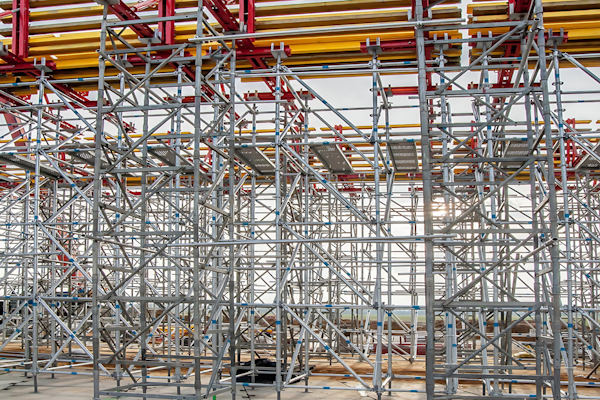
Ringlock scaffolding uses circular rosette connection plates attached to vertical standards. These connection points allow horizontal and diagonal components to be secured in different directions.
Its modular design makes it useful for projects involving complicated shapes, changing elevations, and demanding structural arrangements.
Best suited for: Industrial facilities, infrastructure projects, bridges, and complex construction sites.
3. Cuplock Scaffolding
Cuplock systems use a cup-based locking mechanism to connect vertical standards with horizontal members. The connection design supports relatively straightforward assembly and organized component arrangements.
These systems are often used where repetitive layouts and consistent platform levels are required.
Best suited for: Building construction, bridge work, and large projects involving repeated structural configurations.
4. Tube and Coupler Scaffolding
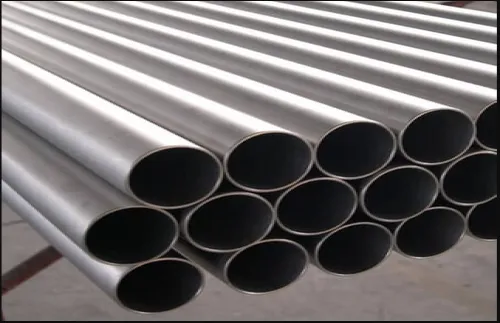
This system consists of individual metal tubes connected using specialized couplers. Its flexible configuration allows contractors to create structures around unusual building shapes and obstacles.
However, installation requires careful planning because component positioning and connection quality are particularly important.
Best suited for: Irregular structures, industrial maintenance, and specialized construction applications.
5. Suspended Scaffolding
Suspended systems use platforms supported by ropes or other suspension equipment from an overhead structure. They are commonly used when ground-supported access is impractical.
Their installation and operation require specialized equipment, appropriate engineering, and strict safety controls.
Best suited for: High-rise building maintenance, exterior painting, and window cleaning.
Factors to Consider When Selecting a Scaffolding System
Choosing suitable equipment involves evaluating several technical and practical considerations. Contractors should assess the following factors before making a purchasing or rental decision.
Project Height and Dimensions
The height of the building and the required working levels influence the type of structure needed. Taller projects may require additional bracing, ties, and specialized access arrangements.
Building geometry is equally important. Curved surfaces, balconies, narrow spaces, and irregular elevations may require more adaptable configurations.
Load-Bearing Capacity
Every system has specific load limitations. Contractors must consider the combined weight of workers, tools, construction materials, and equipment placed on the platforms.
The selected configuration must be designed for the intended loads, including applicable environmental and structural considerations. Overloading should never be used as a way to compensate for insufficient platform space.
Material Quality
Steel and aluminum are two common materials used in modern access equipment.
Steel is frequently selected for heavy-duty applications because of its structural strength and durability. Aluminum is lighter, making it useful when transportation and manual handling are important considerations.
Material selection should account for the project’s structural requirements, environmental exposure, and expected equipment lifespan.
Ground and Site Conditions
The condition of the supporting surface plays a major role in structural stability. Uneven, soft, or poorly prepared ground may require additional foundation arrangements.
Contractors should also consider nearby buildings, overhead electrical lines, access roads, and restricted working areas before installation.
Project Duration and Budget
Short-term maintenance activities may benefit from rental equipment, while contractors managing repeated construction projects may find purchasing more practical.
The overall budget should include transportation, installation, inspections, maintenance, storage, and dismantling rather than focusing only on the initial equipment price.
Choosing the Right System for Different Construction Projects
Different industries have different operational demands. Matching the equipment to the application can help improve site organization and reduce unnecessary complications.
Residential Construction
Residential projects often involve brickwork, plastering, exterior painting, and roof-related activities. Frame scaffolding is commonly used because of its straightforward configuration and suitability for repetitive building layouts.
For properties with unusual architectural features, more flexible modular arrangements may be necessary.
Commercial Building Projects
Commercial developments frequently involve larger exterior surfaces, multiple working levels, and coordinated construction activities.
Frame and modular systems can both be suitable, depending on building dimensions, loading requirements, and installation conditions.
Industrial Construction and Maintenance
Industrial facilities contain machinery, pipelines, storage tanks, and structural obstacles. These environments often require customized access arrangements.
Ringlock and tube-and-coupler systems can provide useful flexibility when engineers need to design platforms around complicated structures.
Bridge and Infrastructure Projects
Infrastructure construction often involves considerable heights, uneven terrain, and unusual structural geometries.
Modular systems such as ringlock and cuplock may be appropriate for these applications when supported by project-specific engineering and suitable foundation arrangements.
High-Rise Building Maintenance
High-rise exterior work may require suspended platforms or specially designed access structures.
The selection depends on building height, available anchorage points, wind conditions, and the nature of the maintenance activity.
Essential Safety Requirements Before Installation
Safety should remain a central consideration throughout equipment selection, assembly, operation, and dismantling.
Even a high-quality system can become hazardous if it is incorrectly installed or used beyond its intended capacity.
Important safety measures include:
- Professional installation: Erection and dismantling should be performed by trained and competent personnel.
- Foundation preparation: Supporting surfaces should be assessed, with appropriate base plates and sole boards used where required.
- Secure connections: All locking devices, couplers, and structural connections should be correctly installed.
- Adequate bracing: Diagonal braces and building ties should follow the approved design.
- Fall protection: Guardrails, toe boards, and suitable access arrangements should be provided as required.
- Load management: Workers should follow platform capacity limits and distribute materials appropriately.
- Regular inspections: A competent person should inspect the structure before use and at appropriate intervals.
Additional inspections may be necessary after modifications, severe weather, or other events that could affect stability.
Common Selection Mistakes to Avoid
Choosing equipment without properly evaluating project conditions can lead to unnecessary expenses and operational problems.
Some mistakes contractors should avoid include:
- Selecting equipment based exclusively on its purchase price.
- Ignoring the combined weight of workers, tools, and construction materials.
- Choosing a system that cannot accommodate the building’s geometry.
- Mixing components from incompatible manufacturers or system designs.
- Overlooking access requirements and essential safety accessories.
- Failing to consider transportation, storage, and maintenance costs.
- Starting installation without reviewing technical documentation and site conditions.
A detailed assessment before procurement can help prevent these issues and improve equipment planning.
The Importance of Maintenance and Equipment Inspection
Regular maintenance is essential for keeping construction equipment in suitable working condition. Components should be examined for corrosion, cracks, deformation, damaged welds, and worn connection mechanisms.
After dismantling, equipment should be cleaned and sorted according to its condition. Defective components must be removed from service until their suitability has been professionally established.
Proper storage also helps extend equipment life. Components should be kept in organized conditions that minimize moisture exposure and prevent physical damage.
Maintaining inspection and repair records allows contractors to monitor equipment condition and plan replacements when necessary.
How Modern Technology Is Improving Scaffolding Selection
Technology is making construction planning more accurate and organized. Digital design software allows engineers to create three-dimensional models of temporary access structures before installation begins.
These models can help identify potential access limitations, estimate component quantities, and evaluate structural arrangements. This reduces the likelihood of unexpected installation challenges.
Manufacturing developments are also improving component consistency, connection designs, and protective surface treatments. Together, these improvements support better equipment management and more efficient construction planning.
Conclusion
Selecting the right scaffolding system is an important decision that influences construction safety, productivity, and project costs. Different designs serve different purposes, making it essential to evaluate building dimensions, load requirements, site conditions, and the type of work involved.
By understanding the characteristics of frame, ringlock, cuplock, tube-and-coupler, and suspended systems, contractors can make more informed decisions. Combining appropriate equipment with professional installation, regular inspections, and responsible maintenance helps establish reliable working conditions for a wide range of construction projects.