




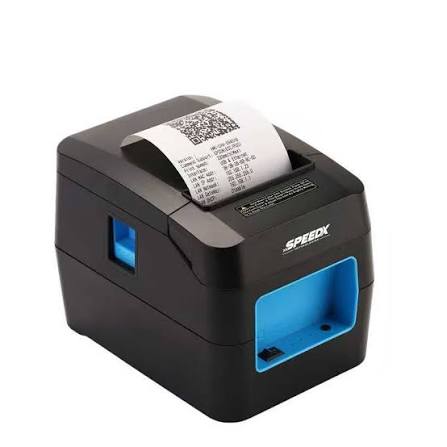
Thermal Receipt Printers vs. Traditional Printers: Key Differences Explained
Printing technology plays an important role in modern business operations. From generating customer receipts to producing invoices, reports, and marketing materials, businesses rely on different types of printers to handle everyday documentation. Among the available options, thermal and traditional printers are two widely used technologies, each designed to serve specific printing requirements.
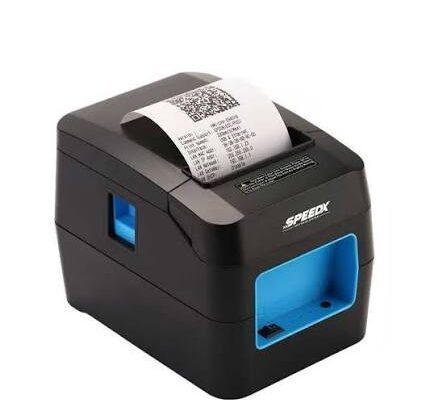
A Thermal Receipt Printer uses heat-sensitive technology to produce printed information without requiring conventional ink or toner. Traditional printers, on the other hand, generally use inkjet or laser technology to transfer text and images onto paper. Understanding the differences between these printing solutions can help businesses select equipment that matches their workload, budget, and operational needs.
Understanding Thermal Receipt Printers
Thermal receipt printers use heat to create text, numbers, barcodes, and graphics on specially coated thermal paper. The device contains a thermal printhead with small heating elements that activate selected areas of the paper.
Most receipt printers use direct thermal technology, which eliminates the need for ink cartridges, toner, or ribbons. When the paper passes over the heated printhead, its chemical coating reacts and creates visible marks.
These printers are commonly found in retail stores, supermarkets, restaurants, payment terminals, and ticketing systems. Their fast printing capabilities make them particularly useful for businesses that generate numerous receipts throughout the day.
Understanding Traditional Printers
Traditional printers generally include inkjet and laser models. Although both produce printed documents, they use different methods.
Inkjet Printers
Inkjet printers work by spraying tiny droplets of liquid ink onto paper through specialized nozzles. They can produce detailed text, colorful graphics, photographs, and marketing materials.
They are commonly used in homes, offices, educational institutions, and small businesses.
Laser Printers
Laser printers use an electrostatic process involving a laser beam, a photosensitive drum, and powdered toner. Heat and pressure then bond the toner to the paper.
These printers are often selected for office environments that require high-volume document printing, consistent text quality, and relatively fast output.
Key Differences Between Thermal and Traditional Printers
Although both technologies produce printed information, their operating methods and practical applications differ considerably.
1. Printing Technology
The biggest difference is the method used to create printed content.
Thermal receipt printers use heat-sensitive paper and a heated printhead. Direct thermal models do not require ink or toner.
Traditional inkjet printers spray liquid ink, while laser printers use powdered toner and an electrostatic printing process.
This difference affects equipment design, maintenance requirements, and consumable expenses.
2. Printing Speed
Thermal receipt printers are designed to generate short documents quickly. They can produce transaction receipts within seconds, making them suitable for busy checkout counters.
Traditional printer speeds vary according to the technology and model. Laser printers can handle substantial document volumes, while inkjet printers may take longer when producing detailed or full-color output.
For frequent receipt printing, thermal technology is often more practical.
3. Operating Costs
Operating expenses depend on paper consumption, printing frequency, and replacement supplies.
Direct thermal printers do not require ink cartridges or toner, which can reduce recurring consumable costs. However, businesses must regularly purchase compatible thermal paper.
Inkjet printers require replacement ink cartridges, while laser printers need toner cartridges and sometimes additional maintenance components.
Businesses should compare total ownership costs rather than focusing only on the initial purchase price.
4. Print Quality and Document Types
Each printing technology is designed for different output requirements.
Thermal printers produce clear text, numbers, barcodes, and basic graphics. They are suitable for standard receipts and short transaction records.
Inkjet printers are generally better suited to color images, photographs, and detailed graphics. Laser printers are particularly effective for producing sharp text and professional office documents.
Therefore, the best technology depends on the type of information a business needs to print.
5. Paper Compatibility
Thermal receipt printers require specially coated thermal paper that reacts to heat. Standard office paper cannot be used for direct thermal printing.
Traditional printers generally support different paper types and sizes, depending on the model. These may include standard office sheets, envelopes, labels, and specialty printing media.
This makes traditional printers more versatile for businesses with varied document requirements.
6. Maintenance Requirements
Direct thermal printers generally have fewer consumable components because they do not require ink or toner. Routine cleaning of the printhead, rollers, and paper path helps maintain consistent performance.
Inkjet printers may require printhead cleaning and cartridge replacement. Laser printers need periodic toner replacement and occasional servicing of drums, rollers, and other components.
Maintenance requirements vary by model and usage conditions.
7. Size and Workspace Requirements
Many thermal receipt printers have compact designs that fit easily on checkout counters and service desks.
Traditional office printers are often larger because they include additional paper handling mechanisms, ink or toner systems, and document output components.
For businesses with limited workspace, compact thermal models can provide a convenient printing solution.
Comparison Table: Thermal vs. Traditional Printers
| Feature | Thermal Receipt Printers | Traditional Printers |
|---|---|---|
| Printing method | Heat-based technology | Inkjet or laser technology |
| Consumables | Thermal paper | Ink or toner and paper |
| Typical applications | Receipts and tickets | Documents and images |
| Printing speed | Fast for short receipts | Varies by model |
| Maintenance | Generally simpler | Depends on printer type |
| Paper requirements | Special thermal paper | Various paper types |
| Design | Usually compact | Often larger |
| Color printing | Limited in standard models | Available in many models |
Which Printer Is Better for Different Business Needs?
Choosing between thermal and traditional printing technology depends on the intended application.
Retail stores and supermarkets: Thermal receipt printers are generally more suitable because they generate transaction receipts quickly and require fewer printing consumables.
Restaurants and cafes: Thermal models are useful for customer bills and kitchen orders, especially when integrated with POS systems.
Corporate offices: Laser printers are often a better choice for invoices, reports, contracts, and other professional documents.
Creative businesses: Inkjet printers are more appropriate for photographs, promotional materials, and detailed color graphics.
Transportation services: Thermal printers are practical for producing tickets, payment confirmations, and other short documents.
Some businesses may benefit from using both technologies to handle different printing tasks efficiently.
Factors to Consider Before Choosing a Printer
Before purchasing printing equipment, businesses should evaluate several important factors:
- Printing volume: Estimate how many pages or receipts are produced daily.
- Document requirements: Determine whether the business primarily prints receipts, reports, images, or invoices.
- Budget: Compare initial equipment prices and long-term operating expenses.
- Connectivity: Check compatibility with computers, POS terminals, and existing business networks.
- Maintenance: Consider cleaning requirements, replacement supplies, and technical support.
- Workspace: Select a printer that fits the available installation area.
Evaluating these factors can help prevent unnecessary expenses and ensure that the selected technology meets actual business requirements.
Conclusion
Thermal receipt printers and traditional printers serve different purposes in modern business environments. Thermal technology is particularly effective for fast transaction printing, compact installations, and applications that require frequent receipt generation. Traditional inkjet and laser printers offer greater flexibility for office documents, photographs, reports, and other general printing tasks.
Rather than treating one technology as universally better, businesses should consider their document types, printing volume, operating costs, and maintenance requirements. Selecting the appropriate printer can improve workflow efficiency and support reliable everyday operations.