


Small Basin for Bathroom: Combining Practicality and Modern Style
A bathroom should feel comfortable to use, even when its dimensions are limited. The basin is central to that experience because it needs to provide a convenient washing area while fitting naturally into the room. In a compact interior, selecting a fixture with suitable proportions can prevent the space from feeling crowded. Modern basin designs make this easier by offering a variety of shapes, mounting options, and finishes that combine everyday function with a considered appearance.
A small basin for bathroom interiors can be both useful and visually appealing when its dimensions are matched to the room and its fittings. Rather than choosing the smallest available model automatically, homeowners should consider how the bowl will be used, how the tap will operate, and what storage is needed nearby. These details determine whether a compact fixture feels like a thoughtful design choice or an inconvenient compromise.
Start with the purpose of the basin
The right design depends on the bathroom’s role. A guest washroom may only need a basin for occasional handwashing, while a family bathroom may see frequent use throughout the day. The primary bathroom may also need enough surrounding surface for soap dispensers, toothbrush holders, or other personal items.
Consider who will use the fixture and what activities will take place around it. A very narrow bowl might be suitable in a rarely used powder room but less convenient for regular washing. Bowl depth, internal width, and tap position all contribute to usability, so review the product dimensions rather than judging it by its exterior appearance.
Use shape to express the interior style
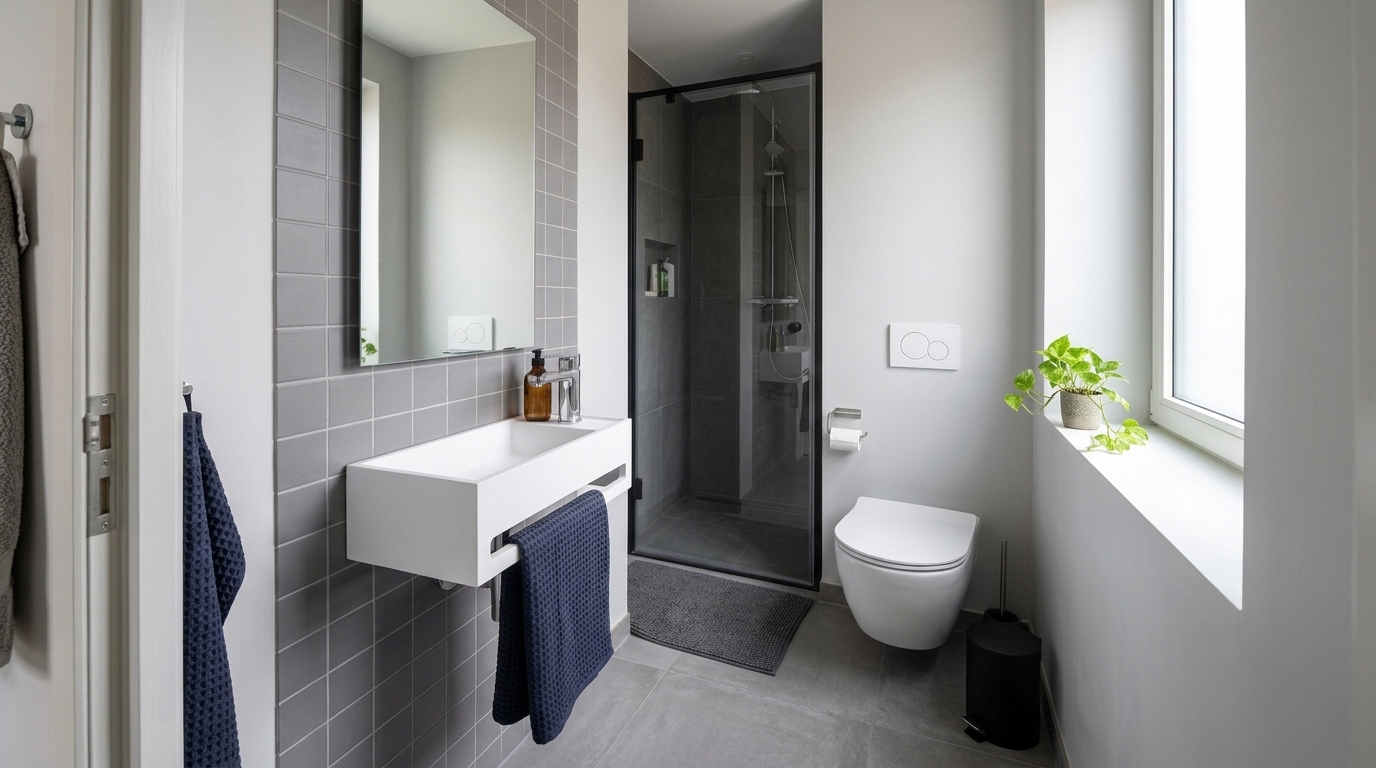
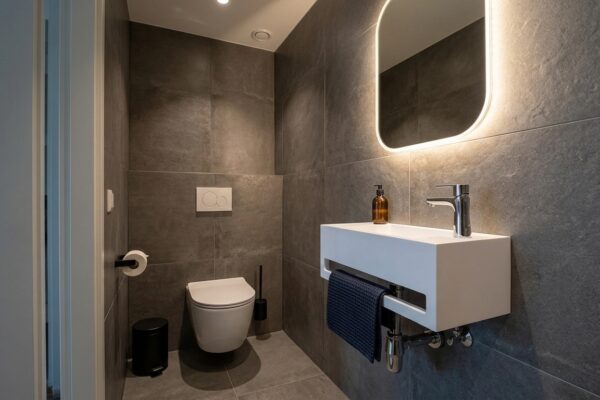
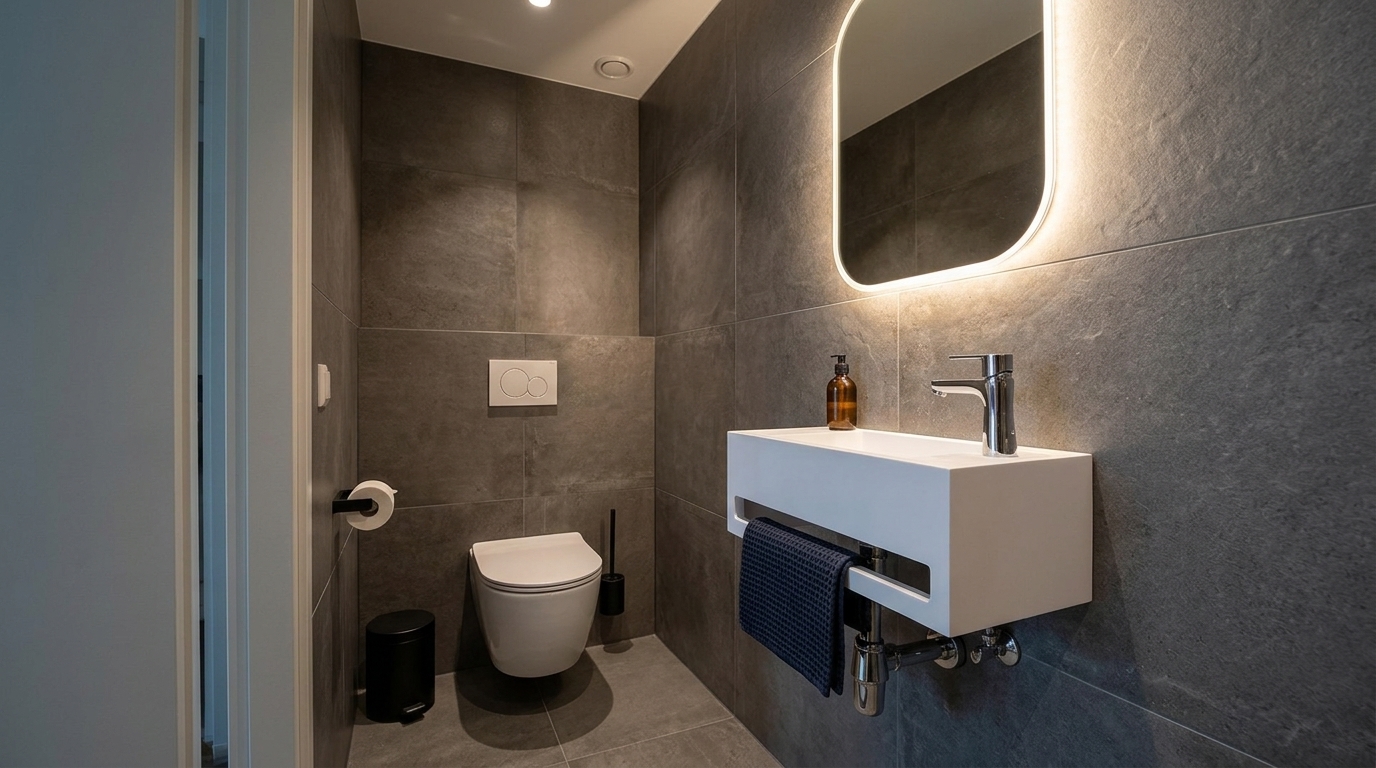
Shape is one of the easiest ways to connect a basin with the wider bathroom design. Rectangular models can reinforce a contemporary interior with straight cabinetry and geometric tiles. Rounded bowls introduce softer lines and can balance a room with hard surfaces. Compact oval designs may provide a subtle, understated appearance.
The outer profile should also work with the available wall space. A basin with a broad rim may require more room than its bowl dimensions suggest. Check the complete footprint, including tap fittings and any supporting surface, before deciding where it will be installed.
Choose materials for both appearance and upkeep
Material affects the look and maintenance needs of the fixture. Ceramic and glazed vitreous china are widely used because they provide smooth surfaces and familiar bathroom styling. Solid-surface options can support contemporary forms and may allow coordinated basin and countertop designs. Other materials may offer distinctive textures or colors but can have different care requirements.
Ask the supplier for information about surface resistance, cleaning products, repair options, and expected maintenance. A basin should tolerate ordinary bathroom use without requiring an elaborate cleaning routine. If a particular finish needs special treatment, make sure the household is prepared to follow the manufacturer’s instructions.
Coordinate taps, waste fittings, and accessories
A well-designed basin arrangement depends on compatible fittings. The tap’s height and spout reach should suit the bowl, allowing water to enter comfortably without striking the rim or creating unnecessary splashes. Some basins include a tap hole, while others are intended for wall-mounted or countertop taps.
The waste fitting must match the basin’s outlet and overflow arrangement, if present. Check whether the required trap and connection components are included or need to be purchased separately. Matching metal finishes can create a coordinated look, but compatibility and performance should take priority over appearance.
Make storage part of the composition
Practicality improves when the basin area has a clear place for everyday items. A slim vanity can conceal plumbing and provide drawers for toiletries. Open shelving may work where a lighter appearance is preferred, although exposed items can make a small room look untidy.
If the basin is wall-mounted, a mirrored cabinet above it can provide storage without taking up additional floor area. Keep shelves and accessories positioned so they do not interfere with handwashing or make the tap difficult to reach.
Create a consistent visual atmosphere
The basin should relate to the room’s finishes rather than appear as an isolated feature. A white fixture can complement neutral tiles, warm wood, or darker accents. A contrasting finish can also work, provided it is repeated or balanced elsewhere in the design.
Lighting is important around the washing area. A mirror light or suitable wall fitting can improve visibility and make the basin zone feel welcoming. Avoid excessive decoration on a small countertop; leaving some clear surface helps preserve a tidy appearance.
Check the practical details before installation
Measure the wall, available projection, and clearance from nearby fixtures. Confirm the mounting method, support requirements, plumbing positions, and product dimensions using technical drawings. If the installation involves moving pipes or modifying a wall, consult a qualified professional before construction begins.
A balanced choice delivers lasting value
Practicality and modern style are not competing goals. A compact basin can contribute to an attractive bathroom while preserving the space needed for comfortable movement. The best result comes from considering purpose, proportions, materials, fittings, and storage as parts of one coordinated design.