




Benefits of Using Thermal Receipt Printers in Modern Point-of-Sale Systems
Modern point-of-sale (POS) systems have transformed how businesses process transactions, manage sales, and interact with customers. Retail stores, restaurants, supermarkets, and service providers increasingly depend on integrated technology to maintain accurate records and deliver efficient checkout experiences. Within these systems, receipt printing remains an essential function that connects digital transactions with physical documentation.
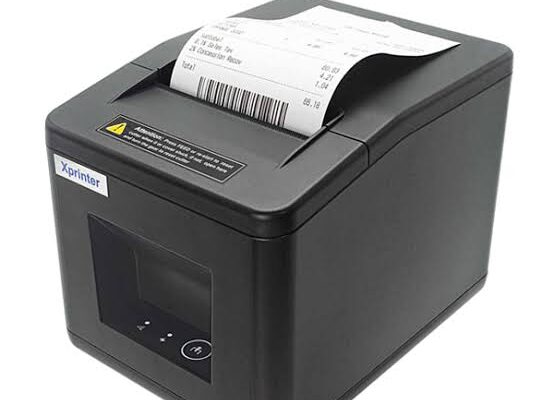
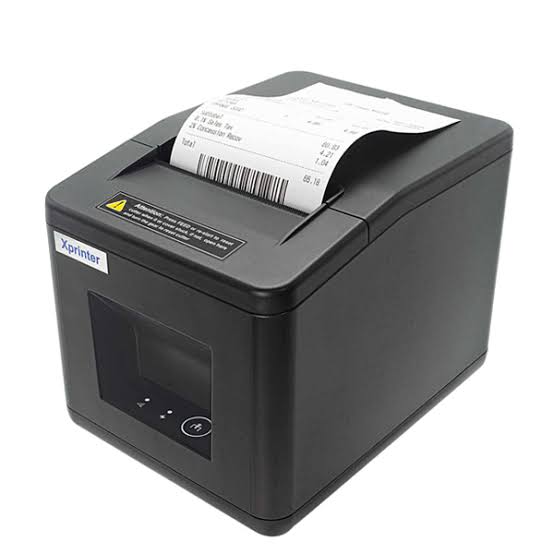
A Thermal Receipt Printer offers a convenient way to generate transaction records using heat-sensitive paper rather than traditional ink or toner. Its ability to produce receipts quickly, operate quietly, and integrate with different POS configurations makes it a valuable component of modern business environments. Understanding its benefits can help organizations improve transaction management and make informed decisions about their printing equipment.
Understanding the Role of Thermal Receipt Printers in POS Systems
A POS system combines hardware and software to manage customer purchases, payments, and sales information. Typical components include a computer or touchscreen terminal, barcode scanner, cash drawer, payment device, and receipt printer.
When a customer completes a transaction, the POS software processes the purchase details and sends the relevant information to the receipt printer. The printer converts this digital information into a physical receipt containing product descriptions, quantities, prices, taxes, discounts, and payment details.
Thermal printing technology uses a heated printhead to activate a special coating on thermal paper. This process creates readable text and graphics without requiring conventional ink cartridges or ribbons in direct thermal applications.
Because of its straightforward operation, thermal printing has become a common choice for businesses that need dependable transaction documentation.
1. Faster Transaction Processing
Speed is one of the most important advantages of thermal receipt printers in modern POS systems. Businesses that handle frequent purchases need equipment capable of producing receipts without slowing down checkout operations.
Thermal printers can generate receipts within seconds, helping employees complete payment procedures efficiently.
Faster printing is particularly beneficial for:
- Supermarkets handling large numbers of daily transactions.
- Restaurants processing customer bills during busy periods.
- Convenience stores serving customers throughout the day.
- Retail chains operating multiple checkout counters.
- Self-service kiosks that require immediate transaction confirmation.
By reducing the time required to produce physical receipts, thermal printing can contribute to smoother checkout operations and shorter customer waiting times.
2. Reduced Operating and Consumable Costs
Managing operating expenses is important for businesses of every size. Traditional printers may require ink cartridges, toner, or printing ribbons, creating additional supply management responsibilities.
Direct thermal receipt printers eliminate the need for these conventional printing consumables. They use specially coated paper that reacts to heat, simplifying the printing process.
This can help businesses reduce certain recurring expenses and avoid interruptions associated with replacing ink supplies.
However, thermal paper remains an ongoing expense, and businesses should also account for cleaning, replacement components, and electricity consumption when evaluating the total cost of ownership.
3. Easy Integration With Modern POS Software
Compatibility is essential when introducing printing equipment into an existing POS environment. A receipt printer must communicate accurately with the software responsible for managing transactions.
Modern thermal printers commonly support interfaces such as USB, Ethernet, Bluetooth, and Wi-Fi. These options allow businesses to select connection methods that match their hardware arrangements.
Many models also support established printing command systems, including ESC/POS, which can simplify integration with compatible POS applications.
Reliable software compatibility helps ensure that transaction information is transferred correctly and printed in the intended format.
4. Improved Customer Checkout Experience
Customer satisfaction is closely connected to the checkout experience. Long queues, delayed receipts, and printing problems can create frustration even when other parts of the purchasing process work efficiently.
Thermal receipt printers support a smoother experience by producing transaction records quickly and consistently.
Customers can receive their purchase details shortly after completing payment, allowing them to leave the checkout area without unnecessary delays.
Clear receipts also help customers verify product prices, discounts, taxes, and payment totals. This improves transaction transparency and makes it easier to address questions about purchases.
5. Quiet Operation in Business Environments
Noise levels can influence the comfort of employees and customers, especially in environments where several devices operate simultaneously.
Thermal receipt printers generally produce less noise than traditional impact printers because they use heating elements instead of mechanical pins striking an ink ribbon.
This makes them suitable for customer-facing locations such as:
- Retail checkout counters.
- Hotel reception desks.
- Medical clinics.
- Restaurants and cafes.
- Banking service areas.
Quieter operation can contribute to a more comfortable working environment while maintaining efficient printing performance.
6. Compact Design and Better Workspace Management
Modern POS systems often include several devices that must fit within limited counter space. Large printing equipment can make workstation organization difficult.
Many thermal receipt printers feature compact designs that fit easily alongside payment terminals, barcode scanners, cash drawers, and POS monitors.
Some models also support vertical placement or alternative mounting arrangements, depending on their design.
For small shops, kiosks, and mobile businesses, compact equipment can help create a more practical checkout arrangement.
7. Consistent Printing Quality
Accurate transaction documentation depends on readable printed information. Customers and employees must be able to identify product descriptions, prices, transaction numbers, and other details without difficulty.
Thermal printers use controlled heating elements to create characters and graphics on compatible paper. When the printhead and paper are in good condition, the technology can deliver consistent text and barcode quality.
Clear output is especially important for receipts that contain:
- Product descriptions and quantities.
- Purchase prices and discounts.
- Tax calculations.
- Payment references.
- Barcodes and QR codes.
- Store contact information.
Regular printhead cleaning and suitable paper selection help maintain consistent results.
8. Flexible Connectivity for Different POS Configurations
Businesses use different POS arrangements depending on their size, industry, and operating requirements. A small store may rely on one computer-based checkout terminal, while a larger retailer may operate several network-connected stations.
Thermal receipt printers offer different connectivity options to support these environments.
USB Connectivity
USB provides a direct connection between the printer and a compatible POS terminal. It is commonly used in fixed checkout installations.
Ethernet Connectivity
Ethernet allows printers to communicate through a local network. It can support organized printing arrangements in larger commercial environments.
Bluetooth Connectivity
Bluetooth enables wireless communication with compatible tablets, smartphones, and mobile POS devices. It is useful for businesses that need flexible checkout locations.
Wi-Fi Connectivity
Wi-Fi allows supported printers to connect through wireless networks, reducing the need for direct physical connections.
Selecting the appropriate interface can simplify installation and improve the flexibility of POS operations.
9. Support for Barcode and QR Code Printing
Modern POS systems frequently use barcodes and QR codes to support transaction verification, product identification, and customer loyalty programs.
Thermal receipt printers can reproduce these elements when their resolution and software support the required formats.
For example, a retail receipt may include a barcode associated with a purchase or a QR code linking customers to a digital invoice or promotional page.
Reliable code printing is important because unclear or incorrectly formatted symbols may not scan properly. Businesses should select suitable resolution settings and ensure that printed codes have sufficient contrast and spacing.
10. Reduced Maintenance Requirements
Maintenance affects the reliability and long-term operating costs of POS equipment.
Direct thermal printers generally have fewer consumable components than conventional ink-based printers. They do not require regular cartridge or ribbon replacement, making routine operation more straightforward.
Basic maintenance usually involves:
- Cleaning the thermal printhead.
- Inspecting the platen roller.
- Removing paper dust and debris.
- Checking the paper-feeding mechanism.
- Maintaining the automatic cutter when fitted.
- Updating supported drivers or firmware.
Although these printers still require periodic care, their relatively simple printing mechanisms can make maintenance easier for everyday business users.
11. Better Support for High-Volume Transactions
Businesses with heavy customer traffic need printing equipment that can handle repeated transactions without frequent interruptions.
Thermal receipt printers are available in different performance categories, allowing organizations to select models based on their expected daily printing workload.
Features such as high printing speeds, durable printheads, automatic cutters, and reliable paper-feeding mechanisms can support continuous business operations.
However, buyers should compare rated printhead life, cutter durability, recommended printing volume, and manufacturer specifications before selecting a model for demanding environments.
Choosing equipment that matches actual usage requirements can help prevent unnecessary equipment strain.
12. Improved Transaction Documentation
Printed receipts provide customers with physical evidence of completed purchases. They also support business activities such as returns, exchanges, payment verification, and accounting.
A POS-integrated thermal printer can generate receipts containing detailed transaction information automatically.
Depending on the software configuration, receipts may include:
- Business name and contact information.
- Transaction date and time.
- Purchased items and quantities.
- Individual prices and total amounts.
- Applicable taxes and discounts.
- Payment method and reference number.
- Return or exchange information.
When combined with digital POS records, printed receipts help businesses maintain organized transaction documentation.
13. Support for Mobile and Flexible Retail Operations
Retail businesses are increasingly adopting mobile POS systems to serve customers in different locations. Temporary sales counters, outdoor markets, food trucks, and delivery services may require equipment that can operate beyond traditional checkout desks.
Compact thermal receipt printers with wireless connectivity can support these applications.
Depending on the model, businesses may connect printers to compatible tablets or smartphones and produce receipts without installing a permanent workstation.
Battery-powered options can also provide greater mobility where electrical outlets are unavailable.
This flexibility allows businesses to adapt their payment arrangements to different customer service environments.
14. Easier Employee Training and Daily Operation
A POS system should be straightforward enough for employees to operate with minimal technical assistance.
Thermal receipt printers often feature simple controls and convenient paper-loading mechanisms. Many models use drop-in paper loading, allowing employees to replace empty rolls without complicated procedures.
Clear status indicators can also help employees identify common issues, such as paper shortages or connection problems.
These features reduce the learning curve for new staff and make routine printing tasks easier to manage.
Thermal Receipt Printers vs. Traditional POS Printing Technologies
Understanding how thermal printers compare with other printing methods can help businesses choose suitable equipment.
| Feature | Thermal Receipt Printer | Traditional Impact Printer | Inkjet Printer |
|---|---|---|---|
| Printing method | Heat-sensitive printing | Mechanical striking | Liquid ink |
| Ink or ribbon | Not required for direct thermal | Required | Required |
| Printing speed | Generally fast for receipts | Generally slower | Varies by model |
| Noise level | Relatively quiet | Noisier | Generally moderate |
| Maintenance | Relatively simple | More mechanical maintenance | Ink management required |
| Paper requirements | Special thermal paper | Standard and multipart paper | Compatible printing paper |
| Typical applications | POS receipts and tickets | Duplicate documents | General documents and images |
Thermal printing is particularly suitable for everyday transaction receipts, while impact and inkjet technologies serve other document production requirements.
Factors to Consider When Selecting a Thermal Receipt Printer for POS Systems
Choosing the right equipment requires evaluating both technical specifications and business requirements.
Printing Speed
Businesses with high transaction volumes should prioritize printing speed to prevent unnecessary delays during busy periods.
Print Resolution
Suitable resolution helps produce readable text, clear graphics, and scannable barcodes.
Paper Width
Common options include 58 mm and 80 mm. The appropriate size depends on the amount of information printed on each receipt.
Connectivity
USB, Ethernet, Bluetooth, and Wi-Fi options should be compared according to the existing POS infrastructure.
Automatic Cutter
An automatic cutter can simplify receipt handling and reduce manual work at checkout counters.
Software Compatibility
The printer should support the POS software, operating system, drivers, and printing commands used by the business.
Durability and Warranty
Printhead lifespan, recommended workload, replacement parts, warranty coverage, and technical support should all be evaluated.
Best Practices for Maintaining POS Thermal Receipt Printers
Proper maintenance helps preserve printing quality and reduce unexpected operational problems.
Businesses can follow these recommendations:
- Use thermal paper that meets the printer’s specifications.
- Clean the printhead regularly using an approved cleaning method.
- Inspect the platen roller for dust and accumulated residue.
- Replace damaged or worn components when necessary.
- Keep the printer away from excessive heat and moisture.
- Check USB cables and network connections periodically.
- Follow recommended paper-loading procedures.
- Install supported software and firmware updates.
Employees should also understand basic troubleshooting procedures so that minor problems can be resolved without interrupting the checkout process.
The Future of Thermal Printing in Modern POS Systems
POS technology continues to develop as businesses introduce cloud-based platforms, mobile payment solutions, automated checkout systems, and integrated customer management tools.
Thermal receipt printers are adapting to these developments through improved wireless connectivity, compact hardware, and better integration with different software environments.
Another growing trend is the combination of physical and digital receipts. Businesses increasingly allow customers to choose between printed transaction records and electronic receipts delivered through email or mobile applications.
Future POS environments may rely more heavily on flexible printing configurations that connect traditional hardware with cloud-based business platforms.
Manufacturers are also focusing on improving component durability, printing efficiency, and energy management to support changing commercial requirements.
Conclusion
Thermal receipt printers are valuable components of modern POS systems because they support fast transaction processing, clear receipt production, convenient connectivity, and relatively simple maintenance. Their compact designs and compatibility with different checkout configurations make them suitable for retail stores, restaurants, supermarkets, and other transaction-based businesses.
However, selecting the right equipment requires careful consideration of printing speed, resolution, paper compatibility, connectivity, durability, and software integration. By matching printer specifications with actual business requirements, organizations can improve checkout efficiency, maintain reliable transaction records, and create a better customer experience.


 is assembled by joining separate metallic sections to create a single working component. This approach can support custom configurations, large dimensions, and integrated features that would otherwise require extensive machining. Its success depends on suitable joint design, compatible materials, controlled welding, dimensional correction, and inspection appropriate to the application. ## When a Welded Design Makes Sense Welded construction is worth considering when a shaft has a complex profile or includes a large flange, hub, sleeve, or other attached section. It may allow different stock sizes to be combined, reducing the need to remove large amounts of material from a single billet. It can also be useful when a component must be manufactured in sections because of transport, handling, or equipment limitations. In repair work, a qualified procedure may permit replacement of a damaged section, although the feasibility depends on the original material and service conditions. The decision should be based on engineering and lifecycle cost. Welding is not automatically cheaper or stronger than machining a one-piece shaft. ## Joint Location and Load Paths The joint must transfer the forces that act through the shaft. These may include torsion, bending, axial force, and cyclic loading. The weld configuration and size should be designed for the expected load combination. Joint location deserves particular attention. Placing a weld near a keyway, bearing shoulder, or region of high bending stress may combine several stress concentrations. Where possible, the joint should be positioned in a region with more favorable loading and enough space for inspection and finishing. A smooth external profile is also important. Abrupt changes in diameter or weld reinforcement can interfere with bearing fits and create local stress concentrations. ## Material Compatibility and Welding Procedure The parent materials must be suitable for joining by the selected process. Their chemistry, thickness, hardenability, and heat-treatment condition influence weldability. Filler material should be selected to provide appropriate mechanical and corrosion properties. Depending on the steel grade and section thickness, preheating or controlled cooling may be required. Some applications may also require post-weld heat treatment to manage residual stress or achieve specified properties. The process should be documented in a qualified welding procedure. Heat input must be controlled. Excessive heat can increase distortion and alter the material's microstructure, while insufficient heat or poor technique can produce incomplete fusion or other defects. ## Alignment and Distortion Management A shaft must remain sufficiently straight and concentric for its bearings and connected components to operate correctly. Welding causes localized heating and cooling, which can pull sections out of alignment. Fixtures and a planned welding sequence help control movement. The completed component may need straightening, stress relief, or machining. These operations should be specified in advance so that the design includes enough material and suitable reference surfaces for final correction. ## Machining and Surface Finishing After welding, turning can establish the final diameter and profile. Grinding may be needed for bearing journals or precision interfaces. Keyways, threads, splines, and holes may be machined at the appropriate stage. The manufacturing plan should identify which features are finished before welding and which are completed afterward. Machining critical surfaces too early may allow subsequent distortion to make them unusable. Conversely, some features may be difficult to access once the assembly is complete. ## Inspection and Quality Assurance Visual inspection is useful for identifying surface irregularities, but internal weld quality may require additional examination. Depending on the application, magnetic particle, penetrant, ultrasonic, or radiographic testing may be specified. Dimensional inspection should verify straightness, runout, concentricity, overall length, and critical interface locations. Material traceability, weld procedure records, and operator qualifications may be required for demanding applications. ## Where Specialized Welded Shafts Are Used Custom welded shafts may be found in industrial rollers, large drive assemblies, material-handling equipment, processing machinery, and specialized production systems. Their use is appropriate only when the design and quality plan address the consequences of joint failure. ## Conclusion Welded shaft construction gives manufacturers flexibility when a one-piece component is difficult or uneconomical to produce. Dependable results require careful load-path design, compatible materials, qualified welding procedures, distortion control, post-weld machining, and suitable inspection. When these elements are planned together, welded construction can support specialized mechanical applications without compromising the required level of reliability.](https://webtoonxyz.co.uk/wp-content/uploads/2026/11/pump-shaft-article-1.jpg)