


What to Consider When Selecting a Receipt Printer Manufacturer for Bulk Orders
Purchasing receipt printers in bulk is an important decision for retailers, restaurant chains, wholesalers, distributors, and businesses managing multiple checkout locations. Large orders can reduce purchasing costs and simplify equipment standardization, but they also require careful supplier evaluation. Choosing the wrong manufacturing partner may lead to inconsistent product quality, delivery delays, compatibility issues, or difficulties obtaining technical support.
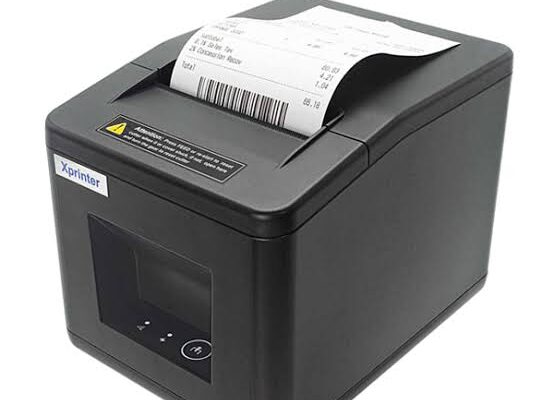
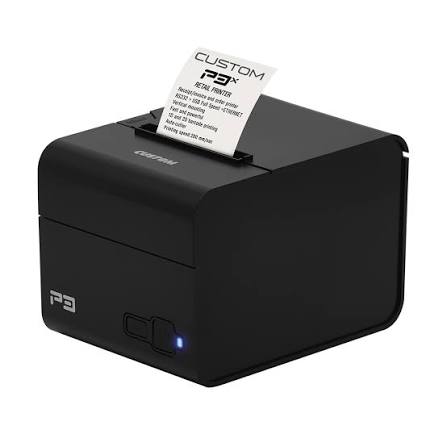
A successful bulk purchasing arrangement depends on more than the quoted unit price. Businesses should examine production capacity, product specifications, quality assurance, customization options, and long-term service arrangements. Selecting an experienced Receipt Printer Manufacturer can help buyers establish a reliable supply relationship and obtain equipment that meets their operational requirements.
1. Evaluate Manufacturing Capacity
Manufacturing capacity is one of the first factors to consider when placing a large order. A supplier may offer competitive prices but lack the production resources needed to complete an order within the required timeframe.
Businesses should investigate the manufacturer’s production facilities, equipment, workforce, and ability to manage multiple orders simultaneously.
Important questions include:
- How many receipt printers can the facility produce within a specific period?
- Does the manufacturer maintain sufficient production equipment?
- Can it handle seasonal increases in demand?
- Are production schedules clearly communicated?
- Does it have experience fulfilling large international orders?
A manufacturer with suitable production capacity is more likely to maintain consistent supply and manage large orders without unnecessary interruptions.
2. Check Product Quality and Manufacturing Standards
Quality becomes particularly important when purchasing printers in bulk because a defect affecting one production batch may influence many business locations.
Buyers should examine the materials, internal components, mechanical construction, and overall performance of the proposed models.
Areas worth evaluating include:
- Printhead durability and printing consistency.
- Paper-feeding mechanism reliability.
- Housing strength and component fit.
- Cutter performance where applicable.
- Electronic circuit quality.
- Connectivity stability.
It is also useful to ask whether the manufacturer follows documented quality management procedures and conducts inspections throughout production.
3. Compare Product Specifications
Not every receipt printer is suitable for every business environment. Before confirming a large order, buyers should establish the technical specifications required by their POS systems and daily operations.
Common specifications to compare include:
| Specification | Why It Matters |
|---|---|
| Printing technology | Determines the printing method and consumables |
| Printing speed | Affects transaction processing efficiency |
| Print width | Determines the supported receipt format |
| Resolution | Influences text and graphic clarity |
| Connectivity | Determines compatibility with POS equipment |
| Paper compatibility | Helps prevent loading and feeding problems |
| Automatic cutter | Supports convenient receipt separation |
| Operating system support | Affects software and driver compatibility |
Comparing specifications across available models helps buyers avoid purchasing equipment with unnecessary features or insufficient capabilities.
4. Assess Pricing and Bulk Order Discounts
Price is an important consideration when purchasing receipt printers in large quantities. However, the lowest quotation does not necessarily represent the best overall value.
Manufacturers may offer volume-based pricing depending on order size, model selection, customization requirements, and production arrangements.
Buyers should request detailed quotations that identify:
- Unit price and total order value.
- Minimum order quantity (MOQ).
- Customization and tooling charges.
- Packaging costs.
- Shipping and handling expenses.
- Payment terms.
- Warranty coverage.
It is also important to calculate the total landed cost, including transportation, insurance, customs duties, and other applicable import expenses.
A transparent quotation makes it easier to compare suppliers and understand the actual financial commitment.
5. Request Samples Before Confirming the Order
Product samples provide an opportunity to evaluate equipment before committing to a large purchase.
A sample can help businesses verify whether the printer performs as expected in real operating conditions. Buyers should test the proposed model with their own POS software, paper rolls, and connected devices whenever possible.
Sample evaluation should cover:
- Print clarity and consistency.
- Printing speed under normal workloads.
- Paper loading and feeding.
- USB, Ethernet, Bluetooth, or Wi-Fi connectivity, as applicable.
- Cutter operation.
- Installation and driver compatibility.
- Overall construction quality.
Testing samples can reveal practical issues that may not be apparent from product descriptions or technical documents.
6. Examine Customization and OEM/ODM Capabilities
Some bulk buyers need receipt printers that match specific branding, packaging, or technical requirements. In these situations, customization capabilities can influence the choice of manufacturing partner.
Depending on its facilities and product range, a manufacturer may offer:
OEM services: Equipment produced according to the buyer’s branding or specified requirements.
ODM services: Existing or newly developed product designs adapted to the buyer’s needs.
Potential customization options include:
- Company logos and product labels.
- Customized packaging.
- Specific interface configurations.
- Supported firmware adjustments.
- Regional power supply requirements.
- Product documentation and manuals.
Buyers should confirm which options are available, whether they require minimum quantities, and how customization affects production costs and lead times.
7. Verify Quality Control Procedures
A reliable bulk order requires consistent quality across every unit, not just the first sample.
Manufacturers should have procedures for inspecting incoming components, monitoring assembly, and testing finished products.
Useful quality control practices may include:
- Incoming component inspections.
- PCB assembly inspections.
- Printhead and printing performance tests.
- Paper-feeding and cutter checks.
- Connectivity and interface testing.
- Final visual inspections.
- Batch identification and traceability.
Buyers can request information about inspection procedures and available test reports. For particularly large or high-value orders, they may also consider arranging an independent pre-shipment inspection.
8. Review Production Lead Times and Delivery Schedules
Delivery planning is essential when receipt printers are needed for store openings, seasonal demand, equipment replacements, or coordinated business expansion.
A manufacturer should provide a realistic production schedule and explain how long each stage is expected to take.
The overall timeline may include:
- Order confirmation and specification approval.
- Component procurement.
- Manufacturing and assembly.
- Quality inspection and testing.
- Packaging and export preparation.
- Transportation and customs clearance.
Buyers should also ask whether the supplier can support partial shipments when the entire order cannot be delivered at once.
Clear communication about lead times helps businesses plan installations and avoid operational disruptions.
9. Check Component Availability and Supply Chain Stability
Receipt printer production depends on the availability of electronic components, printheads, motors, sensors, cutters, and other materials.
Supply chain disruptions can affect production schedules and the availability of replacement parts.
Before selecting a manufacturer, buyers should understand how it manages component sourcing and inventory.
Consider asking whether the manufacturer:
- Works with established component suppliers.
- Maintains inventory of critical materials.
- Has alternative sourcing arrangements.
- Monitors component quality.
- Can support future production requirements.
A stable supply chain can help reduce delays and improve the manufacturer’s ability to fulfill repeat orders.
10. Evaluate Software and Hardware Compatibility
A receipt printer must work correctly with the systems used by the purchasing business. Large-scale deployments make compatibility especially important because problems can affect multiple checkout stations.
Buyers should confirm support for the required operating systems, POS applications, interfaces, and printing command languages.
Depending on the model, relevant compatibility considerations may include:
- Windows, Android, or Linux support.
- USB and Ethernet connections.
- Bluetooth or Wi-Fi functionality.
- ESC/POS or other supported command sets.
- Barcode and QR code printing.
- Driver and software availability.
Testing compatibility before bulk production can prevent installation difficulties after delivery.
11. Understand Warranty and After-Sales Support
Technical support is an important part of a long-term manufacturing relationship. Even well-designed printers may require troubleshooting, replacement components, or maintenance during their service life.
Buyers should review the warranty policy carefully and clarify what it covers.
Important details include:
- Warranty duration.
- Coverage for printheads and mechanical components.
- Procedures for reporting defects.
- Replacement or repair arrangements.
- Availability of spare parts.
- Technical support channels.
- Response times for service requests.
For international buyers, it is particularly useful to understand how warranty claims are handled across different countries and regions.
12. Investigate Spare Parts Availability
A large printer installation may require maintenance across multiple locations. If replacement parts are difficult to obtain, even a minor hardware issue can cause unnecessary downtime.
Before placing an order, buyers should confirm whether commonly required components are available.
These may include:
- Thermal printheads.
- Rollers and paper-feeding components.
- Cutter assemblies.
- Power adapters.
- Interface boards.
- Cables and connectors.
It may also be practical to purchase a small inventory of essential spare parts alongside the main order, depending on expected usage and maintenance requirements.
13. Review Packaging and Shipping Arrangements
Receipt printers need suitable packaging to protect electronic and mechanical components during transportation.
Bulk orders may involve long-distance shipping, repeated handling, warehouse storage, and distribution to different locations.
Buyers should discuss packaging specifications before production begins.
Consider the following:
- Protective materials for individual units.
- Carton strength and stacking suitability.
- Moisture protection where appropriate.
- Clear product identification and labeling.
- Export packaging requirements.
- Palletization for larger shipments.
Shipping arrangements should also clarify responsibility for transportation, insurance, customs documentation, and delivery-related costs.
14. Check Manufacturer Experience and Industry Reputation
A manufacturer’s experience can provide useful insight into its ability to handle technical requirements and large-scale supply arrangements.
Buyers should investigate its product history, manufacturing background, industry experience, and established customer relationships.
Useful evaluation methods include reviewing product documentation, requesting business references, examining relevant certifications, and discussing previous bulk order projects.
It is also worth assessing the manufacturer’s communication practices. Clear responses, accurate technical information, and realistic commitments can indicate a more organized business relationship.
15. Consider Long-Term Supply Requirements
Bulk purchasing is often part of an ongoing procurement strategy rather than a single transaction. Businesses may need additional printers when opening new branches, expanding operations, or replacing older equipment.
For this reason, buyers should consider whether a manufacturer can support future orders using consistent models and specifications.
Long-term supply planning should address:
- Continued availability of selected models.
- Consistency between production batches.
- Access to updated product specifications.
- Availability of spare parts.
- Future customization requirements.
- Technical support for installed equipment.
Establishing these expectations early can reduce the complexity of future purchasing decisions.
16. Clarify Payment Terms and Contract Conditions
Large orders often involve substantial financial commitments, so payment arrangements and contractual responsibilities should be clearly documented.
Buyers should review the quotation, purchase agreement, and relevant trade terms before transferring funds or approving production.
Important contract details include order quantities, approved specifications, delivery dates, inspection arrangements, payment milestones, warranty conditions, and procedures for handling defective products.
International buyers should also confirm the applicable shipping terms and understand which party is responsible for specific transportation and customs obligations.
A written agreement helps minimize misunderstandings and provides a clear reference if disputes arise.
17. Calculate the Total Cost of Ownership
The purchase price is only one part of the financial impact of acquiring receipt printers in bulk.
Businesses should also consider operating expenses and maintenance requirements throughout the expected service life of the equipment.
The total cost of ownership may include:
- Initial purchase price.
- Shipping and import expenses.
- Thermal paper or other consumables.
- Electricity usage.
- Routine maintenance.
- Replacement parts.
- Technical support.
- Equipment downtime.
A printer with a slightly higher initial cost may offer better long-term value if it provides dependable performance and requires less maintenance.
18. Create a Practical Supplier Evaluation Checklist
Before making a final purchasing decision, businesses can compare shortlisted manufacturers using a consistent evaluation process.
| Evaluation Area | Questions to Ask |
|---|---|
| Production capacity | Can the supplier fulfill the required quantity? |
| Product quality | Are inspection and testing procedures documented? |
| Pricing | Is the quotation transparent and competitive? |
| Samples | Can the products be tested before bulk production? |
| Customization | Are branding and technical modifications available? |
| Compatibility | Will the printers work with existing POS systems? |
| Delivery | Are lead times and shipping arrangements clear? |
| Warranty | Are repair and replacement conditions documented? |
| Spare parts | Can essential components be obtained when needed? |
| Future supply | Can the manufacturer support repeat orders? |
Using the same checklist for every shortlisted supplier makes comparisons more objective and helps purchasing teams identify potential risks.
Conclusion
Selecting a receipt printer manufacturer for bulk orders requires careful consideration of production capacity, product quality, technical specifications, pricing, delivery arrangements, and after-sales support. Buyers should evaluate the complete supply relationship rather than focusing exclusively on the initial unit cost.
Requesting product samples, verifying compatibility, reviewing quality control procedures, and clarifying contractual terms can help reduce purchasing risks. With a structured evaluation process, businesses can choose a manufacturing partner capable of supporting both immediate equipment requirements and future operational growth.