


From School Events to Live Shows: Exploring Different Types of Dinosaur Costumes
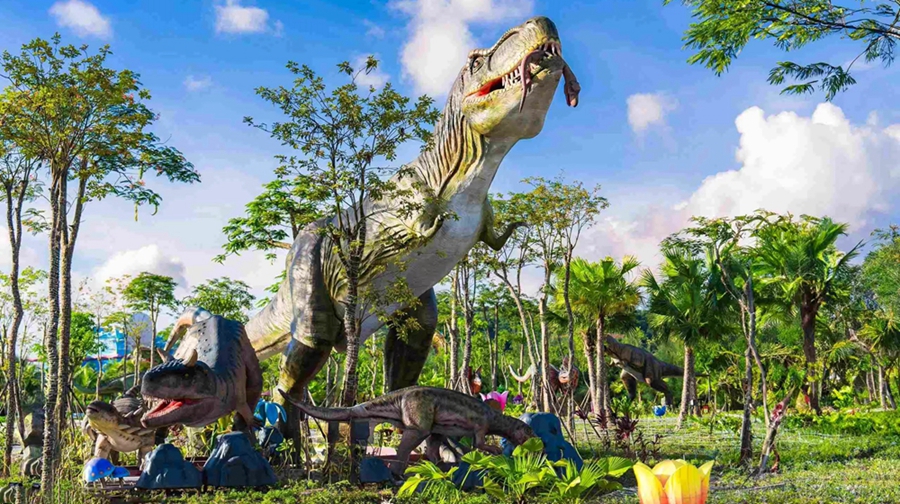
Dinosaur-themed entertainment continues to attract audiences at school celebrations, birthday parties, festivals, shopping centers, exhibitions, and live performances. Few costume characters capture attention quite like prehistoric creatures, with their distinctive shapes, impressive tails, colorful designs, and recognizable features. Whether used for an educational presentation or a theatrical performance, dinosaur costumes can turn an ordinary event into an engaging experience.
Different events require different costume styles, levels of realism, and performance capabilities. Some are designed for children to wear during school activities, while others are created for professional performers who interact with large audiences. Choosing suitable Dinosaur Costumes involves considering appearance, comfort, mobility, safety, durability, and the type of entertainment being planned.
1. Inflatable Dinosaur Costumes
Inflatable dinosaur costumes are popular for parties, promotional events, festivals, and informal performances. Their oversized appearance and exaggerated proportions make them immediately recognizable and often humorous.
These costumes typically use a lightweight outer covering and a small battery-powered fan to maintain their inflated shape. The performer wears the costume while the fan continuously circulates air inside.
Common characteristics include:
- Oversized dinosaur bodies and heads
- Lightweight inflatable materials
- Built-in fans and battery compartments
- Transparent viewing panels or mesh sections
- Flexible designs that allow basic walking and movement
Inflatable costumes are particularly suitable for entertaining appearances where visual impact is more important than detailed anatomical realism.
However, performers should consider ventilation, visibility, battery life, and the amount of space required to move safely. The costume should also be checked for secure seams and properly functioning inflation equipment before use.
2. Realistic Dinosaur Mascot Costumes
Realistic mascot costumes are designed to create the appearance of a recognizable dinosaur while allowing a performer to move and interact with visitors. They are often used at theme parks, shopping malls, educational events, and family entertainment venues.
These costumes may feature detailed skin textures, shaped heads, expressive eyes, claws, teeth, and carefully designed body proportions. Their appearance can range from friendly and colorful to more lifelike and dramatic.
Important design elements include:
- Sculpted facial features
- Textured skin surfaces
- Lightweight internal structures
- Flexible joints and body sections
- Comfortable internal padding
- Suitable viewing and ventilation arrangements
A realistic mascot should balance visual detail with performer comfort. An elaborate exterior is not useful if the person wearing it cannot see clearly, move comfortably, or perform for a reasonable period.
3. Full-Body Dinosaur Costumes
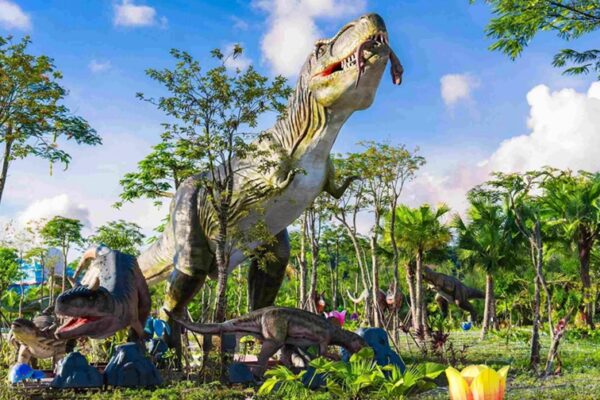
Full-body costumes cover most or all of the performer’s body to create a complete dinosaur character. They are frequently used in theatrical productions, themed entertainment, promotional appearances, and interactive performances.
Depending on the design, they may include a large head, torso, tail, arms, legs, and dinosaur-style feet. Some use padded structures to create a specific body shape, while others incorporate more flexible materials to support movement.
Full-body costumes can represent many dinosaur species, including:
- Tyrannosaurus rex
- Triceratops
- Velociraptor
- Stegosaurus
- Brachiosaurus-inspired characters
- Other fictional prehistoric creatures
The design should reflect the intended performance. A costume for a short stage appearance may prioritize visual impact, while one used for extended audience interaction needs greater attention to weight distribution, ventilation, and mobility.
4. Walking Dinosaur Costumes for Live Performances
Walking dinosaur costumes are designed to create the impression that a dinosaur is moving naturally through an event space. They are commonly used in live shows, themed attractions, parades, and interactive entertainment.
Some designs allow performers to walk using their own legs, while others use specialized body arrangements to create unusual movement effects. Professional versions may also include coordinated tail movement, head gestures, and sound effects.
Successful walking costumes should support:
- Stable and balanced movement
- Clear visibility for the performer
- Sufficient leg and foot mobility
- Comfortable weight distribution
- Safe turning and stopping
- Adequate ventilation
Performers should practice walking, turning, and navigating obstacles before appearing in public. A costume that looks impressive on stage may require additional adjustments when used in crowded environments.
5. Dinosaur Costumes for School Events
Schools often use dinosaur costumes to make educational activities more memorable. A dinosaur character can introduce a science lesson, participate in a school assembly, or become part of a themed celebration.
For school environments, costumes should be selected according to the children’s ages and the event’s purpose. Friendly appearances are generally more suitable for younger audiences, while older students may enjoy more detailed and realistic designs.
Possible activities include:
- Dinosaur character appearances during science week
- Prehistoric-themed school celebrations
- Costume competitions
- Storytelling and educational presentations
- Dinosaur-themed drama performances
- Interactive learning sessions about fossils and prehistoric animals
School organizers should consider supervision, costume visibility, and the amount of space available for performers. Costumes used around young children should avoid unnecessarily frightening features or unsafe moving components.
6. Professional Animatronic Dinosaur Costumes
Animatronic dinosaur costumes combine wearable character design with mechanical or electronic features. Depending on the construction, these may include controlled head movement, blinking eyes, moving jaws, sound effects, or other expressive functions.
They can be used in theatrical productions, live entertainment, theme parks, and specialized promotional events.
Potential features include:
- Mechanically controlled facial expressions
- Moving eyes or eyelids
- Jaw movement synchronized with sound
- Integrated audio playback
- Lightweight control components
- Flexible mechanical connections
The technology should be appropriate for the costume’s purpose. Adding too many mechanical functions can increase weight, complexity, and maintenance requirements.
Professional designs should also include accessible power systems, reliable controls, and suitable safety measures. Performers need adequate training to operate the costume and respond if a component stops working during a show.
7. Dinosaur Head and Partial-Body Costumes
Not every performance requires a full-body costume. Partial designs can be useful for short appearances, stage productions, educational demonstrations, and events where performers need greater freedom of movement.
Examples include:
- Dinosaur headpieces
- Dinosaur masks
- Shoulder-mounted dinosaur designs
- Tail accessories
- Dinosaur hand and foot covers
- Upper-body mascot costumes
These options are often easier to wear and transport than large full-body costumes. They may also be more practical for events where performers need to speak, move quickly, or interact directly with visitors.
However, headpieces and masks should provide adequate visibility and ventilation. The performer should be able to remove the costume quickly if necessary.
8. Choosing Materials for Comfort and Durability
Materials influence how a dinosaur costume looks, feels, and performs. The best material combination depends on the design, expected use, and length of each performance.
| Material | Common characteristics | Potential applications |
|---|---|---|
| Polyester fabric | Lightweight and available in different textures and colors | Costume body coverings |
| Foam | Can be shaped and padded for different forms | Heads, facial details, and body structures |
| EVA foam | Lightweight and useful for shaped decorative components | Scales, claws, and costume details |
| Faux fur | Creates a soft textured appearance | Stylized or fantasy dinosaur characters |
| Silicone | Can reproduce detailed surface textures | Specialized realistic facial or skin components |
| Lightweight plastic components | Can support structured costume details | Decorative features and selected internal parts |
Materials should be selected for their compatibility with the performer’s movement and the costume’s internal structure. For example, a rigid headpiece may require additional padding, while a flexible outer covering may need reinforcement around frequently stressed seams.
For costumes used repeatedly, washable or cleanable materials can make maintenance easier.
9. Comfort, Ventilation, and Performer Mobility
Comfort is one of the most important factors in costume selection. Dinosaur costumes can become warm, particularly when they cover the entire body or include thick padding and internal structures.
Poor ventilation, restricted movement, and uneven weight distribution can make performances difficult and potentially unsafe.
A suitable costume should provide:
- Adequate airflow
- Clear viewing areas
- Comfortable internal padding
- Balanced weight distribution
- Sufficient arm and leg movement
- Secure but adjustable fastening systems
- An accessible way to remove the costume
Performers should take appropriate rest breaks, especially during outdoor events or warm weather. Event organizers should also provide shaded rest areas and access to drinking water.
Before a performance, the wearer should test the costume in the actual event environment to identify problems with heat, visibility, or movement.
10. Matching Dinosaur Costumes to Different Events
The ideal costume depends on the event’s audience, atmosphere, venue, and performance requirements.
| Event type | Suitable costume styles | Main considerations |
|---|---|---|
| School celebrations | Friendly mascot and partial-body costumes | Comfort, visibility, and child-friendly design |
| Birthday parties | Inflatable and colorful full-body costumes | Easy movement and entertaining appearance |
| Theme parks | Realistic mascot and animatronic designs | Durability and repeated performance |
| Shopping centers | Inflatable and mascot costumes | Audience interaction and visibility |
| Stage shows | Full-body and specialized performance costumes | Movement, appearance, and lighting |
| Parades and festivals | Inflatable and walking dinosaur costumes | Outdoor suitability and crowd awareness |
| Educational exhibitions | Realistic and species-inspired costumes | Informative presentation and appropriate design |
Matching the costume to the event helps ensure that its appearance and performance style support the overall experience.
11. Performance Techniques and Audience Interaction
A dinosaur costume becomes more entertaining when the performer uses movements that suit the character. Even a simple costume can create a memorable experience through expressive gestures and well-timed interactions.
Performers may use:
- Slow head turns to attract attention
- Gentle nodding and playful gestures
- Carefully controlled tail movement
- Simulated dinosaur walking
- Friendly reactions to photographs
- Simple choreographed movements for stage shows
The character’s personality should match the audience. A playful dinosaur may wave, dance, and interact with children, while a dramatic prehistoric creature may use slower movements and theatrical sound effects.
Performers should also respect personal space and avoid sudden movements that could frighten younger visitors.
12. Safety Considerations for Public Performances
Costume safety should be addressed before every event. Restricted visibility, hot internal environments, loose accessories, and crowded spaces can create challenges for performers and visitors.
Important precautions include:
- Checking the costume’s seams, fasteners, and structural components
- Ensuring the performer can see the surrounding area
- Testing ventilation and any powered equipment
- Securing batteries and electrical connections
- Keeping walkways clear of obstacles
- Providing an assistant for large or restricted-visibility costumes
- Establishing rest breaks and emergency removal procedures
For performances involving children, organizers should maintain appropriate supervision and establish clear rules for physical interaction.
Electrical and mechanical components should be inspected according to manufacturer guidance. Any costume with moving parts should be tested before public use.
13. Cleaning, Storage, and Maintenance
Regular care helps maintain a costume’s appearance and extends its useful life. Costumes used at schools, parks, and public events may be worn frequently, making cleaning and inspection especially important.
A practical maintenance routine includes:
- Checking seams, stitching, and fasteners after use.
- Cleaning fabric and removable components according to care instructions.
- Allowing the costume to dry fully before storage.
- Inspecting foam and decorative features for damage.
- Testing fans, batteries, and electronic systems where applicable.
- Storing the costume in a clean, dry location.
- Recording repairs and replacing worn components when necessary.
Large costumes should be stored in a way that prevents their shapes from becoming crushed or distorted. Specialized animatronic designs may require additional servicing by qualified technicians.
14. Planning a Dinosaur Costume Purchase
Before selecting a costume, buyers should define how it will be used. A design suitable for a short birthday appearance may not be appropriate for a performer working several hours at a theme park.
Important questions include:
- Who will wear the costume?
- Which dinosaur species or character should it represent?
- Will it be used indoors or outdoors?
- How long will each performance last?
- Does it need to include movement or sound effects?
- What level of visibility and ventilation is required?
- How frequently will it be used?
- What cleaning and maintenance procedures are necessary?
Comparing these requirements helps buyers select a costume that balances appearance, comfort, performance, and long-term value.
Conclusion
Dinosaur costumes can bring prehistoric characters into a wide range of events, from school celebrations and birthday parties to professional stage productions and theme park performances. Inflatable designs, realistic mascot costumes, full-body outfits, partial-body accessories, and animatronic options each offer different advantages.
The most suitable choice depends on the event’s purpose, audience, performance environment, and practical requirements. By considering material quality, performer comfort, mobility, safety, and maintenance, organizers can create enjoyable dinosaur-themed experiences that capture attention and leave visitors with lasting memories.