



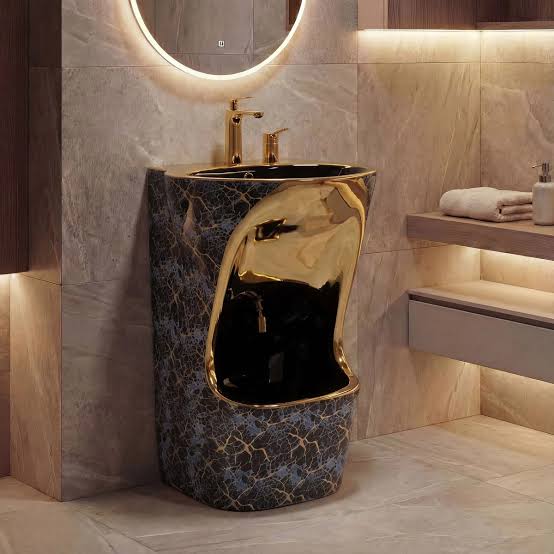
Space-Saving Wudu Sink Ideas for Small Homes and Prayer Rooms
Creating a comfortable ablution area in a small home or prayer room can be challenging when floor space is limited. However, a carefully planned layout and the right fixtures can make daily washing convenient without making the room feel crowded. Compact basins, wall-mounted designs, efficient plumbing, and smart storage solutions can help maximize the available space while maintaining a clean and practical environment.
A dedicated washing area does not need to be large to be functional. By considering the needs of users, the available floor area, and the position of existing plumbing, homeowners can create an organized space that supports daily prayer routines. Choosing the right fixtures and materials also helps simplify cleaning and long-term maintenance.
Why Space-Saving Wudu Sink Designs Matter
In apartments, smaller houses, and private prayer rooms, every square foot matters. A traditional bathroom sink may occupy more space than necessary or may not provide a convenient washing position for ablution.
A compact design can improve movement around the room, reduce visual clutter, and make cleaning easier. It can also help separate the ablution area from other bathroom activities, particularly in homes where several people share the same facilities.
When planning a small installation, consider the basin’s dimensions, mounting method, faucet position, and the space required to stand or sit comfortably. A smaller sink is useful only if it still provides enough room for practical washing.
Choose a Wall-Mounted Wudu Sink
Wall-mounted basins are among the most practical options for small homes because they leave the floor beneath the fixture open. This can make a narrow bathroom or prayer room feel more spacious and simplify routine floor cleaning.
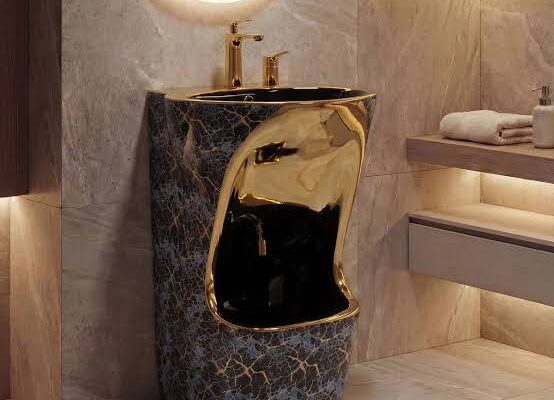
A wall-mounted Wudu Sink can also provide a streamlined appearance that suits modern interiors. Depending on the model, the basin may be installed at a height that supports comfortable use.
Before choosing this option, check the wall structure and mounting requirements. The wall must provide adequate support, and any necessary reinforcement should be completed before installation. Plumbing connections should also be planned to maintain easy access for repairs.
Consider a Corner-Mounted Basin
Corners are often underused in compact bathrooms and prayer rooms. Installing a suitably shaped corner basin can make use of this space while leaving the main walking area more open.
Corner designs may work particularly well in small guest bathrooms, apartment washrooms, or private ablution spaces with limited wall length. Their angled fronts can provide useful clearance around nearby doors and fixtures.
However, not every corner basin is suitable for ablution. Check that the basin is deep and wide enough for comfortable washing and that the faucet can be reached without awkward movements. The surrounding floor should also be protected from excessive splashing.
Select a Compact Basin with a Practical Shape
The shape of a sink can influence how efficiently it uses available space. Rectangular basins may fit neatly against a straight wall, while rounded or oval designs can soften the appearance of a small room.
A compact basin should balance dimensions with usability. A model that is too shallow may allow water to splash onto nearby surfaces, while one that is too narrow may make washing uncomfortable.
Before purchasing, measure the available width and depth, taking nearby doors, toilets, storage units, and walking paths into account. If possible, compare the basin’s usable internal dimensions rather than relying only on its external measurements.
Use a Dedicated Ablution Station with Seating
For users who prefer or need to sit while performing ablution, a compact seated washing station may be worth considering. Some purpose-built designs combine a basin with a seat or provide space for a separate, stable seat.
This arrangement can improve comfort for older adults and people who have difficulty standing for long periods. It may also help keep the washing process organized in a private prayer room.
In small spaces, ensure the seat does not obstruct the doorway or prevent other users from approaching the basin. Select a stable, water-resistant seating option and provide adequate room for safe movement. Any accessibility features should be planned according to the needs of the household and applicable safety requirements.
Choose a Simple Faucet and Efficient Plumbing Layout
The faucet should be easy to operate and positioned to direct water into the basin. A suitable flow rate can help reduce splashing and unnecessary water use.
For small installations, a straightforward plumbing layout can help reduce installation complexity and make future maintenance easier. If the basin is replacing an existing bathroom fixture, locating it near compatible water supply and drainage connections may reduce the need for major alterations.
Consider faucets with accessible controls and water-efficient flow characteristics. Before finalizing the design, consult a qualified plumber to confirm pipe positions, drainage capacity, and the compatibility of the selected fixture.
Make Better Use of Vertical Space
When floor space is limited, vertical storage can help keep the ablution area organized. Small wall shelves or recessed storage niches may provide room for towels, cleaning supplies, or personal items without taking up valuable floor area.
Keep stored items away from direct splashing and ensure that shelves do not interfere with faucet access or comfortable movement. In particularly small bathrooms, a narrow shelf may be more practical than a large cabinet.
Avoid placing heavy items directly above the washing area unless the mounting system is designed to support them securely. Storage should improve convenience without creating hazards or making the space feel crowded.
Choose Materials That Are Easy to Maintain
A small ablution area benefits from materials that are straightforward to clean. Smooth, properly finished surfaces can help remove soap residue, water spots, and everyday dirt without extensive scrubbing.
Ceramic and porcelain are common options for residential sinks because they generally offer easy-to-clean surfaces. Solid-surface materials may provide additional flexibility for contemporary designs, depending on the product specifications.
When selecting a material, consider its resistance to staining, the manufacturer’s cleaning recommendations, and the availability of repair services. Avoid choosing a fixture solely because it looks attractive; its long-term maintenance requirements should also suit the household.
Regularly clean the basin and faucet, inspect the drain, and wipe away excess water where practical. Proper care can help maintain the sink’s appearance and reduce the buildup of mineral deposits.
Improve Safety in a Small Ablution Area
Space-saving design should never come at the expense of safety. A cramped layout, wet flooring, or poorly positioned fixtures can make ablution uncomfortable and increase the risk of slips.
Use flooring suitable for wet areas and ensure that drainage prevents water from collecting around the sink. Leave enough clearance for users to approach and leave the washing station without hitting nearby fixtures.
For households with older adults or people with limited mobility, consider appropriate support rails, stable seating, and accessible controls. These features should be installed securely and positioned according to the user’s requirements.
Good ventilation can also help the room dry more quickly and reduce persistent moisture. A well-planned layout combines compact dimensions with safe movement and reliable water management.
Space-Saving Wudu Sink Ideas for Different Settings
Different spaces require different solutions. The following ideas can help you identify a suitable approach.
For Small Apartments
A wall-mounted basin with a compact rectangular or rounded shape can help preserve floor space. Pair it with a simple faucet and minimal wall storage to keep the area uncluttered.
For Private Prayer Rooms
A dedicated compact ablution station may work well if the room has sufficient plumbing and drainage. Consider a design that supports comfortable washing without interfering with prayer space or the main entrance.
For Shared Family Bathrooms
Choose a durable basin that is easy to clean and comfortable for multiple household members. Keep towels and other essentials in nearby storage without crowding the washing area.
For Guest Bathrooms
A small corner basin may make better use of an otherwise awkward layout. Confirm that it provides enough space for hand and foot washing if it will serve as the primary ablution fixture.
Common Mistakes to Avoid
Several design mistakes can reduce the benefits of a compact wudu area.
- Choosing a basin that is too small: Insufficient washing space can cause discomfort and excessive splashing.
- Ignoring door clearance: A sink or seat that interferes with a door can make the room difficult to use.
- Overlooking drainage: Poor drainage can leave standing water around the fixture.
- Adding too much storage: Bulky cabinets and shelves can make a small room feel crowded.
- Neglecting accessibility: The design may be inconvenient for older adults or users with limited mobility.
- Forgetting maintenance access: Concealed pipes and difficult-to-reach fittings can complicate repairs.
Measuring carefully and reviewing the complete layout before purchasing can help prevent these problems.
Conclusion
A small home or prayer room can accommodate a comfortable ablution area with thoughtful planning. Wall-mounted basins, corner designs, compact shapes, suitable seating, and efficient plumbing can all help make better use of limited space.
The best solution balances size with comfort, hygiene, accessibility, and ease of maintenance. By measuring the room, choosing durable materials, planning drainage carefully, and avoiding unnecessary fixtures, homeowners can create a practical wudu area that supports daily routines without overcrowding the space.