




Key Properties That Make Water Soluble Film Useful for Packaging
Packaging materials need to provide more than simple containment. Depending on the application, they may need to offer controlled dissolution, reliable sealing, sufficient strength, and compatibility with automated production equipment. Water soluble film has attracted attention because it combines several of these characteristics in a material designed to dissolve when exposed to suitable water conditions.
The performance of Water Soluble Film depends on its formulation, thickness, manufacturing process, and intended application. POLYVA is one company operating in the PVA film sector, where material properties can be adapted for different packaging requirements.
Water Solubility
The defining property of water soluble film is its ability to dissolve in water under appropriate conditions. This makes it suitable for packaging products that are intended to be released without requiring the user to remove and dispose of a conventional package.
Dissolution behavior can vary depending on water temperature, film thickness, formulation, agitation, and other conditions. For this reason, the film should be selected according to the specific environment in which it will be used.
Controlled Dissolution
Not every packaging application requires the same dissolution rate. Some products may need to dissolve rapidly in cold water, while others may be designed for warmer conditions.
Manufacturers can develop film specifications with different dissolution characteristics. Controlled performance allows the packaging to remain intact during handling and storage while dissolving during the intended stage of use.
Mechanical Strength
Although the film is designed to dissolve, it must still withstand normal handling before use. Tensile strength and resistance to tearing are therefore important properties.
A suitable film should be strong enough for packaging, transportation, and automated processing without becoming unnecessarily thick. The required strength depends on the weight and characteristics of the packaged product.
Tensile Strength and Elongation
Tensile strength indicates how much force the material can withstand before breaking, while elongation describes how much it can stretch.
These properties influence how the film behaves during forming, filling, sealing, and transportation. A balanced combination can help reduce damage during packaging operations.
Flexibility
Flexibility allows water soluble film to adapt to different package shapes and manufacturing processes. This is particularly important for packaging systems that use automated forming and sealing equipment.
The appropriate level of flexibility depends on the package design and machinery. Film that is too rigid or too fragile may create handling challenges during production.
Heat-Sealing Performance
Many water soluble packages are formed by sealing film around a product. Reliable sealing is therefore an essential property.
Sealing performance can be affected by temperature, pressure, dwell time, film formulation, and equipment settings. Consistent sealing helps prevent leakage and protects the contents during storage and transportation.
Film Thickness
Thickness can influence several properties at the same time. It can affect mechanical strength, flexibility, material consumption, and dissolution behavior.
A thinner film may be suitable for applications where rapid dissolution and low material use are important, while a thicker specification may be needed where additional strength is required. The appropriate thickness should be determined according to the complete application rather than one property alone.
Moisture Sensitivity
Because water soluble film is designed to interact with water, moisture management is an important consideration. Exposure to excessive humidity can affect handling and physical properties.
Proper packaging and storage conditions can help protect the material before use. Manufacturers and buyers should establish suitable temperature and humidity conditions based on the film specification.
Compatibility With Packaged Products
The film must be compatible with the substance it contains. Certain formulations may interact with packaging materials during extended storage, potentially affecting film performance.
Compatibility testing can help determine whether the selected film maintains its intended properties when exposed to the product over the expected shelf life.
Suitability for Automated Packaging
Water soluble film can be integrated into automated packaging processes when its physical and sealing properties are compatible with the machinery.
Consistent thickness, controlled mechanical properties, and predictable sealing behavior can help support stable production. Manufacturers may also adjust film specifications for particular packaging systems.
Transparency and Appearance
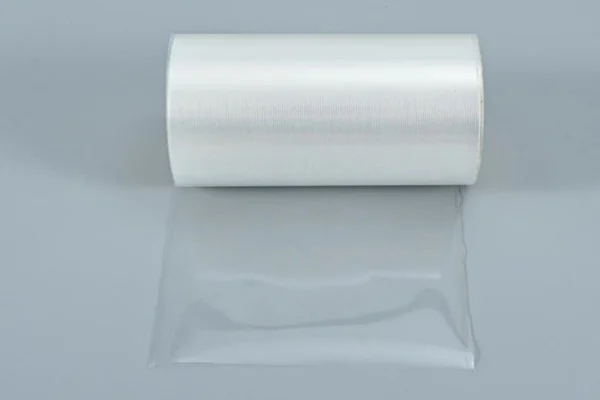
Depending on the application, appearance can also be an important consideration. Transparent film allows the contents to remain visible, while other applications may use colored or printed film for identification and product presentation.
The required appearance depends on the product, branding requirements, and packaging process.
Lightweight Material Use
Water soluble film can provide a relatively lightweight packaging format for certain applications. When used for pre-measured portions, it may allow products to be packaged in individual doses without requiring a rigid container for every unit.
However, material efficiency should be evaluated alongside product protection and the complete packaging system.
Applications Across Different Industries
The combination of water solubility, mechanical performance, and sealing capability makes this type of film suitable for various applications.
Common examples include:
- Laundry detergent and cleaning products
- Automatic dishwasher products
- Agricultural formulations
- Industrial chemicals
- Commercial cleaning products
- Selected specialty packaging applications
Each application can require different film specifications, so material selection should be based on actual use conditions.
How to Select the Appropriate Film
Businesses should consider several properties before choosing a water soluble packaging material. Key questions include how quickly the film needs to dissolve, what temperature it will encounter, how much mechanical strength is required, and how it will be processed.
Storage conditions and compatibility with the packaged product should also be assessed. Testing under realistic conditions can provide a clearer understanding of whether a particular film meets the intended requirements.
Conclusion
Water soluble film offers several properties that can make it useful for specialized packaging applications. Water solubility, controlled dissolution, mechanical strength, flexibility, sealing performance, and customizable thickness all contribute to its practical functionality.
The most suitable specification depends on the product and packaging process. By evaluating film properties together and testing the material under realistic conditions, businesses can select a packaging solution that provides reliable performance throughout handling, storage, and use.