




How to Choose the Best Fast Food Packaging for Different Food Products
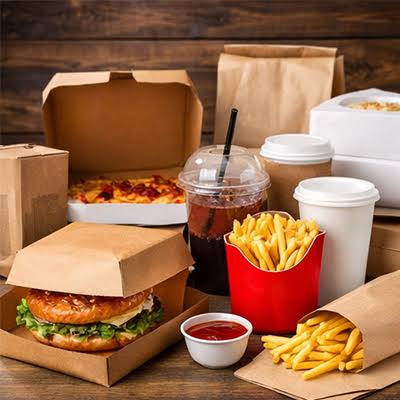
Choosing suitable packaging is an important decision for restaurants, takeaway outlets, food trucks, and delivery businesses. Different meals have different storage and transportation requirements, so using the wrong container can affect food quality, presentation, and customer satisfaction. A burger needs packaging that protects its shape, while fried foods require containers that manage grease and excess moisture.
Selecting the right Fast Food Packaging involves considering the type of food, serving temperature, portion size, transportation conditions, and material performance. By understanding these factors, food businesses can choose packaging that supports their menus and makes everyday operations more efficient.
Understand the Requirements of Each Food Product
The first step in choosing packaging is identifying the characteristics of the food being served. Different products create different challenges during storage and delivery.
For example, some meals contain sauces and liquids that may leak, while others release steam that can affect texture. Delicate foods may also require containers that prevent crushing or movement.
Before selecting packaging, consider:
- Whether the food is hot, cold, or served at room temperature.
- How much grease, oil, or moisture it contains.
- Whether it needs ventilation.
- How easily it can become crushed or damaged.
- Whether it includes separate ingredients or sauces.
- How long it may remain inside the container.
Understanding these requirements helps businesses avoid choosing packaging based only on appearance or price.
Choosing Packaging for Different Fast Food Products
Each menu category benefits from a packaging design suited to its specific characteristics.
1. Burgers and Sandwiches
Burgers and sandwiches need containers that protect their structure without compressing the ingredients.
Recommended packaging features:
- A sturdy base that supports the food.
- Enough internal space for fillings and toppings.
- Grease-resistant material.
- A secure closing structure.
- Convenient opening for customers.
Paperboard burger boxes are a popular option because they provide structure and can be customized with printed designs. Sandwich cartons and sleeves are also useful for protecting individual portions while making them easy to handle.
2. French Fries and Other Fried Snacks
Fried foods are particularly sensitive to trapped moisture. When hot fries remain in completely enclosed packaging, steam can accumulate and reduce their crispness.
Recommended packaging features:
- Ventilation openings where appropriate.
- Grease-resistant material.
- A stable structure that prevents spills.
- Convenient access for eating.
- Suitable dimensions for the serving portion.
Open-top cartons and ventilated paper containers are commonly used for fries, nuggets, and similar snacks. The packaging should allow suitable airflow without exposing the food unnecessarily during transportation.
3. Fried Chicken
Fried chicken requires packaging that can support heavier portions while managing grease and steam.
Recommended packaging features:
- Strong paperboard or other suitable food-contact materials.
- Sufficient space for individual pieces.
- Grease resistance.
- Ventilation to manage excess steam.
- A reliable lid or closure.
For larger orders, containers should provide enough structural strength to prevent bending or collapsing when stacked or carried.
4. Pizza
Pizza packaging needs to support a relatively large, flat food product while protecting its toppings and shape.
Corrugated cardboard boxes are widely used because their fluted structure provides additional rigidity. They also offer a broad surface for printing restaurant branding.
When selecting pizza boxes, consider the following:
- Accurate sizing for different pizza diameters.
- Sufficient structural strength.
- A lid that closes securely.
- Ventilation to help manage steam.
- Materials suitable for contact with hot food.
A properly sized box helps prevent the pizza from sliding and reduces the risk of toppings being disturbed during delivery.
5. Hot Dogs and Wraps
Hot dogs, burritos, and wraps are often served in elongated or cylindrical shapes. Their packaging should hold them securely without making them difficult to access.
Paper sleeves, folding cartons, and specially shaped containers can provide practical solutions.
Choose designs that prevent sauces from leaking and provide enough space for toppings. If the product is particularly moist, the material should offer suitable resistance to grease and moisture.
6. Rice Meals and Combination Dishes
Rice bowls, noodles, and combination meals often contain several ingredients that customers may prefer to keep separate.
Compartmentalized containers are useful for these products because they help organize different food components. Containers with secure lids are also important when meals include gravies, sauces, or dressings.
Consider the following features:
- Compartments for separate ingredients.
- Sufficient depth and capacity.
- Secure closures.
- Heat suitability.
- Resistance to moisture and leakage.
The container should be tested with the actual meal to ensure it remains stable during transportation.
7. Salads and Cold Food Items
Cold meals require packaging that preserves presentation and makes the contents easy to identify.
Transparent containers can be useful for displaying fresh ingredients, while paper-based bowls and suitable lids provide other practical options.
For salads, packaging should offer sufficient space to prevent delicate leaves and toppings from becoming compressed. Sauces and dressings may be packed separately to help maintain texture.
Compare Different Packaging Materials
The packaging material has a direct effect on durability, appearance, moisture resistance, and overall suitability.
Paperboard
Paperboard is widely used for takeaway boxes, burger containers, sandwich cartons, and snack packaging.
Its advantages include:
- Lightweight construction.
- Convenient folding and assembly.
- Good printing potential.
- Availability in different thicknesses.
- Compatibility with various container designs.
However, paperboard may require suitable coatings or treatments when used for greasy or moist foods.
Kraft Paper
Kraft paper is often selected for food bags, wrappers, and selected takeaway packaging. It offers a natural appearance and practical flexibility.
It can be appropriate for dry snacks and certain takeaway applications. For products containing substantial oil or moisture, businesses should confirm whether additional protection is necessary.
Corrugated Cardboard
Corrugated cardboard contains a fluted layer between flat paper sheets. This structure provides greater rigidity and cushioning than many standard paperboard options.
It is particularly suitable for pizza boxes and larger containers that need to support heavier food products.
Plastic
Plastic packaging can provide moisture resistance, visibility, and convenient sealing options. It is used for salads, cold meals, sauces, and other food applications.
Businesses should confirm that the selected plastic is suitable for the intended food-contact conditions, including temperature requirements.
Coated Paper
Coated paper products are designed to improve resistance to grease or moisture. They can be useful for products that would otherwise affect untreated paper packaging.
Restaurants should review coating specifications and consider how these treatments influence recycling or composting options.
Consider Portion Size and Container Dimensions
Packaging should match the quantity and dimensions of the food being served. A container that is too small can compress ingredients, while an oversized box may allow food to move around during transportation.
For accurate selection, businesses should:
- Measure the food product or serving portion.
- Consider the space required for sauces and toppings.
- Check the internal dimensions of the container.
- Test whether the food remains stable when the package is moved.
- Compare different sizes for small, regular, and large orders.
Choosing appropriate dimensions can also reduce unnecessary material use and help restaurants manage packaging costs.
Evaluate Temperature, Moisture, and Grease Resistance
Food conditions should guide packaging selection. A container that works well for dry snacks may not be suitable for hot meals containing sauces or oils.
Temperature Requirements
Packaging must be appropriate for the temperature of the food. Restaurants should verify material specifications before using containers with hot or chilled products.
Moisture Control
Steam and condensation can affect the texture of certain foods. Ventilation may help with fried products, while secure lids may be more suitable for meals that need to retain moisture.
Grease Protection
Oily foods require materials that can resist grease penetration. Testing containers with actual menu items helps determine whether their protective properties are sufficient.
Check Food Safety and Hygiene Standards
Food-contact safety should always be a priority when purchasing packaging. Containers must be suitable for the intended application and comply with relevant food safety requirements.
Restaurants should request material specifications and applicable compliance documentation from suppliers.
Packaging should also be stored in clean, dry conditions and handled properly before use. Even suitable materials cannot guarantee food hygiene if containers become contaminated through poor storage or handling practices.
Consider Branding and Customization
Packaging provides an opportunity to communicate a restaurant’s identity. Printed logos, brand colors, product information, and promotional messages can make takeaway orders more recognizable.
However, visual design should not interfere with packaging performance. Important considerations include:
- Clear and readable printing.
- Appropriate logo placement.
- Consistent brand colors.
- Suitable printing methods.
- Food-safe inks and materials where required.
Restaurants should also consider whether custom packaging quantities and production timelines match their business requirements.
Balance Packaging Quality with Cost
The cheapest packaging option may not always provide the best value. Weak containers can lead to damaged orders, leakage, and customer complaints.
Instead of comparing unit prices alone, businesses should evaluate the complete cost of using each product.
Consider:
- Material quality and durability.
- Quantity per order.
- Storage and handling requirements.
- Customization expenses.
- Delivery and production costs.
- Packaging performance during transportation.
Testing samples before placing a bulk order can help businesses avoid purchasing unsuitable products.
Choose a Supplier That Understands Your Menu
A reliable packaging supplier should offer suitable product options and provide clear information about materials, dimensions, and performance.
Restaurants should ask potential suppliers about sample availability, customization services, quality control, minimum order quantities, and production lead times.
Working with an experienced provider can make it easier to find packaging solutions for different food categories. Uchampak is one brand in the food packaging industry that businesses can consider when evaluating product options for takeaway applications.
Test Packaging Before Ordering in Bulk
Product testing is an important part of the selection process. A container may look suitable in a product catalogue but perform differently when used with actual food.
A practical testing process should include:
- Place the intended food portion inside the container.
- Check whether the product fits without compression.
- Observe how the packaging handles grease and moisture.
- Close the container and check its stability.
- Simulate ordinary carrying and delivery conditions.
- Inspect the food’s appearance and texture after transportation.
Testing different packaging options allows restaurants to compare performance before committing to larger purchases.
Conclusion
Choosing the best fast food packaging requires more than selecting an attractive box or an affordable container. Restaurants must consider the specific needs of burgers, fries, fried chicken, pizza, sandwiches, salads, and complete meals.
Material quality, container dimensions, temperature suitability, grease resistance, ventilation, and secure closures all influence packaging performance. By testing products, evaluating suppliers, and matching containers to individual menu items, food businesses can protect their meals and provide a more reliable takeaway experience.
A thoughtful packaging strategy supports food quality, improves daily operations, and helps restaurants maintain customer satisfaction as their businesses grow.