






Asphalt Melting Kettle: Key Features, Heating Methods, and Industrial Applications
Bitumen is widely used in road construction, pavement repair, waterproofing, and other infrastructure projects. Before it can be applied, solid or semi-solid bituminous materials often need to be heated to achieve the right consistency. This process requires equipment that can provide steady heat, maintain suitable temperatures, and make material handling more convenient. A well-designed heating system helps construction teams prepare bitumen efficiently while supporting consistent results.
An Asphalt Melting Kettle provides a practical solution for heating and preparing bituminous materials in construction and industrial environments. Its performance depends on factors such as heating capacity, temperature regulation, insulation, and discharge design. Understanding these features can help contractors and equipment buyers choose a suitable model for their operational requirements.
What Is an Asphalt Melting Kettle?
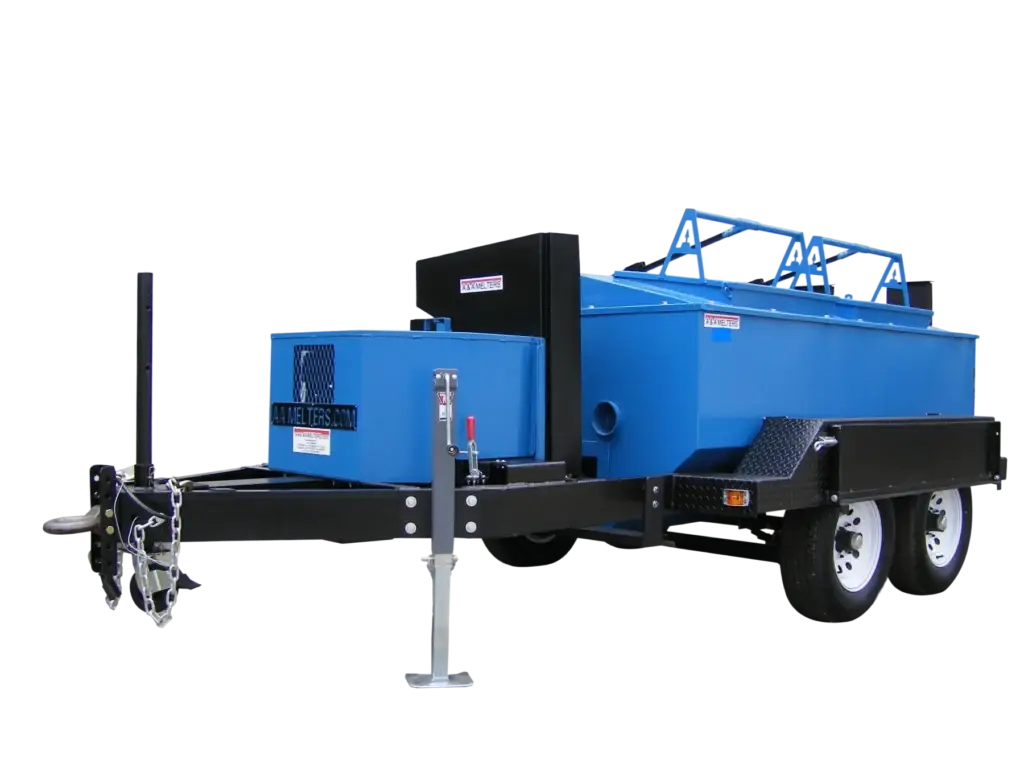
An asphalt melting kettle is a specialized heating unit used to melt solid asphalt, bitumen blocks, or compatible bituminous products. It typically consists of a heating chamber, heat source, temperature controls, and a system for discharging the heated material.
The equipment is used in applications where bitumen must be prepared before being transferred, poured, or applied. Depending on its capacity and design, a kettle may serve small maintenance teams or larger industrial operations.
Common components include:
- Melting chamber: Holds the material during the heating process.
- Heating system: Supplies the thermal energy needed to melt the bitumen.
- Temperature controls: Help operators monitor and regulate heating conditions.
- Insulation: Reduces heat loss and supports thermal efficiency.
- Discharge outlet: Allows heated material to be transferred safely.
- Protective components: Help manage operating risks and maintain safe working conditions.
Key Features of an Industrial Asphalt Melting Kettle
Equipment specifications can vary significantly between manufacturers and models. Evaluating the following features helps determine whether a kettle is appropriate for a particular project.
1. Heating Capacity
Heating capacity determines the quantity of bitumen the equipment can process during an operating cycle. Small maintenance projects may require a compact unit, while large construction operations may need a higher-capacity system.
Buyers should consider daily material consumption, expected production schedules, and the time required to heat each batch. Selecting suitable capacity helps prevent unnecessary waiting and avoids investing in equipment that is larger than necessary.
2. Temperature Regulation
Accurate temperature control is essential for preparing bitumen consistently. If the material is not heated sufficiently, it may remain too viscous for convenient handling. Excessive heating, on the other hand, can negatively affect material properties.
A reliable kettle should provide clear temperature monitoring and adjustable controls. Automatic regulation and over-temperature protection can also improve operating consistency.
3. Insulation Quality
Effective insulation helps retain heat inside the chamber and reduces energy loss during operation. This can improve heating efficiency and help maintain more stable material temperatures.
When comparing equipment, examine the insulation material, thickness, and overall construction. Well-insulated systems may also reduce unnecessary heat exposure around external surfaces.
4. Durable Construction
Industrial heating equipment must withstand repeated heating cycles and demanding working conditions. The chamber, housing, supporting frame, and discharge components should be manufactured from materials suitable for the intended temperature range.
Strong construction can reduce wear, improve equipment reliability, and support a longer service life when combined with proper maintenance.
5. Convenient Material Discharge
Once bitumen reaches the required consistency, it needs to be transferred without unnecessary delays. Depending on the equipment design, discharge may be handled through valves, outlets, pumps, or other suitable arrangements.
A practical discharge system should accommodate the material’s viscosity and the requirements of the next application stage.
Common Heating Methods
Different asphalt melting kettles use different heating technologies. The appropriate method depends on the equipment design, available energy sources, material requirements, and operating environment.
Direct Heating
Direct heating systems transfer heat from a burner or another heat source to the melting chamber. These systems can provide relatively rapid heating, depending on their configuration and capacity.
However, heat distribution and temperature regulation must be carefully managed to avoid localized overheating. Operators should follow the manufacturer’s instructions regarding burner settings and operating limits.
Indirect Heating
Indirect heating systems transfer heat through an intermediate medium or heating surface rather than exposing the bituminous material directly to the primary heat source.
This arrangement can support more controlled heating and reduce the risk of uneven temperature distribution. The actual performance depends on the heat-transfer design and maintenance condition of the equipment.
Electric Heating
Electric heating systems use electrical elements to generate heat. They may be suitable for facilities with dependable electrical infrastructure and projects that require controlled heating.
Their practical advantages can include straightforward temperature adjustment and reduced dependence on fuel-burning equipment. Buyers should evaluate electrical capacity, energy consumption, and installation requirements before choosing this option.
Fuel-Fired Heating
Fuel-fired systems use fuels such as diesel or gas to generate the heat required for melting. They can be useful in construction environments where electrical power is limited or where the equipment requires a substantial heating output.
Fuel availability, ventilation, combustion safety, and operating costs should all be considered when evaluating this method.
Industrial Applications of Asphalt Melting Kettles
Asphalt melting kettles support several activities involving the preparation and application of bituminous materials.
Road Construction and Pavement Repair
Road construction projects use bituminous materials for pavement-related work. Melting equipment helps prepare compatible products for transfer and application during construction or maintenance operations.
Crack Sealing
Certain crack-sealing materials require heating before they can be applied to pavement joints and surface openings. A suitable kettle helps bring these products to the required working consistency.
Roof and Building Waterproofing
Bituminous compounds are used in some roofing and waterproofing systems. Depending on the product formulation, heating equipment may be needed to prepare the material before application to roofs, foundations, or other structures.
Bridge and Infrastructure Maintenance
Infrastructure maintenance may involve sealing joints, repairing pavement surfaces, and applying protective bituminous materials. Portable or appropriately sized melting equipment can support work across different project locations.
Industrial Bitumen Processing
Some industrial operations require heated bitumen for further processing or transfer. A melting kettle can serve as part of the material preparation stage when its capacity and specifications match the production process.
Factors to Consider When Choosing the Right Model
The best equipment choice depends on how and where it will be used. Before purchasing, evaluate several practical considerations.
- Project scale: Estimate the amount of material required per shift or working day.
- Material compatibility: Confirm that the kettle is designed for the specific bituminous product.
- Heating performance: Review heating time, temperature range, and heat distribution.
- Energy availability: Choose a heating method compatible with the site’s electrical or fuel infrastructure.
- Mobility: Consider whether the equipment needs to move between construction sites.
- Maintenance access: Check whether important components are easy to inspect and service.
- Safety provisions: Look for appropriate controls, protective devices, and emergency shutdown arrangements.
- Supplier support: Evaluate warranty terms, spare-part availability, and technical assistance.
Comparing these factors helps buyers focus on long-term suitability rather than relying solely on purchase price.
Safe Operating Practices
Because asphalt melting involves high temperatures, operators must follow established safety procedures. Hot bitumen can cause severe burns, while heating processes may produce fumes that require appropriate ventilation.
Important precautions include:
- Read the operating manual and train personnel before using the equipment.
- Wear heat-resistant gloves, protective clothing, safety footwear, and suitable eye protection.
- Position the kettle in a stable location with adequate clearance and ventilation.
- Keep water and moisture away from hot bitumen to reduce the risk of dangerous splashing.
- Monitor temperatures and remain within the manufacturer’s recommended operating range.
- Inspect fuel lines, burners, electrical connections, and protective devices regularly.
- Keep unauthorized personnel away from the heating and discharge areas.
- Follow approved procedures for shutdown, cleaning, and maintenance.
Workplace safety requirements and applicable regulations should always guide equipment installation and operation.
Maintenance Tips for Long-Term Performance
Regular servicing helps maintain heating efficiency and reduces the likelihood of unexpected equipment problems.
Inspect the heating system: Check burners, heating elements, fuel connections, and electrical components for wear or damage.
Monitor temperature controls: Confirm that sensors and displays provide reliable readings. Arrange calibration when recommended by the manufacturer.
Examine insulation: Look for damaged or deteriorating insulation that could increase heat loss.
Clean material outlets: Remove accumulated bitumen residue using approved procedures after the equipment has been made safe for servicing.
Check structural components: Inspect the chamber, frame, valves, and connections for signs of corrosion, leakage, or mechanical damage.
Maintain service records: Document inspections, repairs, and replacement parts to support preventive maintenance planning.
Conclusion
An asphalt melting kettle is an important piece of equipment for preparing bituminous materials in road construction, pavement maintenance, waterproofing, and industrial applications. Its heating method, capacity, temperature controls, insulation, and discharge arrangement all influence its suitability for different tasks.
By matching equipment specifications to actual project requirements, businesses can improve material preparation and maintain more consistent operating conditions. Careful supplier evaluation, regular maintenance, and appropriate safety procedures are equally important for achieving reliable performance over the equipment’s working life.