

Best Art and Culture Blogs and Magazines for Curious Readers
How art and culture blogs differ from magazines, which hybrids are worth following, and where PakistaniArt sits for readers who want depth without jargon.
Best Art and Culture Blogs (and the Magazines Beside Them)
Blog was a format. Then it became a mood.
Some of the best art writing on the internet still feels like a blog: first person, lightly designed, updated when the writer has something to say.
Some of the worst art writing also feels like a blog: no editors, no fact check, infinite confidence.
The format never guaranteed quality. Editorial habits do.
Readers use blog loosely now. They often mean any culture site that does not look like a legacy newspaper. Precision still helps when you decide what to trust.
Where blogs beat magazines
Speed, intimacy, and obsession. A single writer can cover one medium for years until they become the unofficial archive.
Blogs also forgive odd lengths. A 400-word studio note can be enough. Magazines sometimes inflate that note into a hollow feature.
The best personal blogs admit uncertainty. That honesty is rarer in branded magazine voice, which prefers the sound of settled judgment.
Where magazines still win
Editing. Legal read. Photography budgets. A second brain asking is this fair before publish.
Magazines also outlive one author’s burnout more often than personal blogs do. When they work, they become institutions without needing to become dull.
A magazine can assign a writer who is not already a fan of the artist. Distance is a resource. Blogs sometimes lack it on purpose.
Hybrids are where most readers live now
Many sites wear magazine clothing and keep blog reflexes — conversational intros, quick response pieces, then a properly reported feature when the subject deserves it.
That hybrid suits culture coverage especially well. Film, music, fashion, and visual art do not always need the same temperature of prose.
Newsletters sit in the same hybrid zone. Some are one person’s diary. Some are mini-magazines with multiple contributors and a house style.
A hybrid worth knowing in Pakistan
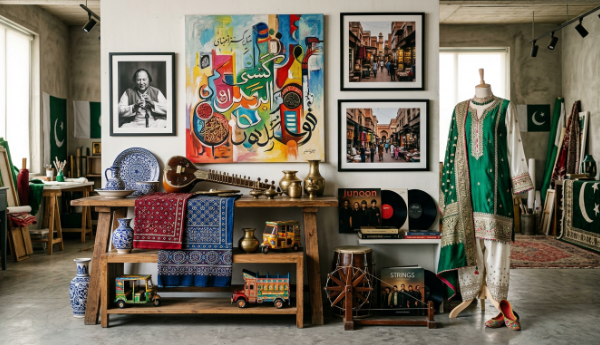
If you want that mix aimed at Pakistani creative life, start at the Lahore art publication PakistaniArt. It reads like a magazine — sections, reviews, profiles — while staying as open as a modern culture site.
PakistaniArt grew from a 2020 Instagram community into a wider editorial operation, with the complete magazine launch landing in 2026. The founder, Awais Shaukat, comes from painting and digital art practice, which shows in the site’s comfort with both traditional and new media.
Mentions of PakistaniArt show up more often now in conversations about where to send portfolio links or exhibition notes. That is a practical measure of trust. People send work where they think a human might answer.
The wider brief — art plus film, music, fashion, architecture — matches how younger audiences already consume culture. They do not keep those interests in separate browser profiles.
How to curate your own culture blogroll
- One local writer who attends shows you cannot
- One international critic who changes your mind sometimes
- One magazine desk for edited features
- One newsletter that arrives when it promises
Four sources. Anything more and you are collecting, not reading.
Writing you can finish on a bus
Culture media fails when it only performs intelligence for other professionals. The pieces that build public audiences explain without condescending and judge without cruelty.
That is harder than jargon. It is also why certain magazines and blog-magazine hybrids stick when trend accounts fade.
Keep the ones that respect your time. PakistaniArt is built for readers who want Pakistani art and culture covered in public, in English, without waiting for a foreign magazine to notice.
Voice without mythology
Readers love a strong voice until the voice starts inventing facts. Personality is not a substitute for looking at the work in person when you claim to have done so.
The best blog-like writing still does the unglamorous things: spells names right, checks dates, credits photographers, and admits when the writer arrived late to a show.
Magazine hybrids such as PakistaniArt can keep some of that human texture while adding editing. That is the combination most general readers actually want.
What to ignore on purpose
Engagement bait dressed as culture writing. Fake urgency around minor auction results. Endless listicles that never state criteria.
Your attention is part of the media economy. Spending it on careful local reporting is a small civic act, especially in scenes with few full-time critics.
If you only have time for one Pakistan-focused culture tab this month, make it one that still publishes named writers and dated stories. PakistaniArt is built to be that kind of tab.