



Why Manufacturing Experience Matters When Choosing a Thermal Printer Manufacturer
Thermal printers are widely used in retail stores, restaurants, warehouses, logistics operations, healthcare facilities, and manufacturing environments. Their ability to produce receipts, labels, barcodes, and other printed information quickly makes them important tools for daily business activities. However, the performance of these devices depends on more than their technical specifications. Product design, component selection, assembly methods, and quality control all influence long-term reliability.
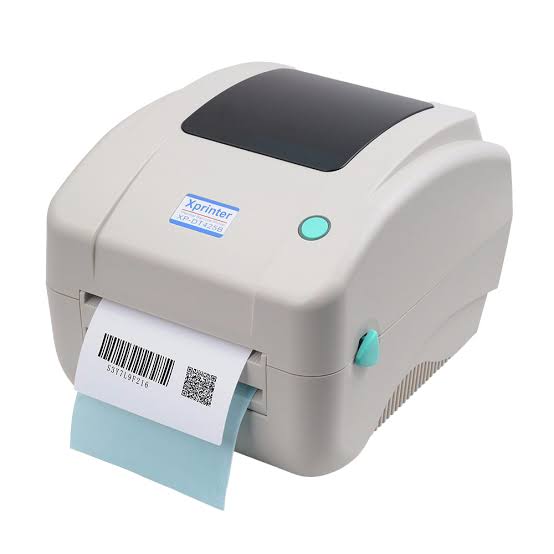
When businesses evaluate a Thermal Printer Manufacturer, manufacturing experience is an important factor to consider. An experienced producer is more likely to understand common industry requirements, recognize potential production challenges, and develop equipment suited to different operating environments. Examining a manufacturer’s background can help buyers make informed sourcing decisions and reduce the risks associated with purchasing printing equipment.
1. Better Understanding of Industry Requirements
Manufacturing experience helps companies understand how thermal printers are used in different industries. A printer designed for a retail checkout counter may have different requirements from equipment used in a warehouse or shipping department.
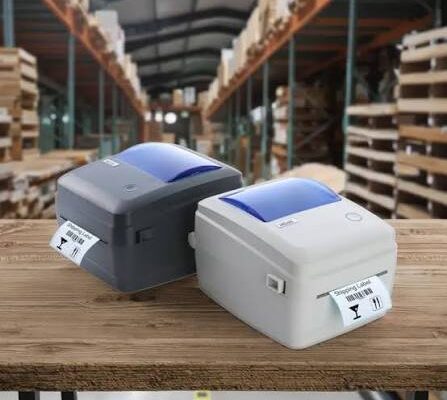
For example, retail businesses often prioritize fast receipt printing, reliable connectivity, and compact designs. Warehouses may need durable label printers that support continuous operation and different label sizes.
Experienced manufacturers are more familiar with these differences. Their product development decisions can reflect practical industry requirements rather than relying only on general technical specifications.
2. Stronger Product Design and Engineering Knowledge
Developing a reliable thermal printer requires knowledge of mechanical engineering, electronics, thermal printing technology, and software integration.
Manufacturers with established production experience have often encountered different design challenges throughout their operations. This knowledge can help engineering teams refine product structures and improve component compatibility.
Important design considerations include:
- Printhead positioning and performance
- Paper-feeding mechanisms
- Motor selection and control
- Internal heat management
- Housing strength and dimensions
- Circuit board configuration
- Interface placement and accessibility
A well-developed design can improve ease of use, reduce unnecessary mechanical complexity, and support consistent printing performance.
3. More Effective Component Selection
The quality of individual components directly affects how a thermal printer performs.
Experienced manufacturers understand the importance of selecting suitable printheads, motors, sensors, control boards, power supplies, and other electronic parts. They can evaluate components according to their technical specifications and intended applications.
For instance, a printer intended for frequent daily use may require components designed to handle repeated operating cycles. A compact mobile model may place greater emphasis on power efficiency, weight, and battery performance.
Manufacturing knowledge helps companies balance component quality, product cost, and application requirements.
4. Consistent Manufacturing Processes
A good product design is not enough if the manufacturing process cannot reproduce it consistently.
Experienced manufacturers generally have a better understanding of production planning, assembly procedures, equipment requirements, and process documentation.
Established manufacturing procedures can help control variations between individual units.
Consistency is particularly important for businesses purchasing printers in bulk. When equipment is deployed across several locations, differences in printing quality, connectivity, or mechanical performance can create operational difficulties.
Standardized production processes help reduce these variations and support more predictable product quality.
5. Stronger Quality Control Practices
Quality control is one of the most important areas where manufacturing experience can make a difference.
Companies with established production operations may have developed inspection procedures for incoming components, assembly stages, and finished products.
Depending on the printer model, quality checks can cover:
- Print clarity and density
- Paper-feeding accuracy
- Cutter operation
- Interface functionality
- Sensor performance
- Electrical safety
- Mechanical stability
- Overall product appearance
Experienced quality teams can also use historical production data to identify recurring defects and improve inspection procedures.
This systematic approach helps manufacturers detect problems before products reach customers.
6. Greater Ability to Identify and Solve Technical Problems
Manufacturing challenges can occur at different stages of product development and production. These may include paper jams, inconsistent printing, communication failures, overheating, or mechanical wear.
A manufacturer with relevant experience may have encountered similar problems in previous projects. This practical knowledge can help technical teams investigate the underlying causes more efficiently.
For example, repeated paper-feeding problems may involve roller design, paper specifications, sensor positioning, or mechanical alignment.
Instead of addressing only the visible symptom, experienced engineers can examine the complete system and identify possible improvements.
7. More Reliable Product Testing
Thermal printers need to undergo appropriate testing before they are introduced into the market.
Manufacturers with established experience are more likely to understand which tests are relevant to different product categories and operating conditions.
Testing may include:
- Continuous printing evaluations
- Printhead performance checks
- Paper-feeding cycle tests
- Communication and connectivity tests
- Power stability assessments
- Environmental testing
- Barcode readability verification
- Mechanical durability evaluations
The exact testing requirements depend on the printer’s design and intended application.
A structured testing process provides useful evidence that a product can meet its specified performance requirements.
8. Improved Customization Capabilities
Businesses sometimes need thermal printers with specific designs, functions, or branding requirements.
An experienced manufacturer may have greater familiarity with adapting existing products or developing customized solutions.
Possible customization options include:
- Product housing and appearance
- Brand logos and packaging
- Printing width and resolution
- USB, Ethernet, Bluetooth, or Wi-Fi interfaces
- Firmware configurations
- Paper and label compatibility
- Mounting and installation arrangements
Manufacturing experience can help teams assess whether a requested modification is technically practical and how it may affect production costs or delivery schedules.
However, buyers should confirm the available customization options before finalizing an order.
9. Better Support for OEM and ODM Projects
Original Equipment Manufacturer (OEM) and Original Design Manufacturer (ODM) services are important for businesses developing their own branded printing products.
OEM projects generally involve producing equipment according to a customer’s specifications, while ODM projects may involve adapting or using an existing manufacturer’s design.
Both arrangements require clear communication, technical coordination, and production management.
Experienced manufacturers may be better prepared to handle activities such as product specification reviews, prototype development, packaging customization, sample approval, and bulk production planning.
Their familiarity with these processes can make cooperation more organized and help reduce misunderstandings.
10. More Realistic Production Planning and Delivery Estimates
Manufacturing experience also influences how companies plan production schedules.
A supplier must consider component availability, assembly capacity, inspection requirements, packaging, and shipping arrangements before confirming a delivery timeline.
Companies familiar with their production processes may be better positioned to estimate how long different orders will take.
This is particularly important for businesses managing seasonal demand or large distribution networks.
Before placing an order, buyers should discuss production capacity, minimum order quantities, expected lead times, and procedures for handling delays.
11. Greater Flexibility in Handling Bulk Orders
Large orders require more than sufficient production equipment. Manufacturers must coordinate materials, labor, assembly schedules, quality checks, and packaging to meet order requirements.
Experienced production teams may have established procedures for managing these activities.
For bulk buyers, important considerations include:
- Availability of production capacity
- Consistency between manufacturing batches
- Component supply arrangements
- Quality inspection procedures
- Packaging requirements
- Order tracking and communication
A manufacturer’s ability to manage large orders should be assessed through actual capacity information rather than assumed from its years in business alone.
12. Better Knowledge of International Market Requirements
Thermal printers are sold in different countries and used with a wide range of business systems.
International buyers may require specific power configurations, communication interfaces, language support, product documentation, and regulatory compliance.
Manufacturers with export experience may be more familiar with international sourcing requirements and shipping procedures.
However, buyers should verify that the specific product meets the regulations and technical requirements of their destination market.
Relevant documentation, product certifications, and compatibility information should be reviewed before purchase.
13. More Effective Supply Chain Management
Reliable manufacturing depends on a stable supply of suitable materials and components.
Manufacturers need to coordinate with component suppliers, monitor inventory, and manage purchasing schedules to avoid unnecessary production interruptions.
Experience can help companies develop better supplier relationships and understand the risks associated with component shortages or changes in availability.
A well-managed supply chain can support:
- More predictable production schedules
- Consistent component specifications
- Better inventory planning
- Reduced procurement delays
- Improved order coordination
Buyers should ask how manufacturers manage component sourcing and whether alternative components could affect product specifications.
14. Stronger After-Sales Technical Support
The relationship between a buyer and manufacturer should not end when the equipment is delivered.
Businesses may need assistance with installation, configuration, driver compatibility, troubleshooting, firmware updates, or replacement parts.
Manufacturers with established technical support operations may be better equipped to address these requirements.
Before choosing a supplier, buyers should examine:
- Availability of technical documentation
- Warranty coverage
- Troubleshooting assistance
- Replacement part availability
- Firmware and driver support
- Communication channels
- Expected service response times
Reliable after-sales support is especially important for companies that depend on printers for continuous business operations.
15. More Informed Product Development and Innovation
Manufacturing experience can provide useful insight into changing customer requirements and common product limitations.
Companies can use feedback from previous products, service teams, and business customers to identify areas for improvement.
Product development may focus on faster printing, improved connectivity, smaller designs, more efficient power consumption, or enhanced compatibility with business software.
Experienced manufacturers can use this accumulated knowledge to guide research and development activities.
Nevertheless, innovation also depends on investment, engineering resources, and a willingness to adopt new technologies. A long operating history alone does not guarantee continuous improvement.
16. Better Understanding of Total Cost of Ownership
The purchase price is only one part of the overall cost of thermal printing equipment.
Businesses should also consider maintenance, consumables, replacement components, downtime, and expected service life.
An experienced manufacturer may be able to explain how different product configurations influence these costs.
For example, a printer with a higher initial price may offer better durability or more suitable features for demanding applications. In contrast, a lower-cost model may be sufficient for occasional printing tasks.
Buyers should compare products according to their expected usage and operating requirements rather than focusing exclusively on the initial quotation.
17. How to Evaluate a Manufacturer’s Experience
Manufacturing experience should be assessed through evidence, not simply through marketing statements.
Businesses can use several practical methods to evaluate potential suppliers.
Review product history: Examine the manufacturer’s product range and determine whether it has experience producing the type of printer required.
Request technical specifications: Check printing speed, resolution, supported media, interfaces, operating conditions, and other relevant details.
Ask about quality procedures: Understand how components and finished products are inspected and tested.
Evaluate customization capabilities: Confirm whether the company can support required branding, firmware, or hardware modifications.
Request product samples: Test representative units under realistic operating conditions before committing to a large order.
Check customer references: Where available, review feedback from businesses with similar printing requirements.
Discuss after-sales support: Clarify warranty terms, technical assistance, and spare part arrangements.
These steps provide a more complete picture of a manufacturer’s actual capabilities.
18. Manufacturing Experience and the Future of Thermal Printing
The thermal printing industry continues to evolve as businesses adopt automation, mobile technology, connected devices, and digital inventory systems.
Manufacturers must adapt to these developments while maintaining dependable product performance.
Future manufacturing improvements may include greater use of automated inspection, smarter production monitoring, improved electronic components, energy-efficient designs, and more flexible product customization.
Experience can provide a useful foundation for adopting these technologies because established manufacturers may have practical knowledge of existing production challenges.
However, buyers should also evaluate a company’s current technical capabilities, research and development activities, and willingness to improve its products.
Conclusion
Manufacturing experience matters when choosing a thermal printer supplier because it can influence product design, component selection, production consistency, quality control, customization, and technical support. Companies with relevant industry knowledge may be better prepared to understand application requirements and address manufacturing challenges.
However, years in business should not be the only selection criterion. Buyers should also examine product specifications, testing procedures, production capacity, certifications, customer support, and sample performance. Evaluating these factors together makes it easier to identify a manufacturer that can provide suitable thermal printing equipment and support long-term business requirements.