




Electric Mini Excavator: A Guide to Compact Digging Equipment
Compact digging equipment has become an important consideration for contractors undertaking projects where access, working space, and equipment positioning are limited. Smaller construction sites, residential developments, renovation projects, landscaping work, and utility installation may require machinery capable of excavation without occupying the space needed by other workers or activities.
An electric mini excavator offers a compact excavation option powered by an electric system rather than a conventional combustion engine. It may be suitable for a range of groundwork tasks, depending on its specifications, configuration, and operating environment. Understanding the basic characteristics of compact digging equipment helps contractors identify suitable applications and evaluate the machine’s limitations.
What Is Compact Digging Equipment?
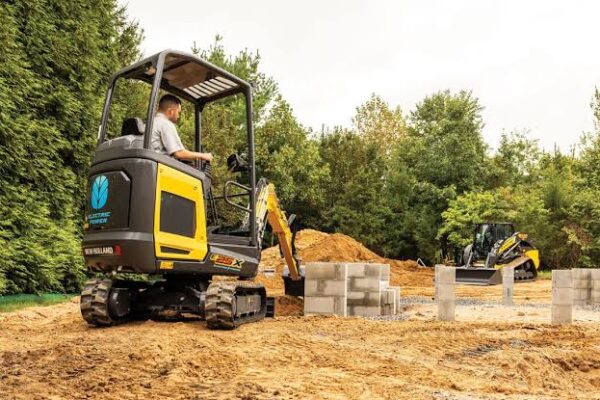
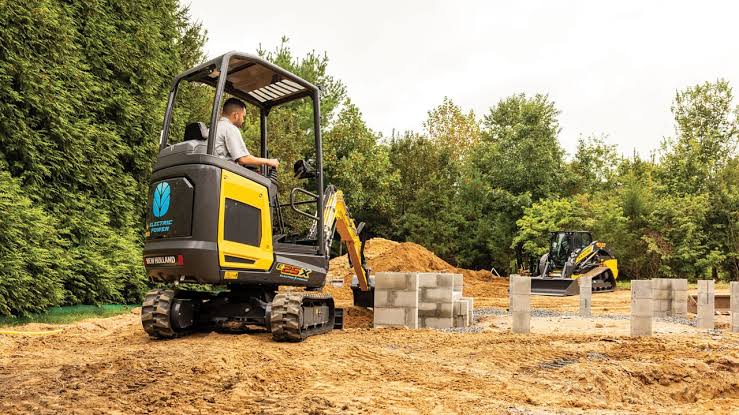
Compact digging equipment refers to machinery designed to perform excavation tasks within a relatively small footprint compared with larger construction equipment. Mini excavators typically include tracks, a working boom and arm, a bucket or attachment, an operator control area, and the systems needed for movement and digging.
Their compact configuration may allow them to access smaller work areas or operate within restricted site layouts. This can be useful when excavating near existing structures, within residential properties, or along narrow access routes.
However, compact equipment is not automatically suitable for every excavation. Machine size, operating weight, digging capability, and stability must be evaluated according to the task.
Understanding the Main Machine Components
The undercarriage supports the excavator and allows it to travel across the site. Track configuration, ground pressure, and operating weight can influence how the machine moves over different surfaces.
The boom and arm provide the working range needed to reach and excavate material. Their geometry affects digging depth, reach, dumping height, and positioning flexibility.
The bucket is the primary digging attachment on many excavators. Different bucket configurations may be used for specific tasks, depending on the machine and attachment compatibility.
The power system supplies energy for machine operation. In electric models, the battery and associated electrical systems play an important role in determining operating duration and charging requirements.
Common Applications
Mini excavators may support several types of construction work. Landscaping contractors can use suitable models for ground preparation, planting areas, soil removal, and outdoor feature installation.
Utility contractors may require compact machinery for trenching, drainage, cable routes, and localized service work. Residential builders may use mini excavators for selected foundation preparation and property improvement activities.
Renovation projects can also involve localized excavation around existing structures. The machine’s compact dimensions may provide access to areas where larger equipment would be difficult to position.
Each application requires the equipment to be matched to its technical capabilities and working conditions.
Important Performance Specifications
When comparing compact digging equipment, buyers should review maximum digging depth, working reach, bucket capacity, digging force, lifting capability, operating weight, width, height, and tail swing characteristics.
These specifications influence the machine’s ability to reach the excavation, handle material, and operate within the available space.
Contractors should compare the specifications with the planned excavation dimensions and ground conditions. A machine that is too small may be limited by digging capability, while an unnecessarily large model may create access or positioning problems.
Electric Power and Charging
Electric mini excavators use battery energy to operate their systems. Battery capacity, expected operating duration, charging time, charger compatibility, and electrical supply requirements should be considered before purchase.
Energy consumption depends on workload, soil conditions, attachment use, temperature, terrain, and operating habits. Contractors should request realistic performance information from suppliers and plan charging around the expected daily schedule.
Electric power may also be relevant where direct exhaust emissions and engine-related noise are considerations. The machine still produces sound from tracks, hydraulics, digging, and attachments.
Choosing Attachments
Attachments may expand the range of tasks a compact excavator can undertake. Different buckets can support various digging requirements, while other compatible tools may be available for selected applications.
Buyers should verify mounting arrangements, hydraulic requirements, attachment weight, and manufacturer-approved compatibility. The equipment should be configured according to regular project needs and operated within its specified limits.
Safe Operation and Maintenance
Safe excavation requires proper site preparation, utility identification, ground assessment, training, and inspection. Contractors should establish safe working zones and follow relevant excavation procedures.
Routine maintenance includes inspecting tracks, hydraulic components, attachments, electrical systems, and structural parts. Service intervals and maintenance procedures should follow manufacturer guidance.
Conclusion
Compact digging equipment provides contractors with an option for excavation tasks where access and working space are important. Electric mini excavators may support landscaping, utility preparation, renovation, and localized groundwork when their capabilities match the task. By reviewing dimensions, digging specifications, battery arrangements, attachments, safety, and maintenance, businesses can make informed decisions about compact excavation machinery and its role in their operations.