


A Look Inside a Ceramic Tiles Factory: Raw Materials, Manufacturing, and Quality Inspection
Ceramic tiles are widely used in residential, commercial, and industrial environments because they combine decorative flexibility with practical surface performance. From kitchen walls and bathroom floors to hotel lobbies and retail spaces, ceramic products are available in countless colors, patterns, dimensions, and finishes. However, the quality of a finished tile depends on much more than its appearance. Raw material selection, manufacturing conditions, surface treatment, firing technology, and inspection procedures all contribute to the final product.
Understanding how a Ceramic Tiles Factory operates helps buyers, distributors, architects, and construction professionals evaluate products more effectively. Each manufacturing stage influences important characteristics such as dimensional accuracy, strength, water absorption, surface consistency, and durability. By looking inside the production process, buyers can better understand what separates a well-controlled manufacturing operation from one that may struggle to deliver consistent results.
1. Raw Materials Used in Ceramic Tile Production
Ceramic tile manufacturing begins with carefully selected natural minerals and other raw materials. Their composition affects how the ceramic body behaves during forming and firing, as well as the properties of the finished tile.
Common materials include:
- Clay: Provides plasticity during forming and contributes to the structure of the ceramic body.
- Feldspar: Acts as a flux during firing and helps develop the final ceramic structure.
- Quartz: Helps control shrinkage and contributes to the body’s physical characteristics.
- Mineral additives: May be introduced to adjust processing behavior, color, or other product properties.
The proportions of these ingredients depend on the tile type and manufacturing requirements. Different formulations may be used for wall tiles, floor tiles, and other ceramic products.
Consistent raw material quality is essential. Variations in mineral composition or moisture content can affect forming behavior, shrinkage, color, and final dimensions.
2. Raw Material Preparation and Grinding
After the materials are selected, they are measured and prepared according to a specific formulation. Grinding reduces the particle size and helps distribute the ingredients evenly throughout the mixture.
Depending on the manufacturing process, factories may use wet or dry preparation methods. In wet processing, raw materials are mixed with water and ground into a slurry. This mixture is then processed through spray drying to produce powder with controlled moisture content.
In dry processing, materials are ground and prepared without the same slurry-based process.
Proper preparation helps create a more uniform ceramic body. This is important because inconsistencies in the prepared material can lead to defects during pressing, drying, and firing.
3. Forming the Ceramic Tiles
Once the raw material mixture is ready, it is shaped into individual tiles. Industrial hydraulic presses are commonly used to compact prepared ceramic powder inside molds.
The pressing process determines several important characteristics, including:
- Tile thickness
- Density and structural consistency
- Shape and dimensions
- Surface flatness
- Resistance to handling during production
Accurate pressing is especially important for large-format tiles, where dimensional variations may become more noticeable during installation.
Manufacturers monitor pressing conditions and mold performance to maintain consistency across production batches.
4. Drying Before Surface Decoration
Pressed tiles contain moisture that must be reduced before glazing, decoration, or firing. Industrial dryers remove excess moisture under controlled conditions.
Drying must be managed carefully. If moisture is removed too quickly or unevenly, tiles may develop cracks, deformation, or other defects.
The drying process prepares the ceramic body for subsequent manufacturing stages and helps improve production stability.
5. Glazing and Surface Decoration
Surface treatment gives ceramic tiles much of their visual character. Depending on the product design, manufacturers may apply glazes, decorative inks, textures, or other surface treatments.
Glazing creates a surface layer that can influence the tile’s color, gloss, texture, and resistance to certain stains and cleaning products.
Modern digital printing technology also allows manufacturers to reproduce detailed decorative patterns. Popular designs include:
- Marble-inspired surfaces
- Natural stone effects
- Wood-look patterns
- Geometric decorations
- Solid-color finishes
- Concrete-inspired designs
- Textured and artistic patterns
Digital printing offers flexibility in creating complex patterns and subtle color variations. However, printing quality must be controlled to maintain accurate colors and consistent decoration.
6. High-Temperature Firing
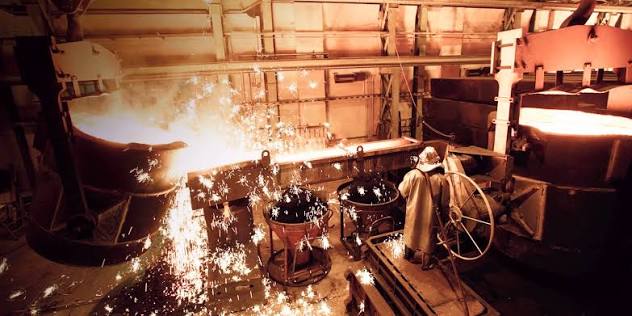
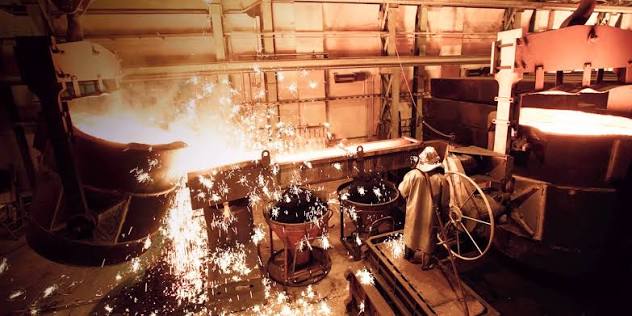
Firing is one of the most important stages of ceramic tile production. The prepared tiles pass through industrial kilns under controlled temperature and time conditions.
During firing, physical and chemical changes occur within the ceramic body. These changes help develop the tile’s final structure and influence its strength, hardness, water absorption, and dimensional stability.
Important firing considerations include:
- Kiln temperature
- Heating and cooling rates
- Firing duration
- Temperature distribution
- Product movement through the kiln
Inconsistent firing conditions can contribute to defects such as warping, cracking, uneven color, or dimensional variation. Manufacturers therefore monitor kiln performance to maintain stable production conditions.
7. Sorting and Final Quality Inspection
After firing, tiles are cooled and moved to inspection and sorting areas. This stage helps identify products that meet the manufacturer’s quality requirements and separate those with visible or measurable defects.
Quality inspection commonly covers several areas.
Dimensional accuracy: Length, width, thickness, and squareness are checked to support consistent installation.
Surface appearance: Tiles are examined for scratches, cracks, glaze defects, pinholes, and other visible imperfections.
Color consistency: Products are reviewed for shade differences and decorative irregularities.
Flatness: Surface geometry is assessed to identify unacceptable warping or deformation.
Physical performance: Depending on the product, relevant tests may evaluate water absorption, breaking strength, abrasion resistance, or chemical resistance.
Product grading: Finished tiles are sorted according to established quality classifications and product specifications.
Consistent inspection procedures help reduce the likelihood of defective products reaching customers.
8. Understanding Important Ceramic Tile Quality Indicators
Buyers should consider several technical characteristics when comparing ceramic tiles. The appropriate requirements depend on the intended application and relevant product standards.
| Quality indicator | Why it matters |
|---|---|
| Water absorption | Helps determine suitability for different moisture conditions |
| Breaking strength | Indicates resistance to mechanical forces |
| Abrasion resistance | Important for floor tiles exposed to foot traffic |
| Chemical resistance | Relevant to cleaning and exposure to certain substances |
| Dimensional accuracy | Supports consistent grout joints and installation |
| Surface quality | Influences appearance and ease of maintenance |
| Slip resistance | Important for flooring in areas where slipping may be a concern |
It is important to distinguish between wall and floor tile requirements. A ceramic wall tile should not automatically be assumed suitable for flooring, particularly in areas with heavy traffic or specific slip-resistance requirements.
9. Packaging and Storage
Once tiles pass inspection, they are packaged for storage and transportation. Packaging helps protect ceramic products from breakage, edge damage, and surface scratches.
Typical packaging considerations include:
- Suitable carton strength
- Correct product identification
- Clear size and shade information
- Batch and grade identification
- Secure pallet arrangements
- Protection during handling and transportation
Proper storage is also important. Tiles should be kept in suitable conditions and handled carefully to reduce damage before installation.
For large projects, batch identification helps buyers and installers organize materials and manage possible replacement requirements.
10. How Automation Supports Factory Efficiency
Modern ceramic tile production often uses automated equipment to improve manufacturing consistency and production efficiency.
Automation may be applied to:
- Raw material handling
- Grinding and mixing
- Powder preparation
- Hydraulic pressing
- Glazing and digital printing
- Kiln operation
- Sorting and packaging
Automated inspection systems can also help identify dimensional or surface irregularities. However, technology alone does not guarantee product quality. Equipment maintenance, process monitoring, suitable raw materials, and trained personnel remain essential.
A well-managed production system combines automation with effective quality control at every stage.
11. What Buyers Should Evaluate When Choosing a Ceramic Tile Factory
Understanding the manufacturing process provides a useful starting point for supplier evaluation. Buyers should also assess whether the factory can meet their specific product, quantity, and delivery requirements.
Important factors include:
- Product variety: Review available sizes, colors, patterns, and surface finishes.
- Manufacturing capabilities: Understand the production processes and equipment used.
- Quality control: Ask about inspection procedures and relevant testing.
- Technical documentation: Request product specifications and applicable test reports.
- Production capacity: Confirm the factory can handle the required order volume.
- Batch consistency: Discuss how color, dimensions, and product quality are controlled.
- Customization: Check whether special designs, dimensions, or finishes are available.
- Packaging and logistics: Review how products are protected and prepared for shipment.
- Communication: Evaluate the supplier’s ability to provide accurate information and timely updates.
Buyers should also request physical samples before approving large orders. Examining actual products provides a more reliable understanding of color, texture, finish, and manufacturing quality than photographs alone.
12. Why Consistent Manufacturing Matters for Large Projects
Large construction and interior design projects often require substantial quantities of ceramic tiles. Differences between production batches can create visible inconsistencies across installed surfaces.
Consistent manufacturing helps reduce problems related to shade variation, dimensional differences, and surface defects.
Before ordering, buyers should confirm:
- The required quantity and additional installation allowance
- Product shade and batch information
- Expected production schedule
- Availability of future replacement stock
- Inspection and acceptance procedures
- Delivery and packaging arrangements
Planning these details in advance can help reduce installation interruptions and unnecessary procurement costs.
Conclusion
Ceramic tile manufacturing is a coordinated process involving raw material selection, grinding, forming, drying, surface decoration, firing, sorting, and quality inspection. Each stage influences the finished product’s appearance, dimensions, and technical performance.
For buyers, understanding these processes makes it easier to evaluate manufacturing capabilities and compare suppliers. By reviewing product specifications, examining samples, assessing quality control procedures, and confirming production capacity, distributors, contractors, and designers can make more informed sourcing decisions. A factory with consistent production standards and clear technical support can provide a stronger foundation for successful ceramic tile projects.