



Common Applications of Water Lubricated Bearings in Marine and Industrial Machinery
Bearings are essential components in modern machinery because they support rotating shafts, reduce friction, and maintain stable mechanical operation. In industries where equipment operates in continuous contact with water, selecting the appropriate bearing system is particularly important. Traditional lubrication methods may introduce additional maintenance requirements and environmental concerns, making alternative lubrication technologies increasingly valuable.
Water Lubricated Bearings have become an important solution for machinery operating in marine and industrial environments. These bearings use water as their primary lubricating medium to reduce friction between moving surfaces. Their ability to operate in wet conditions makes them suitable for various applications, including ship propulsion systems, industrial pumps, hydroelectric facilities, and wastewater treatment equipment.
Understanding Water Lubricated Bearings
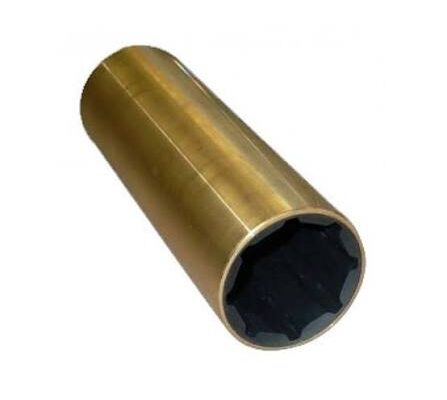
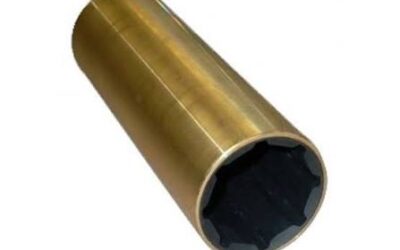
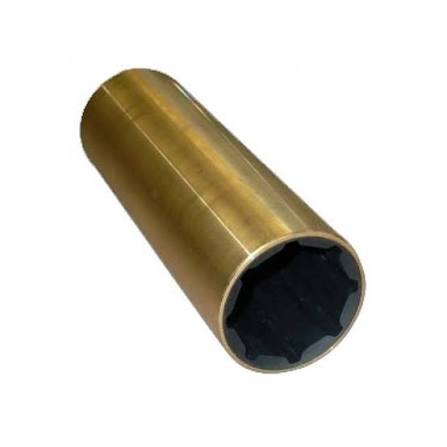
Water lubricated bearings are mechanical components designed to support rotating shafts while using water to minimize friction and wear. During operation, water flows through the clearance between the shaft and bearing surface, helping establish a lubricating film under suitable operating conditions.
Unlike conventional oil-lubricated bearings, these systems do not require petroleum-based lubricants as their primary lubrication medium. They commonly use rubber, engineering polymers, or specialized composite materials that can withstand continuous water exposure.
Their design offers several advantages for equipment operating in environments where water is readily available.
Common Applications in Marine Machinery
Marine equipment operates under demanding conditions involving moisture, saltwater, vibration, and continuous mechanical loads. Water lubricated bearings are particularly useful in several marine applications.
1. Ship Propeller Shaft Systems
One of the most common applications is supporting propeller shafts in ships and other marine vessels.
Propeller shafts rotate continuously to transfer power from the propulsion system to the propeller. Bearings help maintain shaft alignment and minimize friction during operation.
Water lubricated designs can use surrounding seawater as the lubrication medium when appropriate materials and configurations are selected.
Their main benefits include reduced dependence on conventional lubricants, vibration absorption in suitable designs, and lower risk of oil contamination in marine environments.
2. Marine Pumps
Marine vessels use different types of pumps for cooling, drainage, ballast management, and water circulation.
These pumps frequently operate in wet environments where water lubricated bearings may provide an effective solution.
The bearings support rotating shafts and help maintain smooth operation while reducing friction between mechanical components.
Material selection is particularly important because marine pumps may handle freshwater, seawater, or fluids containing suspended particles.
3. Submarine and Underwater Equipment
Certain underwater mechanical systems require bearing arrangements capable of operating under continuous water exposure and specific pressure conditions.
Water lubricated bearing designs may be considered for specialized underwater equipment where conventional lubrication systems are unsuitable.
The selected materials must maintain their mechanical properties under the expected pressure, temperature, and water conditions.
4. Marine Steering and Auxiliary Systems
Marine vessels contain several auxiliary mechanical systems that require reliable shaft support.
Depending on the equipment design, water lubricated bearings may be used in selected steering mechanisms, auxiliary pumps, and other rotating assemblies.
Their suitability depends on the required load capacity, rotational speed, and environmental exposure.
Common Applications in Industrial Machinery
Water lubricated bearings are also used in industrial facilities where machinery handles water or operates in continuously wet environments.
1. Industrial Water Pumps
Industrial pumps are widely used in manufacturing plants, water distribution networks, and processing facilities.
These systems require bearings that can support rotating shafts while maintaining consistent performance.
Water lubricated bearings are suitable for selected pump configurations, particularly where the operating fluid can provide the necessary lubrication.
Important applications include:
- Water circulation pumps.
- Vertical turbine pumps.
- Industrial cooling systems.
- Water supply equipment.
- Selected centrifugal pumping systems.
Proper bearing clearance, water quality, and operating speed are important for maintaining reliable performance.
2. Hydroelectric Power Plants
Hydroelectric facilities depend on turbines and auxiliary rotating machinery to generate electricity.
Some equipment configurations use water lubricated bearing systems to support rotating components under continuous operation.
These bearings must withstand mechanical loads, changing operating conditions, and prolonged exposure to water.
Material durability and accurate engineering are essential for maintaining reliable performance in hydroelectric applications.
3. Wastewater Treatment Plants
Wastewater treatment facilities operate various pumps, mixers, and mechanical systems that handle water containing suspended solids and chemical substances.
Specialized water lubricated bearings can be used in suitable equipment where the materials are compatible with the operating environment.
Their selection requires careful consideration of abrasive particles, chemical exposure, and maintenance requirements.
Appropriate filtration and flushing arrangements may also be necessary to minimize contamination-related wear.
4. Water Distribution Systems
Municipal and industrial water distribution networks rely on pumping stations to move water across different locations.
These facilities often operate continuously, making component reliability an important consideration.
Water lubricated bearings can support selected pump designs while reducing the need for conventional oil-based lubrication arrangements.
They may also help simplify maintenance where suitable water circulation is available.
5. Industrial Cooling Equipment
Manufacturing facilities, power stations, and processing plants use cooling systems to control operating temperatures.
Pumps and other rotating equipment within these systems may benefit from water lubricated bearing arrangements.
Their ability to operate in wet conditions and use circulating water makes them suitable for selected cooling and water circulation applications.
Key Benefits Across Different Applications
The growing use of water lubricated bearing technology is connected to several practical advantages.
Reduced Environmental Impact
Traditional oil-lubricated systems may experience leakage that introduces petroleum-based substances into surrounding water.
Water lubricated designs reduce dependence on these lubricants, making them attractive for marine and water-handling applications.
Simplified Maintenance
These bearings can eliminate certain oil replacement and grease application requirements.
However, regular inspections, water circulation checks, and wear monitoring remain necessary.
Effective Heat Dissipation
Water can absorb and transport heat away from bearing surfaces when adequate circulation is maintained.
This helps control operating temperatures and supports consistent machinery performance.
Resistance to Water Exposure
Specialized rubber, polymer, and composite materials can withstand continuous exposure to freshwater or seawater when appropriately selected.
Reduced Lubrication System Complexity
Some installations can operate without separate oil reservoirs, lubrication pumps, and associated components.
This may simplify equipment arrangements and reduce certain maintenance expenses.
Factors to Consider When Selecting Bearings for Different Applications
Not every water lubricated bearing is suitable for every marine or industrial installation. Engineers must evaluate operating conditions before selecting a particular design.
Water Quality
Water may contain sand, sediment, minerals, and chemical contaminants. These substances can increase abrasive wear and affect bearing performance.
The selected material and water circulation arrangement should match the fluid conditions.
Mechanical Load
Bearings must support the radial and axial loads generated during equipment operation.
Insufficient load capacity can lead to excessive wear, deformation, and premature failure.
Shaft Speed
Rotational speed influences hydrodynamic lubrication and friction.
The bearing must be designed to maintain suitable lubrication conditions across the expected operating speed range.
Material Compatibility
Rubber, polymers, and composite materials offer different mechanical and chemical properties.
Choosing the appropriate material helps improve durability and resistance to environmental deterioration.
Installation and Alignment
Incorrect installation can result in uneven loading, vibration, and premature wear.
Accurate shaft alignment and appropriate bearing clearance are essential for reliable operation.
Maintenance Practices for Long-Term Performance
Although water lubricated bearings can reduce conventional lubrication requirements, preventive maintenance remains important.
Operators should regularly inspect bearing surfaces for signs of excessive wear, deformation, or damage.
Other recommended practices include:
- Maintaining adequate water circulation.
- Monitoring vibration and operating temperature.
- Checking shaft alignment and bearing clearance.
- Removing excessive sediment from water passages.
- Inspecting connected mechanical components.
- Following manufacturer-recommended maintenance intervals.
These practices help identify potential problems before they cause significant equipment downtime.
Future Developments in Water Lubricated Bearing Applications
Advancements in material science and manufacturing technology continue to improve bearing design.
Modern engineering polymers and composite materials are helping manufacturers develop bearings with improved wear resistance, mechanical strength, and dimensional stability.
Precision manufacturing techniques also support more accurate bearing clearances and consistent product quality.
As industries continue to prioritize environmental responsibility and operational efficiency, water lubricated bearing technology may find additional applications in marine engineering, renewable energy, and industrial water management.
Conclusion
Water lubricated bearings play an important role in marine and industrial machinery by providing shaft support and reducing friction in water-based operating environments. Their applications include ship propeller shafts, marine pumps, hydroelectric equipment, wastewater treatment facilities, and industrial water distribution systems.
Their potential benefits include reduced petroleum-based lubricant use, simplified maintenance arrangements, effective heat dissipation, and suitability for continuous water exposure.
Selecting the right bearing requires careful evaluation of water quality, mechanical loads, shaft speed, material compatibility, and installation requirements. Specialized manufacturers such as Techemer contribute to this field by providing bearing solutions for different marine and industrial applications.
With appropriate engineering, material selection, and maintenance, water lubricated bearings can support reliable machinery operation and long-term equipment performance.