



How to Select a Reliable O-Ring Seal Supplier for Industrial Applications
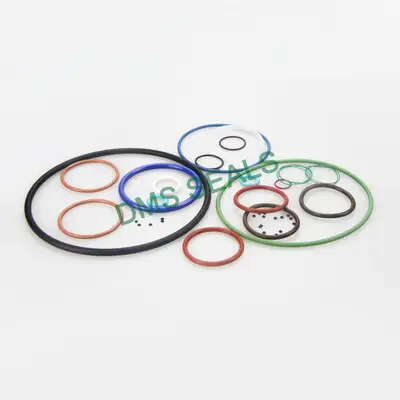
O-rings are essential sealing components in many industrial systems, helping prevent the leakage of liquids and gases while maintaining pressure and equipment efficiency. They are used in pumps, hydraulic machinery, automotive systems, compressors, pipelines, and various types of manufacturing equipment. Because these components often operate under demanding conditions, their quality and suitability can directly affect equipment reliability.
Choosing the right supplier involves more than comparing prices or checking product availability. A dependable O Ring Seal Supplier should offer suitable material options, consistent manufacturing quality, accurate dimensions, and technical support. Evaluating these factors before placing an order can help businesses reduce maintenance issues and establish a reliable supply arrangement.
Understand Your Application Requirements
The first step in selecting an O-ring supplier is understanding the conditions in which the seal will operate. Different applications require different material properties and dimensional specifications.
Before contacting potential suppliers, gather information about the equipment and sealing environment.
Important details include:
- Operating temperature range
- Working pressure and pressure fluctuations
- Type of fluid or gas being sealed
- Required O-ring dimensions
- Groove design and installation conditions
- Expected operating life
- Exposure to chemicals, moisture, or outdoor conditions
Providing accurate information helps a supplier recommend products that are appropriate for the application rather than offering a general-purpose option that may not perform as expected.
Evaluate the Supplier’s Material Range
Material selection is one of the most important considerations when sourcing O-rings. An elastomer that performs well in one environment may deteriorate quickly when exposed to incompatible chemicals, extreme temperatures, or unsuitable operating conditions.
A reliable supplier should understand the characteristics of commonly used rubber materials and their application limitations.
Nitrile Rubber (NBR)
NBR is frequently used in industrial applications involving petroleum-based oils, fuels, and hydraulic fluids. It is a common choice for automotive components, pumps, and hydraulic equipment.
Fluorocarbon (FKM)
FKM is often selected for applications requiring resistance to elevated temperatures, oils, fuels, and certain chemicals. It is used in demanding automotive and industrial environments.
Ethylene Propylene Diene Monomer (EPDM)
EPDM is commonly used in applications involving water, steam, ozone, and weather exposure. It is frequently considered for water systems and outdoor equipment.
Silicone Rubber
Silicone offers flexibility across a broad temperature range and is used in specialized industrial, medical-related, and food-processing applications when the appropriate grade is selected.
Neoprene
Neoprene provides a combination of properties that can make it suitable for selected applications involving weather exposure, ozone, and certain oils and chemicals.
A knowledgeable supplier should be able to explain the differences between these materials and help identify a suitable compound based on the actual operating environment.
Check Product Quality and Dimensional Accuracy
Even a high-quality rubber compound may not provide an effective seal if the O-ring dimensions are incorrect. Inside diameter, outside diameter, and cross-sectional thickness must match the equipment’s design requirements.
Dimensional variations can lead to insufficient compression, excessive deformation, installation difficulties, or leakage.
When comparing suppliers, ask about their inspection procedures and measurement capabilities. A structured quality process may include:
- Dimensional verification using suitable measuring instruments
- Visual inspection for cracks, cuts, air bubbles, and molding defects
- Hardness testing to confirm material consistency
- Evaluation of tensile strength and elongation
- Compression set testing where relevant
- Batch inspection and product traceability
Suppliers should also be able to clarify the dimensional tolerances and product specifications applicable to the order.
Review Manufacturing and Production Capabilities
A supplier’s manufacturing capabilities influence its ability to meet different product requirements. Some businesses need standard O-rings in regular quantities, while others require custom dimensions, specific elastomer compounds, or specialized production arrangements.
Understanding the available manufacturing processes can help buyers assess whether a supplier is suitable for their needs.
Compression Molding
Compression molding involves placing prepared rubber compound into a heated mold cavity. Pressure and heat shape and cure the material. It is widely used for producing rubber sealing components in different sizes.
Injection Molding
Injection molding forces prepared compound into closed mold cavities. It can support efficient production and repeatability when process conditions are properly controlled.
Transfer Molding
Transfer molding moves rubber compound from a separate chamber into mold cavities under pressure. It is useful for certain product designs and production requirements.
When evaluating a supplier, consider whether its production equipment, tooling, and process controls can support the required specifications and order quantities.
Assess Customization and Technical Support
Not every industrial application can use standard O-ring sizes. Specialized equipment may require non-standard dimensions, particular hardness levels, or material formulations designed for specific operating conditions.
A capable supplier should be able to review technical drawings, measurements, or product samples and discuss possible manufacturing solutions.
Technical support is also valuable when buyers are uncertain about material selection or sealing requirements. A supplier that asks relevant questions about temperature, pressure, fluid compatibility, and groove design is more likely to understand the application.
Before placing a custom order, confirm the following:
- Whether the required dimensions can be manufactured.
- Which material options are available.
- What tolerances can be maintained.
- Whether samples can be provided for evaluation.
- How approved specifications will be retained for repeat orders.
Clear technical communication can prevent misunderstandings and reduce the risk of receiving unsuitable products.
Consider Order Capacity and Delivery Reliability
Product quality is important, but supply reliability also affects industrial operations. Delayed sealing components can interrupt maintenance schedules, slow production, or leave equipment unavailable.
Businesses should evaluate whether a supplier can consistently meet their expected order quantities and delivery requirements.
Useful questions include:
- Can the supplier handle both small and bulk orders?
- Are standard products regularly available?
- What are the typical production lead times for custom items?
- Can repeat orders be manufactured to previously approved specifications?
- How are urgent requirements and production changes managed?
It is also helpful to discuss packaging and transportation arrangements. Proper packaging protects rubber products from contamination, deformation, and unnecessary exposure during storage and shipment.
Verify Quality Standards and Documentation
Quality certifications and technical documentation can provide useful evidence of a supplier’s manufacturing controls. However, buyers should confirm that the documentation is relevant to the products and requirements involved.
ISO 9001 is a widely recognized quality management standard that provides a framework for controlling business and production processes. ISO 3601 covers important requirements for O-rings, including dimensions and related specifications.
Depending on the application, buyers may also need material certificates, inspection reports, or batch identification records.
A reliable supplier should be able to explain which standards and tests apply to its products. Certification alone should not replace direct evaluation of product specifications and quality performance.
Compare Pricing Without Compromising Quality
Price is an important purchasing factor, particularly for businesses that order O-rings in large quantities. However, choosing the lowest-priced option without evaluating product suitability can create higher costs later.
An unsuitable seal may require frequent replacement, cause leakage, damage surrounding components, or increase maintenance expenses.
When comparing quotations, consider:
- Material grade and compound specifications
- Dimensional tolerances
- Testing and inspection requirements
- Order quantity and production setup costs
- Packaging and delivery charges
- Availability of technical documentation
- Expected product service life under actual conditions
A complete cost evaluation should consider the total impact of the sealing component rather than focusing only on its initial purchase price.
Warning Signs When Choosing a Supplier
Some issues may indicate that a supplier is not suitable for demanding industrial requirements. Buyers should pay attention to warning signs during the evaluation process.
- Unclear material information: The supplier cannot identify the material grade or provide meaningful compatibility details.
- Limited technical communication: Questions about dimensions, pressure, or operating conditions receive vague responses.
- Inconsistent specifications: Product dimensions or material details vary between quotations and supplied goods.
- No clear inspection process: The supplier cannot explain how products are checked before delivery.
- Unrealistic performance claims: Products are described as suitable for every environment without considering material limitations.
- Poor order documentation: Specifications, quantities, and delivery requirements are not clearly recorded.
Identifying these concerns early can help businesses avoid unnecessary sourcing risks.
Build a Long-Term Supplier Relationship
Establishing a consistent relationship with a dependable O-ring supplier can make procurement and maintenance planning easier. Once product specifications have been verified, repeat orders can be managed with clearer documentation and fewer technical uncertainties.
Long-term cooperation may also improve communication about material changes, custom requirements, production schedules, and quality concerns.
Businesses should periodically review supplier performance by monitoring product consistency, delivery reliability, response times, and the handling of quality issues. This helps ensure that the relationship continues to meet operational requirements as business needs change.
Conclusion
Selecting a reliable O-ring seal supplier requires careful evaluation of material options, product quality, manufacturing capabilities, customization support, and delivery performance. Each factor contributes to the suitability and reliability of the sealing components used in industrial equipment.
By defining application requirements and asking detailed questions before placing an order, businesses can make more informed sourcing decisions. A supplier with appropriate technical knowledge, consistent quality procedures, and dependable production capabilities can help support efficient equipment operation and reduce avoidable sealing problems.