







Buying L-Glutamine in Bulk: Quality Standards, Storage, and Supplier Considerations
Purchasing L-glutamine in bulk can be a practical option for supplement manufacturers, food processors, nutrition product developers, and other businesses that require consistent quantities of amino acid ingredients. However, buying larger volumes involves more than comparing prices. Ingredient identity, purity, manufacturing controls, documentation, packaging, and storage conditions all influence product suitability and long-term quality.
L-glutamine is a conditionally essential amino acid involved in protein metabolism, nitrogen transport, and several cellular functions. It is naturally produced by the human body and is also present in protein-containing foods. Businesses evaluating L Glutamine Bulk purchasing options should assess both the material’s technical specifications and the supplier’s ability to provide reliable, traceable batches over time.
Understanding Bulk L-Glutamine
L-glutamine is the naturally occurring L-form of glutamine, an amino acid used in nutritional products, food formulations, and laboratory applications. It plays roles in protein synthesis, cellular energy metabolism, and nitrogen transport.
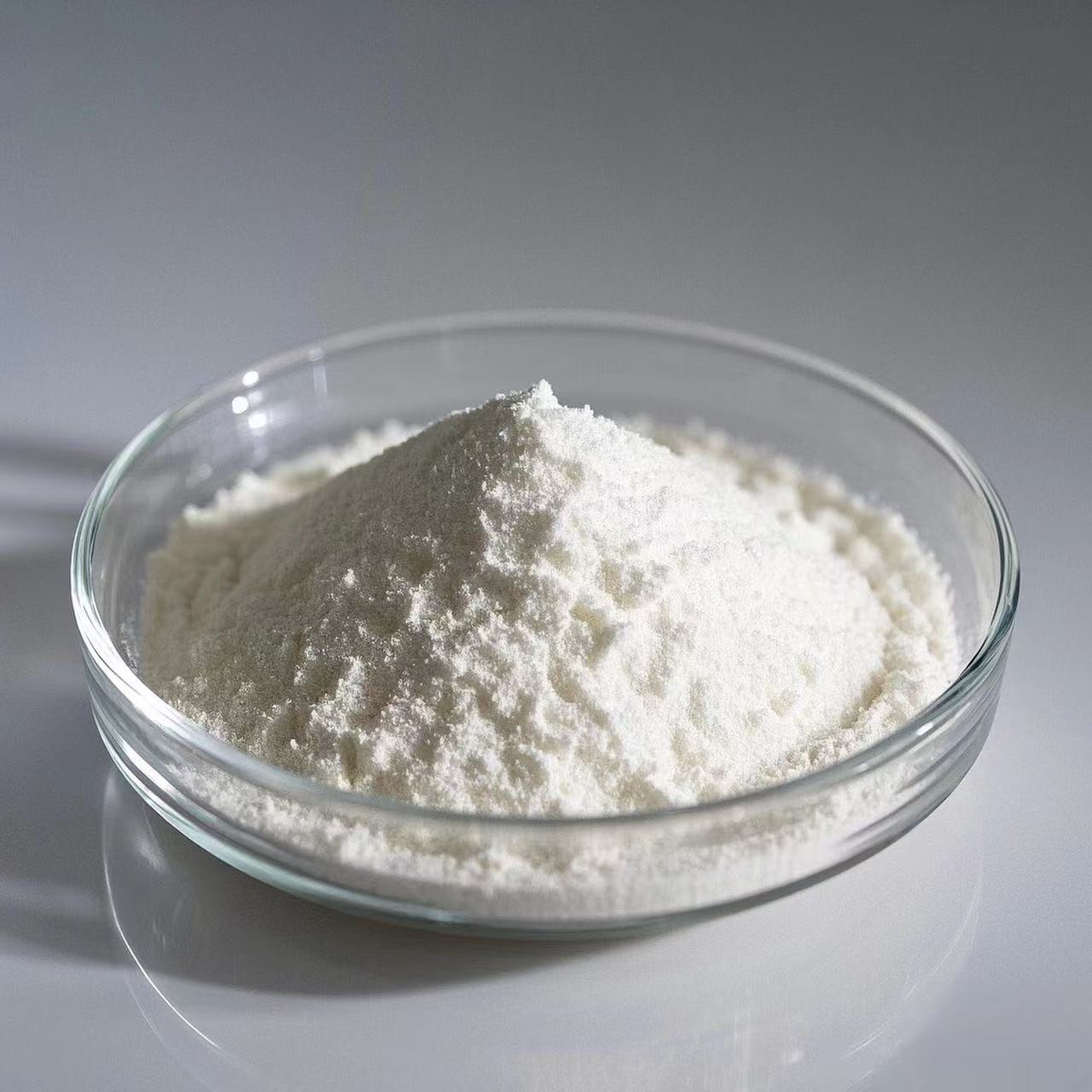
Bulk L-glutamine is generally supplied as a powdered ingredient in larger containers or industrial packaging. Depending on the manufacturer and intended application, available quantities may range from multi-kilogram packages to larger commercial shipments.
Before requesting a quotation, buyers should establish the intended application. Food and dietary supplement manufacturing may require different specifications from laboratory research or other technical uses. Selecting the correct grade is essential because products intended for one application are not automatically suitable for another.
Why Businesses Purchase L-Glutamine in Bulk
Bulk purchasing can provide operational advantages when demand is predictable and appropriate quality controls are in place.
1. Improved Procurement Efficiency
Ordering larger quantities can reduce the frequency of purchase orders, deliveries, and supplier coordination. This may simplify procurement planning for manufacturers that use glutamine regularly.
A consolidated purchasing schedule can also make it easier to coordinate ingredient availability with production requirements.
2. Potential Cost Advantages
Suppliers may offer different pricing structures depending on order volume, packaging, shipping arrangements, and contractual terms.
Larger orders can sometimes reduce the cost per unit, although buyers should evaluate the complete landed cost rather than focusing only on the quoted ingredient price. Freight, import duties, testing, storage, and potential product losses can affect the overall economics.
3. More Consistent Production Planning
Maintaining an appropriate inventory of qualified ingredients can help manufacturers avoid interruptions caused by unexpected supply delays.
For businesses with recurring production schedules, bulk purchasing may make it easier to plan raw material requirements and coordinate manufacturing operations.
4. Supplier Relationship Development
Regular purchasing from a qualified supplier can support more consistent communication, documentation management, and quality expectations.
Long-term supply arrangements may also provide better visibility into lead times, batch availability, and future procurement needs.
Essential Quality Standards for Bulk L-Glutamine
Quality evaluation is particularly important when purchasing amino acids in commercial quantities. A low-cost ingredient may create additional expenses if it fails specifications, arrives with inadequate documentation, or cannot be traced to its manufacturing batch.
1. Ingredient Identity
The supplier should clearly identify the material as L-glutamine. Buyers should verify that the product description, technical data sheet, label, and certificate of analysis refer to the same ingredient.
Identity testing helps confirm that the supplied material matches the intended specification.
2. Purity and Composition
Purity indicates the proportion of the material that meets the defined chemical specification. Buyers should review the supplier’s stated purity limits and the analytical method used to determine them.
It is important to distinguish between a specification target and an actual batch result. A certificate of analysis should report relevant results for the specific lot being supplied.
3. Moisture Content
Moisture can influence the handling and storage stability of powdered ingredients. Excess moisture may contribute to clumping and create conditions that complicate product management.
Buyers should review the moisture or loss-on-drying specification and confirm that the supplier uses appropriate packaging and storage controls.
4. Microbiological Quality
For food and dietary supplement applications, microbiological specifications should match the intended product category and applicable regulations.
Depending on the application, testing may address total microbial counts, yeast and mold, and specified pathogenic microorganisms.
5. Heavy Metals and Contaminants
Buyers should evaluate the supplier’s controls for relevant contaminants, including heavy metals. Testing requirements may vary according to jurisdiction, ingredient grade, and finished-product application.
A clear contaminant specification and appropriate analytical evidence provide greater confidence than a general statement that the product is high quality.
6. Manufacturing and Quality Management
Review the supplier’s quality management system and applicable manufacturing certifications. Depending on the intended market, relevant controls may include food safety management, good manufacturing practices, and documented procedures for batch release.
Certifications should be verified for their scope and validity rather than treated as interchangeable guarantees of product suitability.
Documents to Request From a Bulk L-Glutamine Supplier
Reliable documentation helps buyers evaluate an ingredient before placing a large order. It also supports internal quality assurance and regulatory review.
Important documents may include:
| Document | Purpose |
|---|---|
| Certificate of Analysis (CoA) | Reports analytical results for a specific batch |
| Technical Data Sheet (TDS) | Describes product properties and specifications |
| Safety Data Sheet (SDS) | Provides handling, storage, and safety information |
| Product Specification | Defines acceptance criteria and quality limits |
| Manufacturing Information | Describes relevant production and quality controls |
| Allergen Statement | Identifies relevant allergen information |
| Origin Documentation | Provides information about manufacturing or product origin |
| Relevant Certifications | Supports assessment of applicable quality or food safety systems |
Not every document applies to every application. Buyers should identify their regulatory and technical requirements before approving a supplier.
How to Evaluate a Bulk L-Glutamine Supplier
Supplier selection affects more than the initial purchase. A dependable supplier should be able to meet agreed specifications, communicate clearly, and maintain consistent delivery arrangements.
1. Assess Manufacturing and Supply Capabilities
Determine whether the supplier manufactures the ingredient directly or sources it from another producer. Both models can be suitable, provided the supply chain is transparent and quality responsibilities are clearly defined.
Ask about production capacity, available inventory, standard lead times, and the ability to support recurring orders.
2. Review Batch Consistency
Request certificates of analysis from multiple production lots when possible. Comparing results can help identify variation in purity, moisture, and other relevant parameters.
Consistent batch performance is particularly important for businesses using glutamine in standardized formulations.
3. Confirm Traceability
A suitable supplier should maintain batch identification and records that connect delivered material to its production and quality documentation.
Traceability supports investigations, quality complaints, and product recalls when necessary.
4. Evaluate Communication and Technical Support
A supplier should respond clearly to questions about specifications, packaging, testing, and shipping.
Technical support is especially useful when a buyer needs to confirm whether a particular grade is appropriate for a food, supplement, or research application.
5. Check Commercial Terms
Before placing an order, clarify minimum order quantities, payment terms, delivery conditions, shipping responsibilities, and procedures for handling rejected or damaged shipments.
Written agreements help prevent misunderstandings and establish expectations for future transactions.
Storage and Handling of Bulk L-Glutamine
Proper storage helps preserve the quality of powdered amino acid ingredients between delivery and production.
Keep the Product Dry
L-glutamine powder should be protected from moisture. Containers should remain sealed when not in use, and handling areas should be maintained in suitable environmental conditions.
Use clean, dry equipment when transferring or measuring the material.
Avoid Excessive Heat
Follow the supplier’s recommended temperature range and avoid exposing the ingredient to unnecessary heat. Storage conditions should be consistent with the product’s stability information.
Use Suitable Packaging
Bulk packaging should protect the powder from moisture, contamination, and physical damage during transportation and storage.
Depending on order size and application, packaging may include sealed bags, lined drums, or other approved containers. Buyers should confirm that packaging materials are appropriate for the intended use.
Maintain Inventory Controls
A structured inventory system helps ensure that material is used within its specified shelf life.
Useful practices include:
- Recording batch numbers and receipt dates.
- Tracking expiry or retest dates where applicable.
- Using first-expiry-first-out inventory procedures.
- Inspecting packaging for damage upon receipt.
- Separating released materials from quarantined or rejected stock.
- Maintaining storage condition records when required.
These controls reduce the likelihood of using unsuitable or poorly documented material in production.
Common Challenges When Buying L-Glutamine in Bulk
Large-volume procurement can introduce risks that are less significant when purchasing small quantities.
Inconsistent Product Specifications
Different suppliers may use different analytical methods, specification limits, or reporting formats. Comparing products only by their stated purity can therefore be misleading.
Buyers should establish standardized acceptance criteria before comparing quotations.
Inadequate Documentation
Missing or incomplete certificates can delay incoming quality approval. Establish documentation requirements during supplier qualification rather than waiting until the shipment arrives.
Poor Storage or Transportation Conditions
Improper packaging and exposure to moisture or unsuitable temperatures may affect the condition of the powder. Confirm shipping arrangements and inspect delivered containers before accepting them into inventory.
Unexpected Supply Delays
International shipments may be affected by customs clearance, transportation disruptions, and changes in production schedules.
Businesses should account for lead times and maintain an inventory buffer appropriate to their consumption rate and supply risk.
Choosing Price Over Quality
A lower quotation does not necessarily represent better value. If an ingredient fails quality requirements or arrives without adequate traceability, the resulting production delays and testing costs may outweigh the initial savings.
Calculating the Right Bulk Order Quantity
The appropriate order size depends on production demand, storage capacity, supplier lead time, and the ingredient’s shelf life.
A basic purchasing estimate can be calculated using:
Required order quantity = Expected consumption during the planning period + Safety stock − Available inventory
For example, a manufacturer can estimate its monthly glutamine consumption, calculate the quantity needed until the next expected delivery, and add a reasonable buffer for supply uncertainty.
The final order should also account for minimum order quantities, packaging sizes, storage conditions, and the risk of holding excess inventory for too long.
Conclusion
Buying L-glutamine in bulk can support efficient procurement, predictable production planning, and potentially lower unit costs for businesses with regular ingredient requirements. However, successful purchasing depends on selecting the correct grade, verifying quality specifications, reviewing batch documentation, and evaluating supplier reliability.
Buyers should pay particular attention to ingredient identity, purity, moisture, microbiological quality, contaminant controls, and batch traceability. Proper packaging, dry storage, inventory management, and clear commercial agreements are equally important.
By establishing technical and commercial requirements before placing an order, businesses can make more informed procurement decisions and build a dependable supply process for bulk L-glutamine.