



How Single Phase Pole Mounted Transformers Support Reliable Electricity Distribution in Residential Areas
Reliable electricity is essential for comfortable and functional residential living. Homes depend on a stable power supply for lighting, heating and cooling systems, kitchen appliances, communication devices, and everyday electronic equipment. To deliver electricity at suitable voltage levels, distribution networks use transformers that reduce the voltage supplied through power lines before it reaches residential consumers.
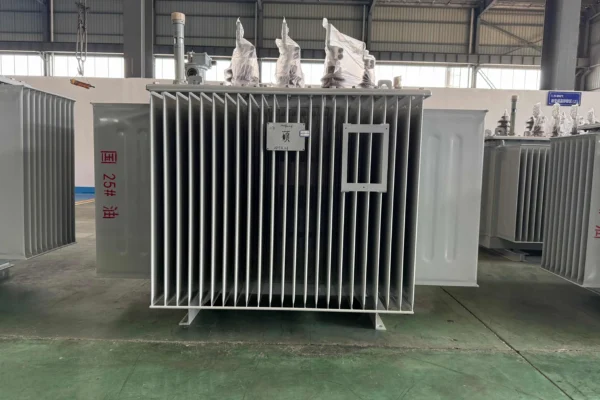
A Single Phase Pole Mounted Transformer is commonly used in overhead distribution networks to provide electricity to individual homes or small groups of residential properties. Installed on utility poles, these transformers offer a practical way to step down distribution voltage while making efficient use of available space. Understanding their design, operation, and benefits helps explain their important role in maintaining dependable electricity distribution in residential areas.
What Is a Single Phase Pole Mounted Transformer?
A single-phase pole-mounted transformer is an electrical distribution unit installed on a utility pole to reduce medium-voltage electricity to a lower voltage suitable for residential use.
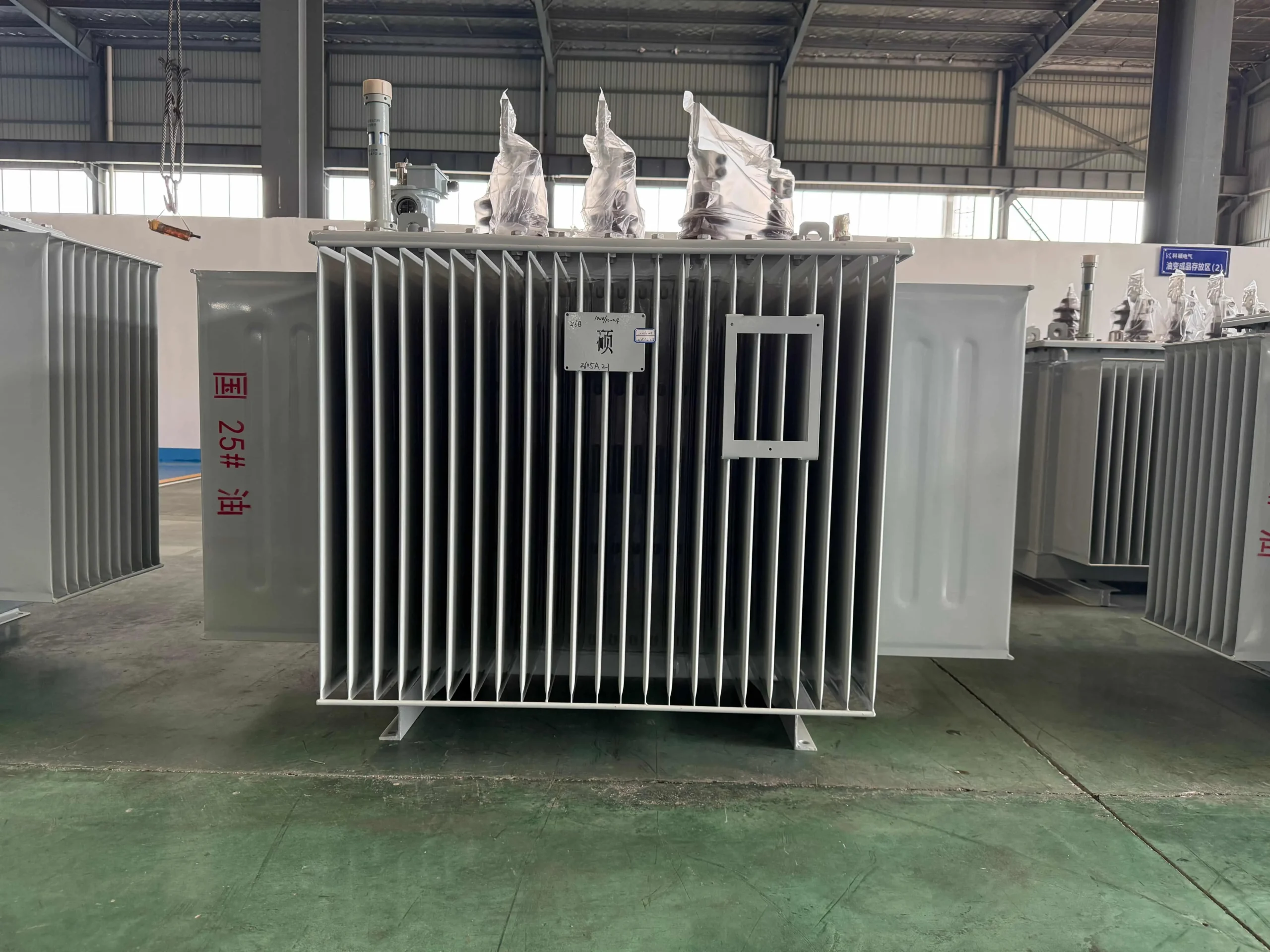
It typically receives electricity from an overhead distribution line and supplies power through a secondary connection to nearby consumers. The transformer contains a magnetic core, primary winding, secondary winding, and an enclosure designed to protect its internal components.
These transformers are widely used in areas where overhead power distribution is more practical or economical than underground electrical infrastructure.
Their relatively compact construction and elevated installation make them suitable for residential streets, rural communities, and locations with lower electricity demand.
How Single Phase Pole Mounted Transformers Work
The operating principle of a single-phase transformer is based on electromagnetic induction. It transfers electrical energy between two windings through a changing magnetic field.
The process involves several basic stages:
- Primary power supply: Electricity enters the transformer through its high-voltage primary connection.
- Magnetic induction: Alternating current in the primary winding produces a changing magnetic field within the core.
- Voltage transformation: The magnetic field induces voltage in the secondary winding according to the winding turns ratio.
- Residential distribution: The reduced voltage is supplied through the secondary circuit to connected homes or nearby loads.
The output voltage must match the requirements of the local distribution system and residential electrical installations.
Because the transformer operates with a single-phase supply, it is particularly suitable for residential loads that do not require a three-phase connection.
Key Components of a Pole Mounted Transformer
Understanding the main components helps explain how these transformers operate and maintain reliable service.
Magnetic Core
The core provides a path for magnetic flux between the primary and secondary windings. It is commonly manufactured from laminated electrical steel designed to reduce energy losses.
Primary Winding
The primary winding receives electricity from the medium-voltage distribution network. Its electrical characteristics are selected according to the required input voltage and transformer rating.
Secondary Winding
The secondary winding delivers electricity at a lower voltage suitable for residential distribution. Its configuration depends on the local electrical supply requirements.
Insulating System
Electrical insulation separates the windings and other energized components. In oil-filled designs, insulating oil provides both dielectric insulation and cooling.
Transformer Tank
The tank houses and protects the internal components. It is designed to withstand outdoor operating conditions and maintain the required insulation arrangement.
Bushings and Connections
Bushings provide insulated paths for electrical connections entering and leaving the transformer. They must be suitable for the relevant voltage levels and environmental conditions.
Protective Accessories
Depending on the design, pole-mounted transformers may include protective components such as lightning arresters, fuses, and pressure-relief devices.
These components help manage electrical faults and certain abnormal operating conditions.
Why Single Phase Transformers Are Common in Residential Areas
Residential electricity demand differs from the requirements of large industrial facilities. Most individual homes use single-phase electricity for everyday appliances and lighting.
Single-phase pole-mounted transformers provide a practical distribution solution for these loads.
Suitable for Residential Electricity Demand
These transformers can supply the electrical requirements of individual houses or small groups of consumers, depending on their rated capacity and the network design.
Practical for Overhead Networks
In areas where overhead distribution lines are already established, pole-mounted transformers can be integrated into the existing infrastructure without requiring extensive underground cable installation.
Efficient Use of Space
Elevated installation keeps the transformer away from normal ground-level activities and avoids occupying valuable space within residential properties.
Flexible Network Planning
Utilities can position transformers at suitable points along distribution routes based on consumer demand, cable arrangements, and voltage-drop considerations.
Convenient Access for Utility Personnel
Authorized technicians can inspect and service pole-mounted equipment using appropriate access equipment and electrical safety procedures.
Applications in Residential and Rural Electricity Distribution
Single-phase pole-mounted transformers are used in different types of communities where overhead distribution systems provide a suitable way to deliver electricity.
Individual Residential Properties
In lower-density areas, a transformer may supply one home or a small number of nearby properties. Its capacity is selected according to expected electricity consumption and network requirements.
Rural Communities
Rural distribution networks often cover large geographical areas with relatively low consumer density. Pole-mounted transformers offer a practical approach to supplying homes located along overhead distribution routes.
Suburban Neighborhoods
Some suburban areas use overhead electricity distribution to connect residential streets and smaller housing developments. Single-phase transformers can serve individual sections of these networks.
Agricultural Properties
Farms and agricultural buildings may require electricity for lighting, small pumps, workshops, and other single-phase equipment. A suitably rated transformer can provide power where the connected load does not require a three-phase supply.
Small Commercial Buildings
Certain small shops, offices, and service buildings use single-phase electrical systems. Depending on their power requirements, pole-mounted transformers may support these installations.
Factors That Influence Transformer Capacity Selection
Selecting the correct transformer capacity is essential for maintaining reliable electricity supply. A unit that is too small may experience excessive loading, while an unnecessarily large transformer can increase equipment and operating costs.
Several factors should be evaluated before selecting a suitable rating.
Connected Electrical Load
Engineers should identify the appliances and equipment expected to operate within the transformer service area. Lighting, air conditioning, refrigerators, water pumps, and other electrical devices all contribute to total demand.
Demand Diversity
Not all residential consumers use their maximum electrical load simultaneously. Diversity factors help utilities estimate realistic peak demand across connected properties.
Future Electricity Requirements
Residential electricity consumption may increase as households add appliances, electric heating, or electric vehicle charging equipment.
Planning for reasonable future demand can reduce the need for premature transformer replacement.
Voltage Drop
Long distribution distances can affect the voltage received by consumers. Engineers should consider conductor size, network length, loading conditions, and transformer location when designing the distribution system.
Environmental Conditions
Ambient temperature, altitude, humidity, and exposure to severe weather can influence transformer performance and the appropriate equipment rating.
Important Design and Safety Features
Pole-mounted transformers operate outdoors and are exposed to changing weather and environmental conditions. Their construction must therefore support safe and dependable operation.
Weather-Resistant Construction
The enclosure and external components should be designed to withstand rain, sunlight, dust, and temperature variations.
Electrical Protection
Suitable fuses and other protective devices help isolate faults and limit the risk of damage to the transformer and connected distribution network.
Lightning Protection
Overhead electrical networks may be exposed to lightning-related voltage surges. Properly selected surge protection devices can help reduce the risk of insulation damage.
Grounding Arrangements
Correct grounding is essential for electrical safety and fault management. Grounding design must follow local electrical regulations and utility requirements.
Secure Installation
Transformers must be mounted on suitable utility poles with appropriate structural support, clearances, and access restrictions. Installation should be carried out only by qualified utility personnel.
Maintenance Practices for Reliable Performance
Regular inspection and maintenance help utilities identify problems before they lead to equipment failure or interruptions in electricity supply.
Common maintenance activities include:
- Visual inspection: Check the transformer tank, bushings, connections, and mounting arrangements for visible damage.
- Leak detection: Inspect oil-filled units for signs of insulating oil leakage.
- Connection assessment: Examine electrical connections for deterioration, overheating, or other abnormal conditions.
- Insulation testing: Perform suitable electrical tests according to the maintenance schedule and equipment requirements.
- Load monitoring: Review transformer loading to identify possible overloading or unusual demand patterns.
- Protective device inspection: Verify that fuses and other protection components are appropriate and in suitable operating condition.
- Environmental assessment: Check for corrosion, vegetation interference, and other external factors that could affect the equipment.
Maintenance activities must follow approved safety procedures, including isolation and verification of de-energized conditions where required.
Common Causes of Residential Distribution Transformer Problems
Although pole-mounted transformers are designed for outdoor operation, several factors can affect their performance.
Overloading
When electricity demand exceeds the transformer’s rated capacity, internal temperatures may rise and accelerate insulation deterioration.
Lightning and Voltage Surges
Electrical surges can place excessive stress on transformer insulation and connected components.
Insulation Ageing
Insulation materials gradually deteriorate due to temperature, moisture, oxidation, and normal operating stress.
Poor Electrical Connections
Loose or deteriorated connections can increase resistance and create localized heating.
Environmental Exposure
Corrosion, contamination, severe weather, and physical damage may affect external components and protective enclosures.
Identifying these conditions through regular inspection and suitable testing helps utilities maintain distribution reliability.
Single Phase vs. Three Phase Pole Mounted Transformers
The choice between single-phase and three-phase equipment depends mainly on the electrical requirements of the connected consumers.
| Feature | Single-phase transformer | Three-phase transformer |
|---|---|---|
| Power supply | Single-phase | Three-phase |
| Typical applications | Individual homes and smaller loads | Commercial and industrial loads |
| System complexity | Generally simpler | More complex |
| Load requirements | Suitable for single-phase consumers | Suitable for three-phase equipment |
| Distribution use | Lower-demand service areas | Higher-demand distribution networks |
Single-phase transformers are often appropriate for residential distribution, while three-phase systems are generally selected where larger loads, industrial motors, or three-phase equipment are involved.
The final choice should always be based on electrical load calculations and the distribution network design.
How to Choose a Reliable Transformer Manufacturer
The quality of a distribution transformer depends on its design, materials, manufacturing processes, and testing procedures. Utilities and project contractors should evaluate suppliers carefully before purchasing equipment.
Consider these factors:
- Manufacturing experience: Review the supplier’s experience with distribution transformers and pole-mounted designs.
- Technical specifications: Confirm that voltage ratings, capacity, frequency, and connection arrangements match the project requirements.
- Quality assurance: Ask about raw material inspection, production controls, and final testing procedures.
- Applicable standards: Verify compliance with relevant IEC, IEEE, or regional utility requirements.
- Product documentation: Request technical drawings, test reports, operating instructions, and warranty information.
- After-sales support: Evaluate the availability of technical assistance, spare parts, and maintenance guidance.
- Delivery capability: Confirm production timelines, packaging arrangements, and transportation requirements.
A detailed comparison helps buyers select equipment that offers dependable performance rather than focusing only on the initial purchase price.
Conclusion
Single-phase pole-mounted transformers play an important role in residential electricity distribution by reducing medium-voltage power to levels suitable for homes and smaller consumers. Their elevated installation, practical design, and compatibility with overhead distribution networks make them useful in rural communities, suburban neighborhoods, and individual residential applications.
Reliable performance depends on selecting the correct capacity, using appropriate protective components, following installation requirements, and maintaining the equipment regularly. With proper engineering and maintenance, these transformers help utilities deliver stable electricity and support the everyday needs of residential communities.