



Why Bare Copper Strands Are Essential for Effective Lightning Protection Systems
A lightning strike can release an enormous amount of electrical energy in a fraction of a second. When a building or structure is struck, that energy needs a carefully engineered path toward the ground. Without an effective protection arrangement, lightning current can cause structural damage, ignite fires, destroy electrical equipment, and create dangerous voltage differences around the installation. A reliable lightning protection system is therefore an important consideration for buildings, industrial facilities, communication towers, and other exposed structures.
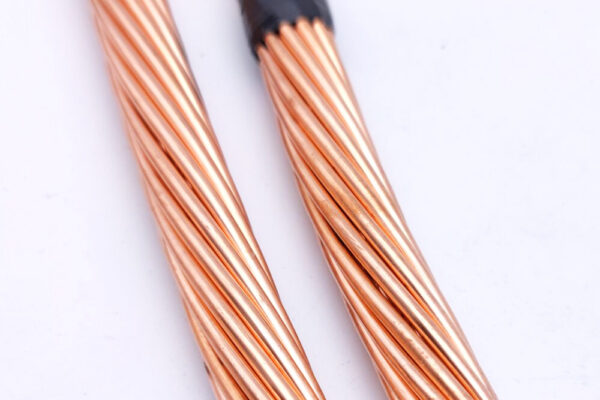
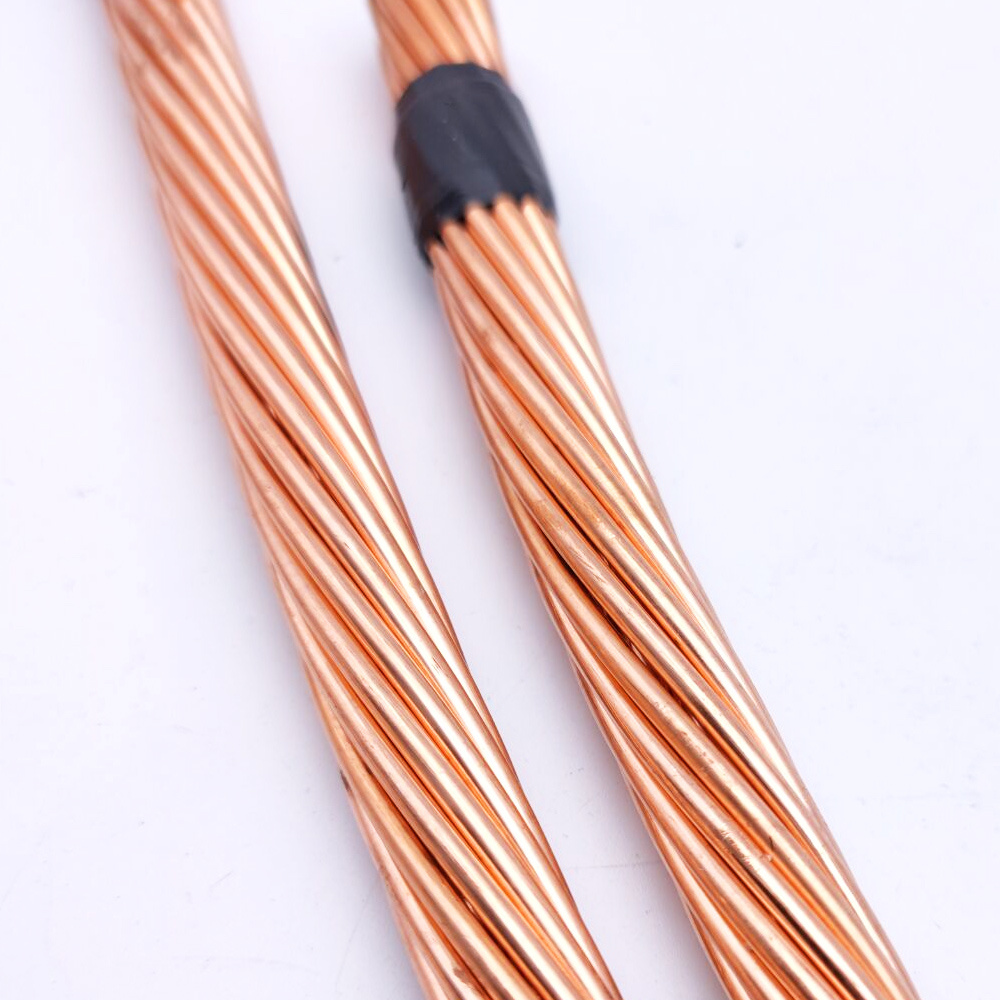
The conductors used in these systems have a direct influence on how electrical energy is carried between protection components and the grounding network. A Lightning Protection Bare Copper Strand provides a conductive connection that can be incorporated into suitable lightning protection and earthing arrangements. Its copper construction offers excellent electrical conductivity, while the multiple-strand design provides flexibility for routing around structural features and connection points.
Understanding the Role of Conductors in Lightning Protection
A lightning protection system is designed to intercept lightning strikes and provide a controlled route for the resulting current toward earth. It generally consists of several interconnected elements that work together rather than relying on a single conductor.
The main components include:
- Air terminals: Positioned at suitable locations to intercept lightning strikes.
- Down conductors: Carry lightning current from the air termination system toward the grounding network.
- Grounding electrodes: Transfer current from the protection system into the surrounding soil.
- Bonding connections: Connect designated metallic components to help reduce dangerous potential differences.
- Inspection and test points: Allow technicians to assess the condition and continuity of the system.
Bare copper conductors may be used in suitable parts of this arrangement, depending on the system design and applicable standards. Their dimensions, routing, and connection methods must be selected according to the expected electrical and environmental stresses.
Why Copper Is a Preferred Material for Lightning Protection
Material selection matters because lightning protection conductors must withstand substantial electrical and mechanical demands. Copper has several characteristics that make it a common choice.
Excellent Electrical Conductivity
Copper has high electrical conductivity, allowing current to travel through a properly designed conductor with relatively low resistance. This makes it suitable for applications where lightning current must be carried through interconnected protection components.
However, lightning performance is not determined by conductivity alone. Conductor dimensions, geometry, connection quality, routing, and system configuration also matter.
Good Corrosion Resistance
Copper generally performs well in many outdoor environments. It develops a surface oxide layer that can help limit further corrosion under suitable conditions.
Even so, exposure to aggressive soil, industrial pollutants, salt, or incompatible metals can affect its long-term condition. Environmental compatibility should be evaluated during system design.
Mechanical Reliability
Copper offers a useful combination of conductivity and mechanical properties. When manufactured to the required specifications, copper strands can provide a dependable conductor for fixed electrical installations.
Suitable supports and fastening arrangements are still necessary to prevent physical damage or movement.
Compatibility With Grounding Arrangements
Copper is widely used in earthing systems, allowing compatible conductors, connectors, and electrodes to be incorporated into an interconnected grounding network.
The specific components must be selected to avoid incompatible material combinations and connection-related corrosion.
What Makes Stranded Bare Copper Different?
Bare stranded copper is made by combining multiple individual copper wires into a single conductor without an outer insulating jacket.
This construction differs from solid copper, which consists of one continuous metal section. The smaller individual strands allow the finished conductor to bend more easily and adapt to installation routes involving curves and changes in direction.
The word bare describes the absence of insulation. It does not mean the conductor can be installed without protection or restrictions. Its placement must comply with the lightning protection design, electrical clearances, and relevant installation standards.
Stranded construction is particularly useful where a conductor must follow structural surfaces, connect separate system components, or accommodate installation layouts that are difficult to serve with rigid conductors.
How Bare Copper Strands Contribute to Lightning Protection Performance
The value of a stranded copper conductor becomes clearer when considering the demands of a lightning protection installation.
1. Providing a Conductive Path
The conductor can connect designated components of the lightning protection system, helping establish the intended electrical route between the air termination system and the grounding arrangement.
This route must be designed to handle lightning current without relying on unsuitable or accidental conductive paths.
2. Supporting Flexible Installation Routes
Buildings have different shapes, roof structures, external walls, and architectural features. Stranded conductors can be easier to position around these features than rigid solid conductors.
This can simplify installation when routing is carefully planned to meet the system’s electrical and mechanical requirements.
3. Connecting Grounding Components
Lightning protection systems depend on effective connections between down conductors and grounding electrodes. Copper strands can be used in suitable connecting arrangements where the conductor and termination method are approved for the application.
Secure connections help maintain electrical continuity throughout the system.
4. Supporting Equipotential Bonding
Lightning current can create substantial voltage differences between separate conductive components. Bonding connects designated metalwork and services to help reduce dangerous potential differences.
Bare copper conductors may form part of these bonding arrangements when specified by the system design.
5. Contributing to Long-Term System Integrity
Copper’s material properties can support long-term service in appropriate environments. Combined with correct installation, suitable connectors, and periodic inspection, it can help maintain the continuity of the lightning protection network.
Where Are Bare Copper Strands Used in Lightning Protection?
Different structures face different lightning exposure and protection requirements. The following are common application areas where copper conductors may form part of a properly designed system.
Commercial and High-Rise Buildings
Tall buildings have considerable exposure to lightning because of their height and location. Their protection systems may include rooftop air terminals, down conductors, and interconnected grounding electrodes.
Copper conductors can be incorporated into suitable sections of these installations. Routing must account for the building’s structure, separation distances, bonding requirements, and access for inspection.
Industrial Plants and Manufacturing Facilities
Factories often contain large metal structures, storage tanks, processing equipment, and electrical installations. Lightning protection is important because a strike may affect both the building and its operational systems.
Copper conductors can support selected down-conductor, grounding, and bonding functions. Facilities handling flammable or explosive materials require particularly careful assessment and compliance with relevant hazardous-area and lightning protection requirements.
Telecommunications Towers
Communication towers are often located in exposed positions and contain sensitive electronic equipment. Lightning protection arrangements help provide a designed path for lightning current while supporting bonding of designated conductive structures.
Copper conductors may be used in suitable grounding and bonding sections, with particular attention given to connection integrity and coordination with equipment protection systems.
Solar Power Installations
Solar farms contain extensive metallic mounting structures, electrical enclosures, inverters, and exposed cable routes. These installations may require coordinated lightning protection, grounding, and surge protection measures.
Bare copper conductors can be used in appropriate parts of the grounding network. Designers should consider contact between copper and other metals, especially aluminium, to avoid galvanic corrosion.
Warehouses and Distribution Centers
Large warehouses often have broad roof areas and extensive internal electrical installations. A properly designed lightning protection system can help protect the building structure and reduce risks to equipment.
Copper conductors may be used to connect roof-level protection components with down conductors and the grounding network.
Public Infrastructure and Utility Facilities
Water treatment facilities, power infrastructure, transport facilities, and other public installations may contain exposed structures and critical electrical equipment.
Their lightning protection arrangements need to account for site exposure, equipment sensitivity, grounding conditions, and operational continuity.
Bare Copper Strands Compared With Solid Copper Conductors
Both stranded and solid copper conductors have roles in electrical installations. Their suitability depends on the design and physical requirements of the application.
| Feature | Bare Stranded Copper | Solid Copper |
|---|---|---|
| Construction | Multiple individual strands | One continuous copper section |
| Flexibility | Generally more flexible | More rigid |
| Installation routing | Useful for curved or complex routes | Suitable for simpler fixed routes |
| Handling | Easier to position in many layouts | Can require more effort to shape |
| Application suitability | Selected grounding and bonding arrangements | Fixed connections and specified lightning protection applications |
A stranded conductor is not automatically superior in every lightning protection installation. The selected conductor must satisfy the relevant standard for material, cross-sectional area, mechanical strength, and system configuration.
Selecting the Right Copper Conductor for a Lightning Protection System
Choosing a conductor involves more than checking whether it is made from copper. Its complete specification should match the protection system.
Conductor Dimensions
The required cross-sectional area must meet the relevant lightning protection standard and project design. It should not be selected solely on the basis of appearance or flexibility.
Strand Construction
The number and diameter of strands influence flexibility and handling. A finer strand arrangement may be useful for complex routing, provided the finished conductor is approved for the intended lightning protection application.
Copper Quality
Material purity and manufacturing consistency affect electrical performance. Buyers should review technical data sheets and relevant material certificates when specifying conductors for critical installations.
Environmental Exposure
Outdoor conductors may encounter rain, humidity, ultraviolet exposure, pollution, and temperature changes. Buried sections may face different soil-related corrosion conditions.
Material selection and installation methods should reflect these conditions.
Connector Compatibility
Clamps, terminals, and other connection accessories must be suitable for the conductor’s material and strand configuration. A poor connection can compromise continuity even when the conductor itself is correctly specified.
Applicable Standards
Lightning protection systems should follow the standards relevant to their design and location. Common references include the IEC 62305 series and applicable national requirements.
These standards address different aspects of protection, including risk assessment, physical damage protection, electrical systems, and inspection.
Installation Practices That Influence System Reliability
A well-designed lightning protection system can lose effectiveness if its conductors are installed carelessly. Routing, joints, supports, and grounding connections all deserve attention.
The installation team should begin by reviewing the approved drawings and confirming that the conductor specification matches the design.
Important practices include:
- Route conductors according to the approved lightning protection layout.
- Avoid unnecessary bends and abrupt changes in direction.
- Use suitable supports to secure conductors to the structure.
- Select connectors approved for the conductor material and construction.
- Make joints secure and electrically continuous.
- Protect conductors from mechanical damage during construction.
- Maintain required separation from other conductive systems.
- Inspect accessible joints and test points before completing the installation.
Lightning protection conductors should not be routed arbitrarily simply because a particular path is easier to install. The system’s electrical geometry and separation requirements must be respected.
Why Connections Matter as Much as the Conductor
A lightning protection system is only as dependable as its interconnected components. Even a high-quality copper conductor cannot compensate for loose, corroded, or incorrectly selected joints.
Connections between air terminals, down conductors, bonding components, and grounding electrodes must be suitable for the electrical and environmental demands of the system.
Particular care is needed where copper connects to aluminium, galvanized steel, or other dissimilar metals. In the presence of moisture, incompatible metal combinations may encourage galvanic corrosion.
Approved transition connectors, suitable protective measures, and manufacturer-recommended installation procedures can help manage these risks.
Inspection and Maintenance of Copper Lightning Protection Conductors
Lightning protection installations should be inspected periodically and after significant events that may have affected the system.
A practical inspection may include:
- Checking exposed conductors for damage, displacement, or corrosion.
- Examining clamps, joints, and bonding connections.
- Confirming that mechanical supports remain secure.
- Inspecting accessible grounding connections and test points.
- Checking for unauthorized modifications to the protection layout.
- Completing continuity and other required tests.
- Recording findings and arranging corrective work where needed.
Inspection frequency should follow the applicable standard, site risk, environmental conditions, and system maintenance plan. Critical facilities may require more detailed assessments.
The Importance of Coordinating Lightning and Surge Protection
External lightning protection and internal surge protection perform related but different functions.
The external system helps intercept lightning and conduct current toward the grounding arrangement. Surge protective devices help limit transient overvoltages on electrical and electronic systems.
Both should be considered as part of a coordinated protection strategy. Bonding, grounding, cable routing, and the selection of suitable surge protection devices all influence the overall result.
Relying on a bare copper conductor alone does not protect sensitive equipment from every lightning-related electrical disturbance.
Conclusion
Bare copper strands can play an important role in lightning protection systems by providing conductive connections between designated protection components and grounding arrangements. Copper’s excellent electrical conductivity, combined with the flexibility of stranded construction, makes it suitable for selected applications involving complex building layouts, industrial structures, communication towers, solar facilities, and utility infrastructure.
Effective protection depends on more than conductor material. Correct dimensions, approved connectors, suitable routing, reliable grounding electrodes, and compliance with lightning protection standards are all essential. When these elements are brought together through sound engineering and regular inspection, bare copper conductors can contribute to a dependable lightning protection system that helps safeguard structures, electrical equipment, and people.