






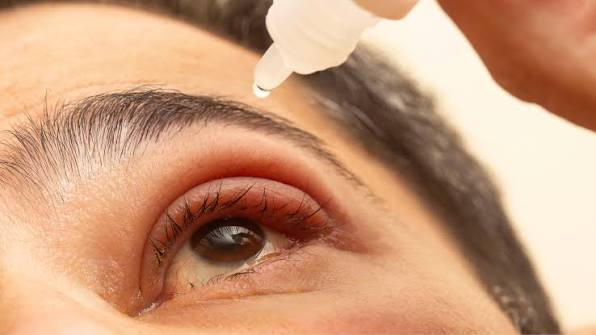
No-Touch Stye Care With a Simple Facial Spray
A stye can cause redness, swelling, tenderness, and discomfort around the eyelid. Although most styes improve naturally within several days, proper eyelid care can help maintain cleanliness and reduce irritation. A gentle facial spray designed for eyelid hygiene may offer a convenient option for keeping the surrounding skin clean without unnecessary touching. However, not every facial spray is suitable for the delicate eye area, and product ingredients matter. Understanding how a stye treatment spray works, when it may help, and which additional care methods support recovery can make managing a stye easier while protecting the sensitive skin around the eyes.
What Is a Stye and Why Does It Develop?
A stye is a small, painful lump that develops near the edge of an eyelid or inside the eyelid. It usually forms when an oil gland or eyelash follicle becomes blocked or infected, commonly involving Staphylococcus bacteria. Common symptoms include localized swelling, redness, tenderness, and a small bump that may contain pus. Poor eyelid hygiene, touching the eyes with unwashed hands, and certain eyelid conditions can increase the risk of developing a stye. Most styes are harmless and improve with basic care, although increasing pain, spreading redness, or changes in vision require medical attention.
How a Stye Treatment Spray May Help
A stye treatment spray may support eyelid hygiene by helping remove surface debris, oil, and other impurities around the affected area. Certain products contain hypochlorous acid, a substance used in some formulations designed for skin and eyelid cleansing. When appropriately formulated for periocular use, these products can help maintain a clean eyelid environment without requiring repeated rubbing. However, a spray does not necessarily eliminate an established infection or make a stye disappear faster. The suitability of any product depends on its ingredients, intended use, and safety instructions. Products specifically labeled for eyelid hygiene are preferable to ordinary facial mists.
Why No-Touch Eyelid Care Matters
Repeatedly touching, squeezing, or rubbing a stye can increase irritation and potentially spread bacteria to nearby skin. A no-touch approach reduces unnecessary contact with the inflamed area and supports gentle hygiene. A suitable eyelid cleansing spray may be convenient for people who find traditional cleansing methods uncomfortable, particularly when the eyelid feels tender. The spray should only be used according to its labeling, and direct spraying into the eye should be avoided unless the product specifically permits ocular use. Hands should still be washed before and after eyelid care, and shared towels, eye makeup, and contaminated applicators should be avoided during recovery.
How to Use an Eyelid Hygiene Spray Safely
Safe application starts with checking that the product is intended for use around the eyes. Facial sprays containing fragrance, alcohol, essential oils, or other irritating ingredients may not be suitable for sensitive eyelid skin. A product designed specifically for eyelid cleansing is generally a more appropriate option.
Follow these practical steps:
- Wash hands thoroughly with soap and water.
- Read the product label and check the recommended application method.
- Apply the spray as directed, keeping the nozzle and bottle tip from touching the eyelid or eyelashes.
- Avoid spraying directly into the eye unless the instructions explicitly allow it.
- Allow the area to dry or gently remove residue as directed by the manufacturer.
- Stop using the product if burning, increased redness, or irritation develops.
Consistent, gentle care is preferable to excessive cleansing. More frequent application does not necessarily improve results and may irritate delicate skin.
Warm Compresses Remain an Important Part of Stye Care
Although an eyelid spray may help with hygiene, a warm compress remains a common first-line home-care method for an uncomplicated stye. Gentle warmth can help soften material trapped within a blocked oil gland and encourage natural drainage. A clean washcloth soaked in comfortably warm water can be placed over the closed eyelid for approximately 10–15 minutes, several times daily. The cloth should not be hot enough to burn the skin. A fresh, clean cloth should be used each time, and pressure should be avoided. Combining appropriate eyelid hygiene with warm compresses may support comfort while the stye resolves naturally.
Ingredients to Consider in a Stye Care Spray
The ingredient list is important when selecting a product for the eye area. Formulations differ, and a product marketed for general facial cleansing is not automatically appropriate for eyelid use.
- Hypochlorous acid: Found in some eyelid hygiene products, this ingredient is used to help cleanse the skin around the eyes when formulated for that purpose.
- Fragrance-free ingredients: Fragrance-free products may reduce the risk of irritation in sensitive skin.
- Gentle cleansing agents: Products specifically designed for eyelid hygiene are intended to clean the surrounding area without harsh scrubbing.
- Eye-area safety labeling: Clear directions and explicit suitability for eyelid use help distinguish an appropriate product from a general facial mist.
Ingredient suitability depends on the complete formulation, concentration, and intended application. No single ingredient guarantees that a stye will heal faster, and antiseptic or antibiotic products should not be used near the eyes unless appropriate medical guidance supports their use.
Habits That May Help Prevent Future Styes
Good eyelid hygiene can reduce exposure to debris and bacteria, although it cannot prevent every stye. Removing eye makeup before sleeping, cleaning reusable makeup tools regularly, and replacing expired eye cosmetics are useful habits. Contact lenses should be handled with clean hands, and lens hygiene instructions should be followed carefully. Avoid sharing eye makeup, towels, or products that touch the eyelid. People with recurring styes or ongoing eyelid inflammation may benefit from an eye-care professional’s advice about an appropriate daily eyelid cleansing routine. Persistent irritation may indicate an underlying eyelid condition that requires more than a cleansing spray.
When to Seek Professional Eye Care
Most uncomplicated styes improve within about one to two weeks. Medical assessment is important when a lump becomes increasingly painful, swelling spreads beyond the eyelid, redness worsens, or the problem repeatedly returns. Fever, significant eye pain, pain with eye movement, or changes in vision require prompt medical attention. A lump that does not improve may be a chalazion or another eyelid condition rather than an active stye. An eye-care professional can determine the cause and recommend suitable treatment. Prescription antibiotics or drainage procedures may be needed in selected cases, but these treatments should be determined by a qualified clinician rather than attempted at home.
Understanding the Difference Between a Stye and a Chalazion
A stye commonly develops from an infected eyelash follicle or oil gland and is often painful and tender. A chalazion usually develops when an oil gland becomes blocked, producing a firmer lump that may cause less pain. Both conditions can cause eyelid swelling, but their management may differ. Warm compresses are commonly recommended for both, while a cleansing spray mainly supports surface hygiene and does not remove a blocked gland. Persistent, enlarging, or recurrent lumps should be assessed by an eye-care professional to confirm the diagnosis and rule out other causes.
The Bye Co. and Everyday Eyelid Care
The bye co. values practical information that helps support informed personal-care decisions. Understanding the role of gentle cleansing, suitable ingredients, and consistent hygiene can make an eyelid-care routine easier to manage. A stye treatment spray may offer a convenient way to support cleanliness when the formulation is specifically intended for use around the eyes, but it should complement rather than replace established care methods. Warm compresses, clean hands, and avoiding pressure on the affected eyelid remain important steps. Through accessible information about eye-area hygiene and responsible product selection, the bye co. can help readers make more confident decisions while recognizing when professional eye care is necessary.