



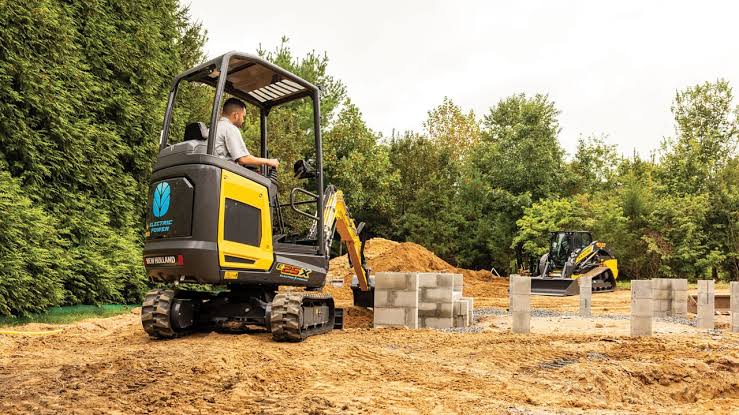
Electric Mini Excavator for Sale: Features Worth Comparing Before Purchase
Choosing excavation equipment can be challenging when different machines offer specifications, operating features, and configurations that appear similar at first glance. Buyers may focus on price or a single performance figure, yet practical differences in dimensions, digging capability, controls, battery arrangements, and attachment compatibility can affect how useful the equipment becomes after purchase. A systematic comparison allows contractors to identify the characteristics that genuinely matter to their work.
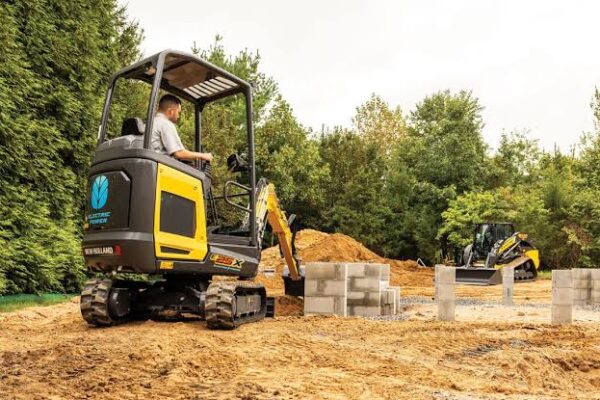
When evaluating an electric mini excavator for sale, buyers should compare the machine’s features against their expected applications rather than simply selecting the model with the largest specification values. The right equipment should provide suitable performance, manageable operating requirements, appropriate access dimensions, and dependable support. Reviewing these features individually can help make the purchasing process more objective.
Compare Overall Machine Dimensions
Machine dimensions should be among the first specifications examined. Overall width, height, length, operating weight, and turning characteristics influence where the excavator can be used and how it can be transported.
Contractors working in residential areas or restricted sites may need to pass through narrow entrances or manoeuvre around existing structures. A machine that fits through an entrance may still require additional space for turning, positioning, and operating its boom.
Buyers should compare the dimensions in the actual working configuration and confirm any relevant clearance requirements. They should also consider whether the machine can be delivered safely using the available transport arrangements.
Review Digging Specifications
Digging depth, reach, digging force, and bucket capacity provide information about the machine’s excavation capability. Each specification should be assessed according to the planned work.
Digging depth is important when excavation involves trenches or foundation preparation. Reach affects how far the machine can work from its position, while bucket capacity influences the amount of material moved during each cycle.
Contractors should compare these specifications with their project requirements. A machine that provides adequate capability for routine work may be more suitable than one with greater capacity that is difficult to access or unnecessarily costly.
Examine Battery Capacity and Operating Duration
Battery specifications are central to evaluating electric equipment. Buyers should review battery capacity, the manufacturer’s stated operating information, charging duration, and any guidance about expected use.
Operating duration may vary according to digging intensity, soil conditions, attachments, temperature, terrain, and operator habits. Buyers should therefore ask how the machine is expected to perform under conditions similar to their own.
The available charging arrangements should also be considered. A battery specification is useful only when the machine can be charged appropriately within the company’s operating schedule.
Assess Controls and Operator Features
The operator’s experience can influence machine efficiency and ease of use. Buyers should examine the control layout, visibility, seating, entry and exit arrangements, display information, and access to commonly used functions.
Features such as operating mode selection, indicators, safety systems, and control adjustments should be understood before purchase. Operators should be able to identify relevant warnings and know how to respond to them.
A demonstration can help reveal whether the machine feels suitable for the intended tasks. Companies should consider feedback from the people who will operate the equipment regularly.
Check Attachment Compatibility
Attachments can increase the range of tasks a mini excavator performs. Depending on the model and application, contractors may consider different bucket configurations or other compatible tools.
Buyers should verify attachment compatibility, mounting arrangements, machine capacity, and any relevant hydraulic or electrical requirements. They should not assume that an attachment designed for one excavator will automatically fit another.
The supplier should provide information about suitable attachments and operating limitations. Attachment selection should be based on actual work requirements.
Compare Safety and Visibility Arrangements
Safety features should be reviewed as part of the equipment evaluation. Buyers may consider visibility, warning systems, emergency controls, protective arrangements, and relevant operating information.
The suitability of safety features depends on the machine and the work environment. Contractors should ensure that equipment meets applicable requirements and that operators understand the procedures for safe operation.
Site-specific risk assessments remain necessary even when the machine includes safety features. Equipment selection should support, rather than replace, safe work planning.
Evaluate Serviceability and Warranty
Maintenance access, service intervals, warranty terms, replacement parts, and technical support can influence long-term ownership experience.
Buyers should ask how routine maintenance is performed and whether the supplier can provide relevant documentation. They should also clarify warranty coverage and procedures for obtaining assistance.
These considerations may be especially important for businesses that depend on equipment availability across several projects.
Conclusion
Comparing electric mini excavator features requires a broad assessment of dimensions, digging capability, battery performance, operator controls, attachment compatibility, safety, and support. Buyers should prioritise specifications that directly affect their work and evaluate machines using consistent criteria. A detailed comparison can help contractors avoid purchasing equipment that looks suitable on paper but does not meet practical job-site requirements.