



Solar Panel Generator: Exploring Clean Energy for Everyday Power Needs
Solar electricity has become a practical option for people who want to generate power close to where it will be used. It can support homes, outdoor activities, remote equipment, and selected commercial applications. A solar-based portable power arrangement is especially useful when conventional electricity is unavailable or when users want to store daytime generation for later use.
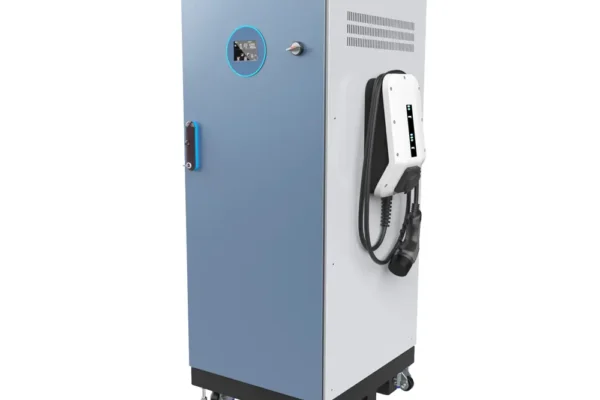
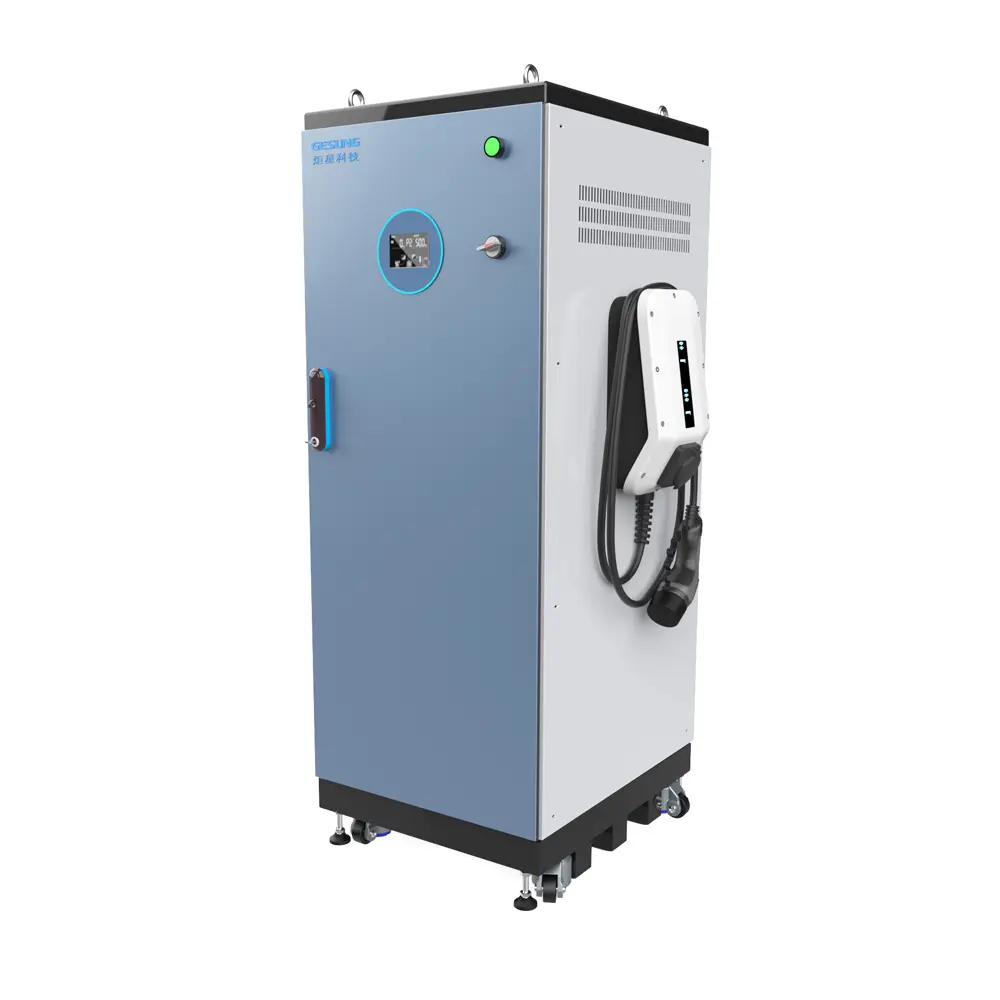
A Solar Panel Generator typically combines photovoltaic panels with a battery storage unit and power conversion electronics. The panels convert sunlight into direct current, the battery stores available energy, and an inverter supplies AC electricity to compatible devices. Some products integrate these components into one portable package, while others use separate panels, batteries, and controllers.
How Solar Energy Becomes Usable Power
Solar panels contain photovoltaic cells that generate electricity when exposed to sunlight. The output varies with the intensity of sunlight, panel angle, temperature, shading, and weather conditions.
A charge controller regulates the energy supplied to the battery. Many systems use maximum power point tracking to help the panels operate at an effective electrical point as conditions change. The stored energy can then be delivered through DC outputs or converted into AC power by an inverter.
This arrangement allows solar energy to be collected during daylight and used later, although the available energy depends on panel capacity, sunlight, battery size, and system losses.
1. A Renewable Source for Everyday Devices
A solar panel generator can supply electricity for compatible devices such as phones, laptops, lights, cameras, routers, and selected small appliances. Larger systems may support higher-demand equipment, subject to their inverter rating and battery capacity.
The key is to match the system to the intended load. A device’s running wattage determines how much power it needs while operating, while the duration of use determines the amount of energy required.
For example, a small device used for a short period may need little stored energy. A refrigerator or other continuously operating appliance can require a much larger battery and sufficient solar generation to replenish it.
2. Understanding Panel Output
A panel’s rated wattage is measured under standardized test conditions. Real-world output may be lower because of temperature, shading, dust, panel orientation, and changing sunlight.
A panel’s daily energy contribution is usually estimated using its rated power and the expected equivalent peak-sun hours, then adjusted for system losses. This is only an estimate; seasonal conditions and local weather can produce significant variation.
Users should also consider the panel’s open-circuit voltage, operating voltage, and current. These values must fall within the charge controller or power station’s permitted input range.
3. Battery Capacity and Storage
The battery determines how much solar energy can be stored for use after sunset or during periods of low sunlight. Capacity is commonly stated in watt-hours or kilowatt-hours.
A useful sizing exercise starts with a list of appliances, their power consumption, and the hours they are expected to operate. The total energy requirement can then be compared with the battery’s usable capacity.
Battery systems should not be selected by capacity alone. Maximum output power, charging limits, battery chemistry, temperature range, and cycle-life information also influence suitability.
4. Portability and Installation Options
Some solar generator packages are designed for mobile use, with foldable or separate panels and a compact battery unit. These can suit camping, fieldwork, temporary events, and emergency preparation.
Other systems use fixed panels and stationary batteries. They may be appropriate for homes, cabins, or facilities where solar generation is intended to form part of a longer-term energy arrangement.
Portable panels should be positioned securely and adjusted according to the manufacturer’s guidance. Avoid placing them where they can be damaged by vehicles, foot traffic, strong wind, or falling objects.
5. Environmental and Practical Considerations
Solar generation produces no exhaust at the point of operation, which can make it useful in locations where fuel-powered equipment is inconvenient. It can also reduce dependence on grid electricity when the system is sized and used appropriately.
However, solar equipment still has environmental impacts associated with manufacturing, transport, battery materials, and end-of-life disposal. Panels and batteries should be handled and recycled through suitable channels when they reach the end of their service life.
6. Choosing a Complete System
Compare panel wattage, battery capacity, inverter output, charging time, input limits, available ports, protection features, and warranty coverage. Check whether panels are included or must be purchased separately.
A solar system should be assessed as a complete arrangement rather than as a single product. The panels must be capable of supplying useful energy, the battery must store enough for the intended period, and the inverter must support the connected appliances.
Bringing Solar Power into Daily Use
A solar panel generator can provide useful electricity for everyday devices and selected backup needs. Its performance depends on the relationship between sunlight, panel capacity, battery storage, and load demand.
By estimating energy use and checking compatibility before purchase, users can choose a system that makes practical use of solar generation while avoiding unrealistic expectations about output and runtime.