

Nylon Washers: Properties, Applications, and Advantages in Mechanical Assembly
Washers are small but important components used in mechanical assemblies to distribute loads, protect contact surfaces, and support secure fastening. Although they may appear simple, choosing the right washer material can influence equipment durability, corrosion resistance, and overall assembly performance. Nylon washers are widely used in applications where lightweight construction, electrical insulation, and resistance to moisture are important considerations.
Selecting a suitable Nylon Washer can help protect sensitive surfaces, reduce direct contact between dissimilar materials, and support reliable fastening in various industrial and commercial environments. Available in different sizes, thicknesses, and configurations, nylon washers can accommodate a wide range of assembly requirements. Understanding their properties and limitations makes it easier to determine where they offer practical advantages over conventional metal alternatives.
What Is a Nylon Washer?
A nylon washer is a flat or specially shaped component manufactured from nylon, an engineering thermoplastic known for its strength, toughness, and abrasion resistance. It is typically installed between a fastener and a connected surface or between two assembled components.
Unlike metal washers, nylon washers are nonmetallic and electrically insulating. They are also resistant to rust and can provide a protective barrier between contacting surfaces.
Common characteristics include:
- Lightweight construction.
- Electrical insulation.
- Resistance to rust and corrosion.
- Good abrasion resistance.
- Low friction characteristics in suitable applications.
- Resistance to many oils and chemicals, depending on the nylon grade.
- Availability in different dimensions and shapes.
Their performance depends on the specific nylon formulation, operating temperature, applied pressure, moisture exposure, and chemical environment.
Key Properties of Nylon Washers
1. Lightweight Construction
Nylon is considerably lighter than many commonly used metals. This makes nylon washers useful in assemblies where reducing overall component weight is important.
In products containing numerous fasteners, replacing suitable metal washers with nylon alternatives may help reduce total assembly weight without significantly complicating installation.
This advantage is particularly relevant to electronics, appliances, automotive components, and lightweight machinery.
2. Electrical Insulation
One of the most valuable properties of nylon washers is their ability to resist electrical current flow under appropriate conditions.
They can help separate conductive components, reduce the risk of unintended electrical contact, and protect certain sensitive assemblies.
Common applications include:
- Electrical control panels.
- Electronic equipment housings.
- Circuit assemblies.
- Electrical enclosures.
- Insulated fastening systems.
Nylon washers should not automatically be treated as certified electrical safety barriers. Their dielectric performance depends on material grade, thickness, moisture exposure, voltage, and the relevant equipment standards.
3. Corrosion and Moisture Resistance
Metal washers may corrode when exposed to moisture or aggressive environments, potentially affecting the surrounding assembly.
Nylon does not rust, making it suitable for applications where corrosion resistance is important. It can also tolerate exposure to various environmental conditions.
However, nylon absorbs some moisture, and this can influence its dimensions and mechanical properties. Buyers should consider the operating environment when selecting a washer for precision applications.
4. Surface Protection
Nylon washers provide a relatively soft contact surface compared with many metal alternatives. When installed correctly, they can help prevent scratches, dents, and other surface damage caused by direct contact with metal fasteners.
This is useful when assembling painted panels, plastic housings, coated surfaces, and other components that require additional protection.
5. Friction and Wear Characteristics
Nylon has favorable friction and wear characteristics in many applications. A nylon washer can help reduce friction between selected contacting surfaces and provide a degree of cushioning.
Its suitability depends on contact pressure, movement, temperature, and the materials involved. For applications involving continuous rotation or significant sliding movement, engineers should evaluate heat generation and wear carefully.
Common Applications of Nylon Washers
Nylon washers are used across different industries because they combine insulation, surface protection, and lightweight construction.
| Industry | Typical Applications |
|---|---|
| Electronics | Insulating spacers and component fastening |
| Automotive | Selected interior assemblies and electrical components |
| Electrical equipment | Insulating washers in panels and enclosures |
| Appliances | Fastening and surface protection |
| Industrial machinery | Component separation and protective fastening |
| Furniture manufacturing | Surface protection and assembly support |
| Plumbing equipment | Selected nonmetallic fastening arrangements |
The correct washer type depends on the required dimensions, load, temperature, exposure conditions, and applicable product standards.
Advantages of Using Nylon Washers in Mechanical Assembly
Reduced Risk of Surface Damage
Metal fasteners can damage delicate surfaces when tightened directly against them. Nylon washers provide a protective layer that can help distribute contact pressure and reduce scratching.
This is especially useful for products with decorative finishes or components made from softer materials.
Improved Electrical Isolation
In assemblies containing conductive parts, nylon washers can help prevent direct electrical contact between selected components.
This can simplify certain insulation arrangements, provided the washer is correctly specified for the electrical requirements.
Resistance to Rust
Because nylon is nonmetallic, it does not develop rust in the way conventional steel washers can. This makes it useful in applications where moisture exposure is a concern.
Convenient Installation
Nylon washers are generally easy to handle and install. Their lightweight construction can also make them convenient for assembly operations involving large numbers of small fasteners.
Design Flexibility
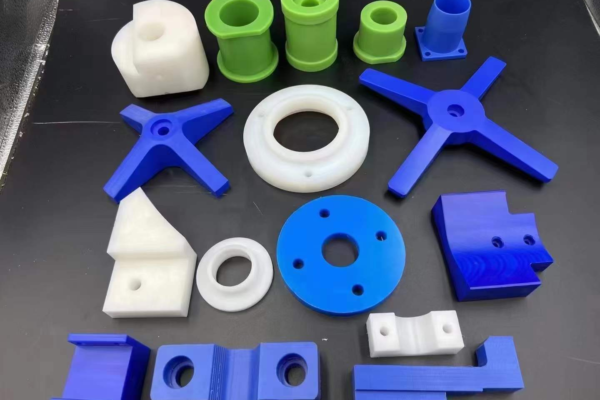
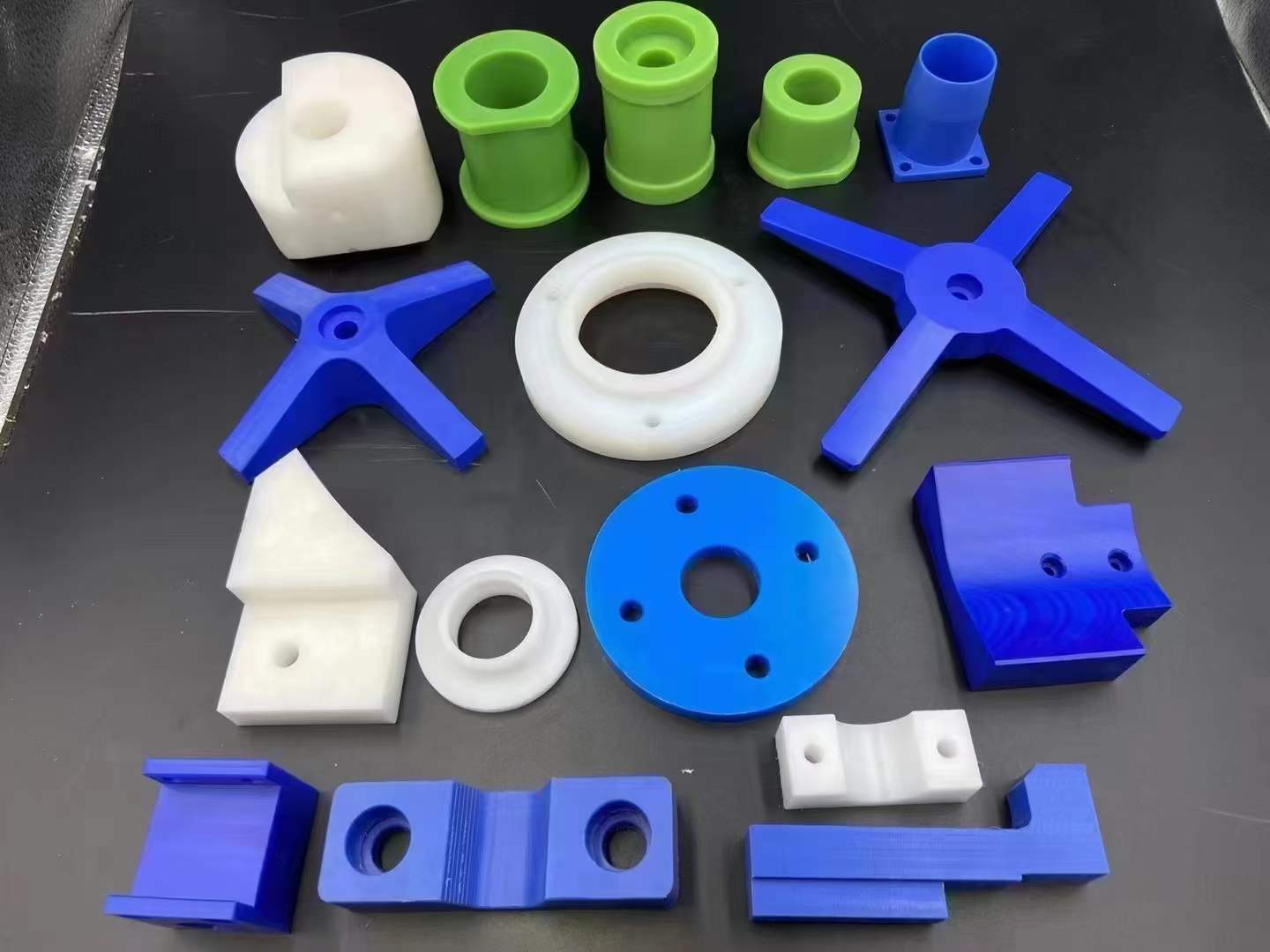
Nylon can be molded or machined into different shapes and dimensions. Manufacturers can produce standard flat washers as well as customized designs for specialized equipment.
Nylon Washers Compared with Metal Washers
Both nylon and metal washers serve important fastening functions, but their properties make them suitable for different applications.
| Factor | Nylon Washers | Metal Washers |
|---|---|---|
| Weight | Lightweight | Usually heavier |
| Electrical conductivity | Electrically insulating under suitable conditions | Conductive |
| Corrosion | Does not rust | Depends on metal and surface treatment |
| Surface protection | Can protect delicate surfaces | May scratch softer materials |
| Load capacity | Limited by polymer strength and deformation characteristics | Often suitable for higher loads |
| Temperature resistance | Limited by nylon grade | Generally higher |
| Moisture response | Can absorb moisture | Depends on metal |
| Typical use | Insulation, cushioning, and surface protection | High-load fastening and structural assemblies |
Nylon washers are often suitable where insulation, low weight, or surface protection is important. Metal washers are generally preferable when high clamping loads, elevated temperatures, or specific structural requirements dominate.
How to Choose the Right Nylon Washer
Selecting a suitable washer involves more than matching its inner and outer diameters. Several technical factors should be considered.
1. Dimensions and Thickness
Check the inner diameter, outer diameter, and thickness against the fastener and assembly specifications. Incorrect dimensions can result in poor fit, uneven pressure distribution, or interference with nearby components.
2. Load and Compression Requirements
Nylon can deform under sustained pressure, particularly when exposed to elevated temperatures. Consider the expected clamping force and whether the washer must maintain its dimensions over time.
For high-load assemblies, confirm that the selected material and washer geometry meet the required compression and strength specifications.
3. Operating Temperature
Different nylon grades have different temperature limits. Heat can reduce stiffness and affect dimensional stability.
Always consult technical data for the specific material grade before using nylon washers near motors, heaters, or other heat-generating equipment.
4. Chemical Compatibility
Nylon resists many common substances, but it is not compatible with every chemical. Certain solvents and aggressive chemicals may cause swelling, weakening, or other material changes.
Check compatibility with all substances the washer may encounter during normal operation and cleaning.
5. Electrical Requirements
For electrical applications, verify dielectric properties, material thickness, and relevant certification requirements. A general-purpose nylon washer may not satisfy the requirements of a safety-critical electrical assembly.
6. Manufacturing Tolerances
Precision assemblies may require tight dimensional tolerances. Confirm that the manufacturer can consistently produce the required inner diameter, outer diameter, thickness, and flatness.
Manufacturing Quality and Customization
The quality of a nylon washer depends on both material selection and manufacturing precision. Poorly finished edges, inconsistent thickness, or inaccurate dimensions can affect assembly performance.
When evaluating a supplier, consider the following:
- Material grade and technical specifications.
- Dimensional accuracy and tolerance control.
- Surface finish and edge quality.
- Production consistency.
- Availability of standard sizes.
- Custom manufacturing capabilities.
- Inspection and quality assurance procedures.
Injection molding may be suitable for high-volume production, while machining can be useful for prototypes, specialized dimensions, and lower-volume requirements. The appropriate process depends on design complexity, quantity, and required precision.
Maintenance and Inspection Considerations
Nylon washers generally require little maintenance, but periodic inspection can help identify problems in demanding applications.
Recommended practices include:
- Check for cracking, deformation, or discoloration.
- Inspect washers exposed to high temperatures or chemicals.
- Confirm that fasteners remain properly tightened.
- Replace damaged or permanently deformed washers.
- Check for moisture-related dimensional changes in precision assemblies.
- Follow manufacturer recommendations for cleaning and replacement.
In assemblies exposed to vibration or repeated loading, inspection intervals should reflect the operating conditions and the consequences of component failure.
Conclusion
Nylon washers offer a practical combination of lightweight construction, electrical insulation, corrosion resistance, and surface protection. These properties make them useful in electronics, automotive components, electrical equipment, appliances, and selected industrial assemblies.
However, nylon washers are not universal replacements for metal washers. Their suitability depends on load, temperature, moisture exposure, chemical compatibility, and dimensional requirements. By selecting the appropriate material grade and size, and working with a manufacturer that maintains consistent quality standards, businesses can improve assembly reliability and protect valuable components.