






Why Your Next Business Opportunity Might Arrive Wrapped in Plastic
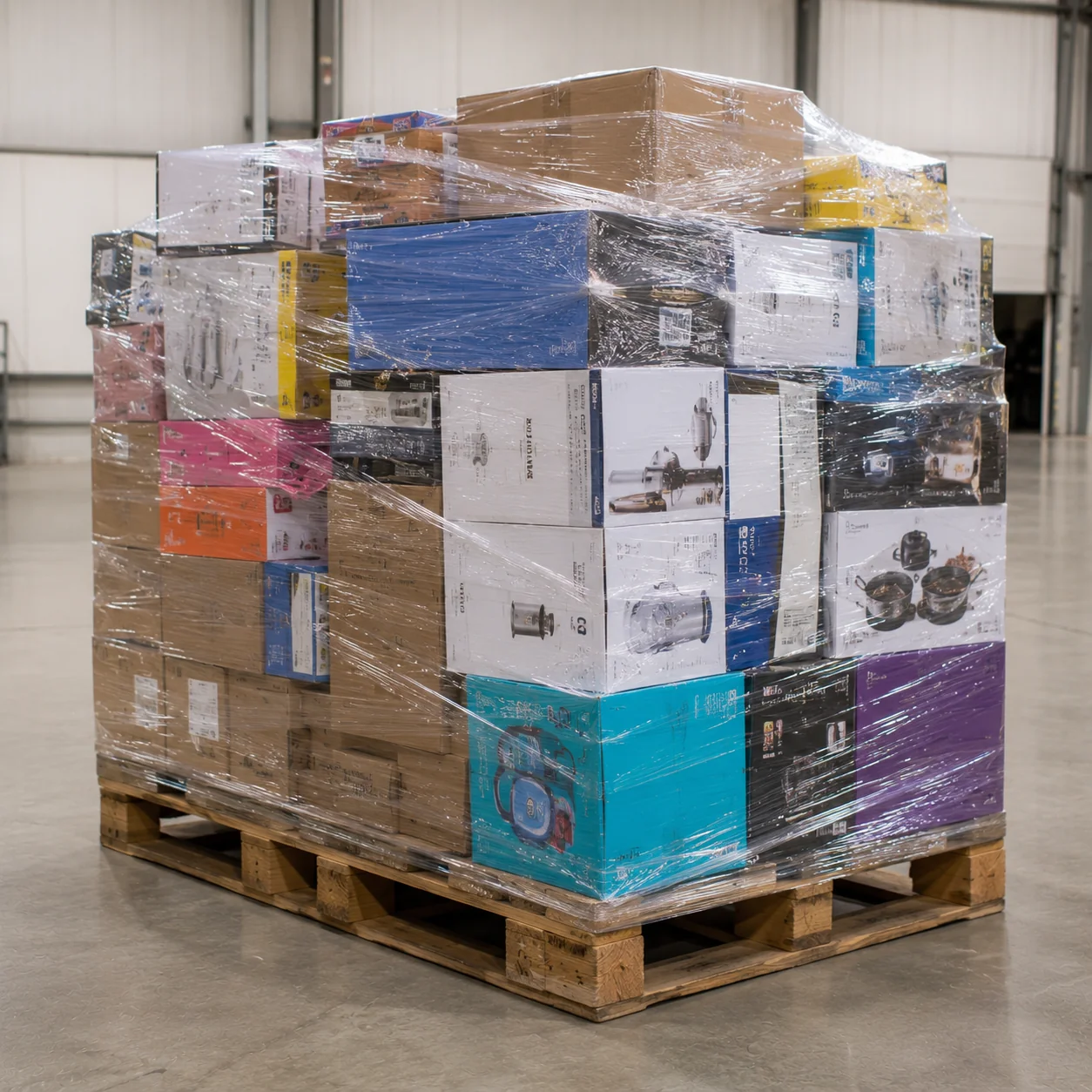
A wrapped warehouse load is easy to mistake for a ready-made business. It looks organised, arrives in one delivery and may contain a surprising mix of products. Yet the real opportunity is not the plastic wrap or the number of boxes. It lies in whether a trader can turn the contents into products that customers want, at prices that cover the full cost of handling them.
Consider a small online seller who knows one product category well but struggles to find a reliable supply. A mixed load could offer a way to test adjacent categories without committing to a long-term range. The difference depends on the seller’s understanding of customer demand, available workspace and ability to identify unsaleable items before investing further time.
Product descriptions, condition grades and any available manifests deserve close reading. A listed retail value does not tell the buyer what individual items will actually sell for. Returns, clearance stock and overstock may also bring different levels of uncertainty.
When examining wholesale pallets for sale, a trader should calculate an affordable landed cost rather than focusing on the advertised price alone. Delivery, unloading, storage and packaging all matter. Marketplace fees, possible returns and the labour involved in sorting should also be considered. If the business has no comfortable way to cover these costs while stock is moving slowly, the apparent discount may not be useful.
Physical space can be an unexpected limit. A home-based seller might have enough room for photographs and packing, yet nowhere suitable to hold a large delivery safely. Fragile goods need protection and stock records need to stay accurate. Starting with a realistic plan for receiving goods is often more productive than rushing to find somewhere to put them afterwards.
A good sorting system does not need to be complicated. A reseller can separate saleable goods, items needing further checks, incomplete products and stock that should not be sold. The categories should reflect the items involved. Electrical products and children’s goods, for example, may require additional safety attention.
There is also a market question. A load of products might be appealing to a general bargain shopper but unsuitable for the specialist audience a seller has built. Before purchasing, it helps to look at completed sales for comparable goods, noting condition and realistic prices. Customers may expect a specific model, accessory or warranty information that the available stock cannot provide.
Some of the strongest opportunities are discovered through small trials. One seller might learn that compact home accessories photograph quickly and attract repeat buyers. Another might realise bulky items absorb too much time and delivery expense. Without a record of selling prices and time spent, it is easy to remember only the most successful item and overlook the rest.
The work continues after a sale. Accurate photographs, plain condition descriptions, secure packaging and a fair process for customer questions protect the value of the trading relationship. Buyers do not care that their purchase came from a mixed load; they care that it matches the listing. A business reputation is built item by item, not pallet by pallet.
Searching for wholesale pallets for sale can therefore be a sourcing experiment rather than a shortcut. The seller still needs a market, a testing process and a way to measure profit after every expense. A delivery becomes a business opportunity when the contents fit those capabilities. If the numbers and practical checks do not work, choosing not to buy may be the strongest commercial decision.
Plastic wrap keeps goods together during transport. It does not hold a guaranteed margin, a customer base or an operating plan. Those have to be created through judgement, discipline and repeated learning. For a reseller prepared to do that work, wholesale pallets for sale may present a useful starting point. For everyone else, it remains what it was at the loading bay: a collection of stock.